Author: credopost.com

  • Framed in Iron: The Subtle Power of Doors and Windows That Truly Show Up

    Framed in Iron: The Subtle Power of Doors and Windows That Truly Show Up

    You know that one house you always admire on your evening walks? The one with the clean lines, the perfect landscaping, and that subtle but unmistakable sense of style? Odds are, it has something most homes don’t—ironwork. Not the over-the-top, medieval castle kind. The refined, beautifully balanced kind. Because when done right, iron doors and windows don’t just sit in the background. They define the space.

    Today, we’re taking a closer look at the quiet heroes of architectural character: rod iron windows, wrought iron double doors for sale, cheap wrought iron doors that blend durability with elegance and presence with affordability. These aren’t flashy upgrades, but they’re the ones that leave a lasting impression—and not just on guests, but on you every time you walk through them.


    The Allure of Iron: What’s in a Frame?

    Let’s clear something up right away. The phrase “rod iron” is technically a misspelling of “wrought iron”—but don’t worry, you’re not alone if you’ve been using it. Language evolves, and in the home design world, people often say “rod iron” when they’re referring to that strong, hand-worked look that’s synonymous with European architecture, classic elegance, and timeless curb appeal.

    Rod iron windows offer a distinctive edge in a sea of cookie-cutter frames. Whether set into stucco, brick, or wood siding, these windows instantly upgrade the look and feel of a home. They invite in sunlight while casting those romantic, grid-like shadows across the floor in the late afternoon. You’ve seen the photos. They’re real—and they’re incredibly functional, too.

    Iron windows don’t warp. They don’t swell with the weather. And when treated properly, they resist rust and corrosion for decades. That’s right—decades. Which makes them a pretty smart buy for anyone looking to combine style and practicality.


    Enter Like You Mean It: The Beauty of Iron Doors

    Now let’s talk about first impressions. Your front door? That’s it. That’s your home’s handshake. It’s the moment people decide—before they ever step inside—whether this is a place that feels cared for, curated, and maybe even a little inspired.

    That’s where wrought iron double doors come in. There’s something undeniably stately about walking up to a set of solid iron doors. Even if the design is clean and simple, they carry a sense of weight. A sense of permanence.

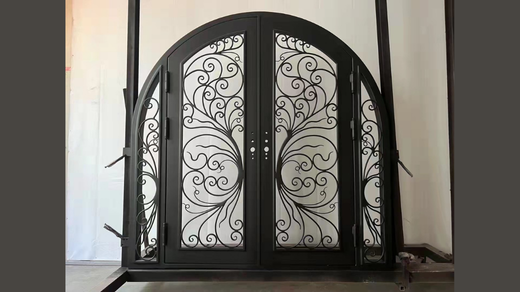
    And yet, they don’t have to feel bulky or closed-off. Many wrought iron doors are paired with large glass panels that keep the home feeling open and light-filled. They let in the morning glow and evening shadows, all while giving you the sense of security and structure that iron brings naturally.

    Don’t have a massive entryway? No problem. Manufacturers now offer scaled-down versions that maintain the charm without needing a mansion-sized porch. The key is proportion—and finding the right balance of metal and glass to match your space.


    Yes, Iron Can Be Affordable

    Here’s the part where most people pause: cost. And sure, custom hand-forged ironwork can cost a small fortune. But it doesn’t have to.

    Thanks to expanded demand, modern manufacturing, and online shopping, there are now more cheap wrought iron doors available than ever before. Don’t let the word “cheap” fool you—these doors are still sturdy, well-designed, and visually striking. They’re just made more efficiently and in standard sizes, which cuts down the cost without sacrificing the overall feel.

    And let’s not ignore the value. An iron door won’t need replacing in five years. It won’t peel or crack or warp. It’s a one-time purchase that’s going to last—and look good doing it.

    Many homeowners have found that installing a wrought iron door is one of the most cost-effective ways to boost curb appeal and increase home value, especially when paired with smart landscaping and thoughtful exterior lighting.


    Details That Make the Difference

    Thinking about adding some iron to your home? Here are a few tips to make it work seamlessly:

    • Match your finish. A matte black door pairs beautifully with modern builds, while bronze or antique iron tones warm up traditional or rustic exteriors.
    • Balance with texture. Iron looks incredible when set against soft or organic materials—stone, wood, greenery.
    • Layer your entry. Add sidelights or a transom window to your front door setup to let in more light and increase the feeling of space.
    • Go inside, too. Iron isn’t just for the exterior. Try an iron-framed interior door for a wine room, office, or even a master bathroom for a boutique-hotel feel.

    And if you’re going for windows, think about size and placement. A large iron window in a hallway or stairwell can transform a forgettable space into one with real presence.


    Wrapping Up: Strong Style That Lasts

    Iron’s appeal isn’t just about aesthetics. It’s about presence. When you open an iron door or look through an iron-framed window, you feel it. The solidness. The intention. It’s not temporary. It doesn’t fade into the background.

    And isn’t that what most of us want in our homes? Not just trends or throwaway styles—but something that lasts. Something that grounds us.

    Whether you’re browsing options for rod iron windows, wrought iron double doors for sale, cheap wrought iron doors, or all of the above, just know this: you’re not buying a product. You’re choosing a material that holds history, artistry, and permanence—all in one understated package.

    And trust me, it’s a decision you’ll admire every time you come home.

  • Bright Ideas & Solid Connections: The Real Role of Fort Walton Beach Electrical Contractors

    Bright Ideas & Solid Connections: The Real Role of Fort Walton Beach Electrical Contractors

    You know that satisfying moment when the lights flick on after a storm? Or when your new appliances work without a hitch the first time you plug them in? Behind those everyday comforts is a whole lot of behind-the-scenes skill—planning, wiring, safety checks, and a deep knowledge of local code and conditions. And the people who make it all happen? They’re not just any electricians. They’re the folks who know Fort Walton Beach like the back of their hand.

    From beachfront homes to bustling storefronts, reliable electrical work is one of those things that makes life just work. And when things go wrong—or when you’re building something new—you want more than someone who can connect a wire. You want someone who understands the bigger picture. That’s where electrical contractors Fort Walton Beach FL really shine.


    So, What Exactly Do Electrical Contractors Do?

    Let’s clear something up real quick. Not all electricians are contractors—but all contractors are electricians. What’s the difference?

    Your typical electrician might handle smaller jobs: fixing an outlet, swapping out a light fixture, installing a fan. But electrical contractors take on more complex projects. Think: new construction, major renovations, rewiring whole homes or commercial spaces. They manage teams, pull permits, coordinate with city inspectors, and ensure the job doesn’t just get done—but gets done safely, legally, and efficiently.

    That means when you’re doing more than just swapping out a switch plate, you want an experienced contractor steering the ship.


    Why Local Knowledge Isn’t Optional in Fort Walton Beach

    Let’s talk about the coast for a minute. Living in Fort Walton Beach is stunning—but salt air, humidity, and wild weather are hard on electrical systems. Wires corrode. Fixtures rust. Panels age faster than you’d expect. And storm season? That’s when surge protection becomes a whole lot more than just a nice extra.

    This is where local electricians have the edge. They’ve worked on homes just like yours. They know the quirks of older beach houses and the wiring needs of new smart homes. They understand the city’s permitting process, know the inspectors, and can tell you exactly which materials hold up to our climate.

    That kind of experience is priceless. It means fewer delays, better protection, and fewer return visits.


    From Condos to Coffee Shops: A Job for the Pros

    Whether you’re rewiring a vacation rental, upgrading your breaker panel, or opening a new business downtown, electrical work is never the place to cut corners.

    Maybe your project’s as simple as installing some energy-efficient lighting—or as complex as a complete electrical overhaul for a commercial kitchen. Either way, the right contractor will approach it with precision. They’ll walk through the job site, ask about your needs, make suggestions you didn’t even know you needed, and then execute with care.

    They won’t guess. They won’t cut corners. And they’ll make sure that when you plug something in, it works—every single time.


    The Importance of Hiring Licensed Professionals

    It’s tempting, we know. Your cousin’s friend says he’s done some wiring before. The guy on Facebook Marketplace is offering a “deal.” But here’s the truth: unlicensed electrical work is a gamble—and not the good kind.

    Licensed contractors aren’t just more skilled. They’re trained, tested, insured, and legally authorized to do the job. If something goes wrong with unlicensed work, you could be looking at massive safety risks, fines, or even problems with your home insurance.

    So, as boring as it sounds, always ask for credentials. A licensed contractor will be happy to show them. They know the value of doing things the right way.


    What to Expect When You Hire a Pro

    A good contractor won’t just show up with tools. They’ll show up with a plan. Here’s what you can typically expect:

    • A walk-through or consultation to understand your space and your needs
    • Clear, honest pricing—no vague “we’ll see when we get there” estimates
    • A detailed scope of work, including timeline and permit needs
    • Respectful, clean job sites and good communication throughout
    • Post-project follow-up to make sure everything’s working as it should

    And yeah, they’ll probably throw in a few pro tips along the way—because the good ones genuinely want your home or business to run better than before they arrived.


    When Should You Call an Electrical Contractor?

    Not sure if your job needs a contractor? Here are some common scenarios where a contractor’s experience makes a real difference:

    • Building a new home or business
    • Renovating a kitchen, bathroom, or basement
    • Upgrading an electrical panel
    • Installing a backup generator or EV charger
    • Adding outdoor lighting, security systems, or smart home tech
    • Dealing with recurring electrical issues—flickering lights, blown breakers, outlets that don’t work right

    Even if you’re not sure what the problem is, a contractor can help you figure it out—and fix it before it gets worse.


    Final Thought: Your Go-To for Peace of Mind

    Let’s be honest—electrical work isn’t something most people get excited about. You don’t throw a party for new wiring. But the truth is, quality electrical work makes everything else in your home or business possible. It powers your peace of mind.

    And when it’s done right, you probably won’t even think about it again. That’s the whole point.

    So next time you’re planning a project, facing an issue, or just want a professional set of eyes on an aging system, skip the guesswork. Call the electrical contractors Fort Walton Beach FL locals trust—because power is too important to leave to chance.

    They’re not just showing up with wire and pliers. They’re showing up with experience, professionalism, and a deep understanding of what your property really needs to stay safe, efficient, and ready for whatever comes next.

  • Timeless Strength with Style: Why Iron Entry Doors Still Set the Standard

    Timeless Strength with Style: Why Iron Entry Doors Still Set the Standard

    There’s something quietly powerful about a front door that doesn’t need to beg for attention. It just stands there—solid, graceful, ready to welcome you home and turn away the world at the same time. For many homeowners, that perfect blend of beauty and backbone lives in one material: iron.

    Whether you’re remodeling your exterior, upgrading for security, or finally ditching that weather-warped wooden slab, iron entry doors make a statement. And no, you don’t need to drop a fortune on a custom build to get one. From finely crafted decorative iron doors to deeply discounted closeout doors, the right entry is probably closer (and more affordable) than you think.

    Let’s talk about why these doors keep growing in popularity—and how you can find one that fits your style, your budget, and your home.


    Iron Isn’t Just for Castles Anymore

    First, let’s get one thing straight: iron doesn’t have to mean medieval or over-the-top gothic vibes. Sure, there’s a place for ornate scrollwork and dramatic arches—but today’s iron doors come in a wide variety of styles that can match just about any type of home.

    From sleek, minimalist panels with matte black frames and frosted glass to timeless arched double doors with hand-forged iron details, there’s something for every taste.

    And that’s what makes iron so versatile. Whether your home is mid-century modern, farmhouse rustic, or full-on Mediterranean villa, there’s an iron door that fits the look.


    The Practical Perks Behind the Beauty

    Looks matter, sure—but a front door has to perform, too. This is where iron really shines.

    Security? Few materials offer the same level of natural protection. An iron door isn’t just a visual deterrent—it’s physically tougher to force open. Combined with quality locks, it’s one of the best choices you can make for home safety.

    Durability? Iron doesn’t crack. It doesn’t warp. And when powder-coated or treated properly, it won’t rust either. While wood may soften and fiberglass may fade, iron keeps showing up year after year.

    Energy Efficiency? Believe it or not, many modern iron doors are insulated with thermal breaks and foam cores. Add in double- or triple-paned glass panels, and you’ve got an energy-efficient front that keeps your utility bills in check.

    Noise Reduction? Yep. Iron is dense, and that density helps mute street sounds better than many other materials.

    All of these benefits mean you’re not just buying a pretty face—you’re making a smart investment.


    Decorative Details That Set the Tone

    Now, if you want your front door to be more than just functional—to be an artistic element that defines the home—look no further than decorative iron doors. These designs can be subtle or bold, modern or traditional, but they all share one thing in common: craftsmanship.

    Maybe it’s delicate scrollwork that adds a bit of old-world elegance. Maybe it’s geometric cutouts paired with textured glass. Maybe it’s a custom crest or monogram welded right into the design.

    Whatever the detail, decorative touches turn a good door into a memorable one.

    The best part? These details don’t have to come with a custom-order price tag. Which brings us to…


    Your Best-Kept Secret: Closeout Doors

    Here’s where you get the best bang for your buck. Closeout doors—often found through local suppliers, warehouse outlets, or online retailers—offer premium-quality doors at a fraction of the price.

    Why the discount? It’s often because a style was discontinued, or a contractor ordered too many for a job. Some closeout doors are showroom models with minor imperfections (if any), while others are brand-new but part of a bulk liquidation.

    This is where savvy homeowners score big. You might find a handcrafted wrought iron double door for half the cost of a basic composite model at a big-box store. Seriously.

    Just make sure you double-check the specs—height, width, swing direction, jamb size. Closeout sales often don’t offer returns, so knowing your measurements is key.


    Install Like a Pro (or Hire One)

    Let’s not sugarcoat it: iron doors are heavy. Really heavy. That’s part of their appeal. But it also means you probably don’t want to tackle installation solo unless you’ve got experience and backup.

    A typical iron entry door can weigh 250–500 pounds or more, depending on design and glasswork. Installation often requires special tools, proper alignment, and secure anchoring. Most sellers offer installation services or referrals—and it’s worth every penny to make sure your door hangs, swings, and seals properly.


    A Few Styling Tips to Finish the Look

    So you’ve got your dream door. Now what?

    • Lighting matters. A well-placed sconce or pendant fixture can highlight the textures and lines of your new door beautifully.
    • Hardware upgrades help. Even a solid door looks better with the right handle set. Don’t skimp here—oil-rubbed bronze, matte black, or brushed nickel can elevate the whole look.
    • Think seasonal. Wreaths, planters, welcome mats—accessorize your entryway just like you would a living room or kitchen.
    • Keep it clean. Wipe down your door occasionally to keep it free of dust and debris. It’ll keep the finish looking sharp.

    Final Thoughts: The Door That Does It All

    It’s easy to overlook your front door. It’s just… there. Day in, day out. But when you replace it—when you upgrade to something bold, secure, and beautiful—you suddenly realize what you’ve been missing.

    Iron entry doors, decorative iron doors, closeout doors—these aren’t just keywords. They’re the categories where timeless design meets everyday function. And if you’re smart about it, they’re also where savings and style finally shake hands.

    So whether you’re starting fresh, flipping a house, or just tired of the same old creaky door you’ve had since 1998, now’s the time. Make your entrance count.

    Because the best doors don’t just open to your home—they open to possibility.

  • When Home Stops Running Smoothly: Why Quality Appliance Repair Matters More Than You Think

    When Home Stops Running Smoothly: Why Quality Appliance Repair Matters More Than You Think

    It’s funny, isn’t it? We hardly notice the hum of the refrigerator or the familiar clunk of the dryer door closing. These appliances are just there, doing their job day in and day out—until they’re not. Suddenly, that quiet hum turns into a weird rattle, the washer floods the laundry room, or the oven refuses to heat the night you planned a big family dinner. Life, as you know it, gets a bit… off-balance.

    This is where a good appliance repair service steps into the spotlight. And if you’re reading this in Birmingham, Alabama, you already know—finding a trustworthy repair service isn’t just about fixing a broken machine. It’s about getting life back on track.


    The Silent Heroes of Our Homes

    Appliances are the silent heroes of modern living. They wash, cool, cook, and dry without complaint. But when one fails? It’s a full-blown domestic disruption. Piles of laundry, spoiled groceries, meals you can’t cook—it’s not just inconvenient. It’s stress-inducing.

    That’s why the repair process matters. It’s not just about the fix—it’s about how fast, how fair, and how competent that fix is. That first call you make can mean the difference between same-day peace of mind and a week of washing dishes by hand.


    The Most Common Culprits (And What They’re Telling You)

    Appliances don’t just break out of nowhere—most of the time, they send little distress signals before giving up. The trick is recognizing the signs and responding before a minor issue snowballs into a major one. Here are the top offenders and their red flags:

    • Refrigerator: Not cooling properly? Hearing clicking or buzzing? Might be a failing compressor or thermostat.
    • Washing machine: Vibrating like it’s trying to escape the room? Could be unbalanced loads or worn-out shock absorbers.
    • Dryer: Taking forever to dry? You may have a clogged vent or a faulty heating element.
    • Dishwasher: Not draining or leaving spots? Check filters and spray arms—but don’t rule out a failing pump.
    • Oven/stove: Uneven heating or gas smells? These are jobs for a pro, no question.

    Ignoring these signs might save time today, but it’ll cost you tomorrow.


    Why DIY Isn’t Always the Answer

    We all love a good DIY win. Tightening a hinge here, cleaning a lint trap there—sure, go for it. But modern appliances are complex beasts. With smart tech, internal sensors, and delicate electronics, “winging it” can be risky.

    Unless you’ve got solid experience, opening up your refrigerator’s back panel or messing with a dryer’s wiring isn’t just unsafe—it could void warranties or make the issue worse.

    There’s value in calling a professional—not just for the fix, but for the expertise. They’ll know if your oven needs a new igniter or just a recalibration. They can spot issues the average person wouldn’t even know to look for.


    Choosing the Right Repair Technician

    Not all repair services are created equal. That guy with a wrench and a vague promise? Probably not the best bet. You want someone who respects your time, your budget, and your home.

    So what should you look for?

    • Experience: Look for a technician who knows a Whirlpool from a Samsung and doesn’t flinch at high-end brands.
    • Clear pricing: Transparent estimates before work begins. No surprises.
    • Fast service: Especially for essentials like fridges or washers.
    • Warranty on work: A good repair should come with a guarantee.
    • Local knowledge: Bonus points if they know the quirks of working in Birmingham’s older homes or newer builds.

    If you’re in Alabama and typing “appliance repair Birmingham AL” into Google, make sure the service you choose checks all these boxes.


    Repair or Replace?

    It’s the million-dollar question—okay, maybe more like the few-hundred-dollar question. Here’s a simple rule of thumb:

    • Repair if: The appliance is under 10 years old, parts are readily available, and the cost is less than half the price of a new one.
    • Replace if: It’s older, inefficient, or the repair costs keep stacking up.

    That said, there’s nuance. Sentimental attachment to that vintage oven? Go ahead and fix it. Love how your washer fits your laundry setup just right? Call in help before giving up on it.


    A Note on Maintenance: Prevention Really Is the Best Cure

    Here’s the unglamorous truth: most appliance breakdowns are avoidable. Regular maintenance—like cleaning condenser coils, checking hoses for leaks, and inspecting door seals—goes a long way.

    Some repair companies even offer annual check-ups. Think of it like a physical for your appliances. Catching a loose connection or small leak early can save you hundreds in the long run.

    And let’s be real: nobody wants to scramble for a repair service on Thanksgiving morning when the oven won’t preheat.


    Real Talk: Don’t Wait Until It’s an Emergency

    It’s easy to live with little issues—until they become big ones. That strange noise? That door that doesn’t quite close? That occasional warm spot in the fridge? Those are warnings. Heed them.

    Reliable appliance repair, appliance repair, appliance repair Birmingham AL isn’t just about emergencies. It’s about keeping your household running smoothly, your food cold, your clothes clean, and your stress levels low.

    You don’t have to wait for total failure. Be proactive. Get it checked. Fix the small stuff. Save your future self a whole lot of frustration.


    Final Thought

    Home is where the heart is—but it’s also where your appliances live. And when they’re not doing their job, everything feels off-kilter. Whether you’re a seasoned homeowner or new to managing the daily grind, one thing’s for sure: finding a trusted appliance repair service is worth every penny.

    So the next time your kitchen or laundry room throws a curveball, you’ll know what to do. Get help from someone who knows their stuff. Because peace of mind? That’s something no machine should take away.

  • Rust Stains, Clogged Faucets, and Murky Water: How to Make Peace with Your Home’s Water Once and For All

    Rust Stains, Clogged Faucets, and Murky Water: How to Make Peace with Your Home’s Water Once and For All

    You know the feeling—you turn on the faucet expecting clean, clear water… and instead, you get a splash of orange-tinted liquid that smells like metal. Or maybe your sparkling white laundry keeps coming out looking vaguely tan. Or perhaps you’ve just resigned yourself to the fact that your shower head is always going to be crusty no matter how often you scrub it. If any of this hits a little too close to home, it’s probably time to have a serious talk about what’s really in your water.

    Clean water is something most of us expect but don’t always get—especially in areas where groundwater contains high levels of minerals and metals. Fortunately, there are smart, practical ways to take back control, starting with the right filtration systems, a little maintenance, and maybe a fresh perspective.

    Let’s talk about the unsung heroes of better water: iron removal systems, water system maintenance, whole house water filters—and why now’s a great time to make them part of your daily life.


    That Rusty Hue? It’s Not Just Ugly—It’s Iron

    Iron in your water isn’t exactly rare, especially for homes on well systems. In small amounts, it’s harmless. But if your water’s consistently discolored, stains your sink, or tastes like pennies, you’ve likely got a higher concentration than you’d like.

    And here’s the kicker: iron can sneak through your plumbing in two forms—ferrous (dissolved) and ferric (particulate). You might not see it at first. But over time? It stains, builds up, and clogs everything it touches.

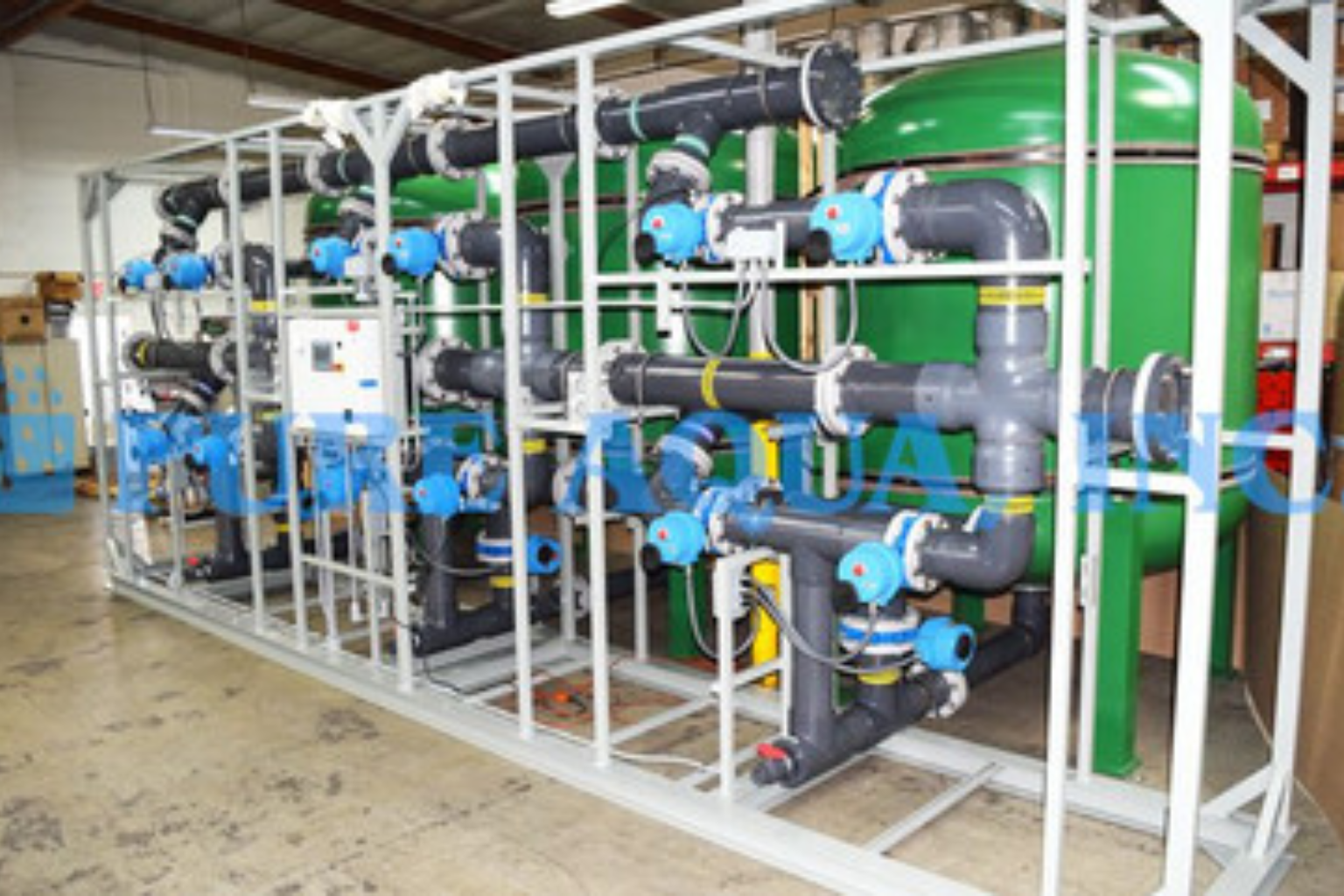
    Enter iron removal systems. These are designed specifically to eliminate iron before it makes its way into your faucets, appliances, or cup. Some systems use air injection to oxidize the iron so it can be filtered out; others rely on greensand or manganese dioxide media to trap it. The right system depends on your water’s unique chemistry, which is why a water test is always the first step.

    But here’s the bottom line: if your water leaves orange rings in your toilet or rust-colored flecks on your dishes, a dedicated iron filter could be the clean water reboot your home’s been begging for.


    Clean Starts at the Source: Whole House Water Filters

    Now, let’s say your water’s not just suffering from iron. Maybe you’re also dealing with sediment, chlorine taste, or a funky odor that makes you question if you really need to brush your teeth right now.

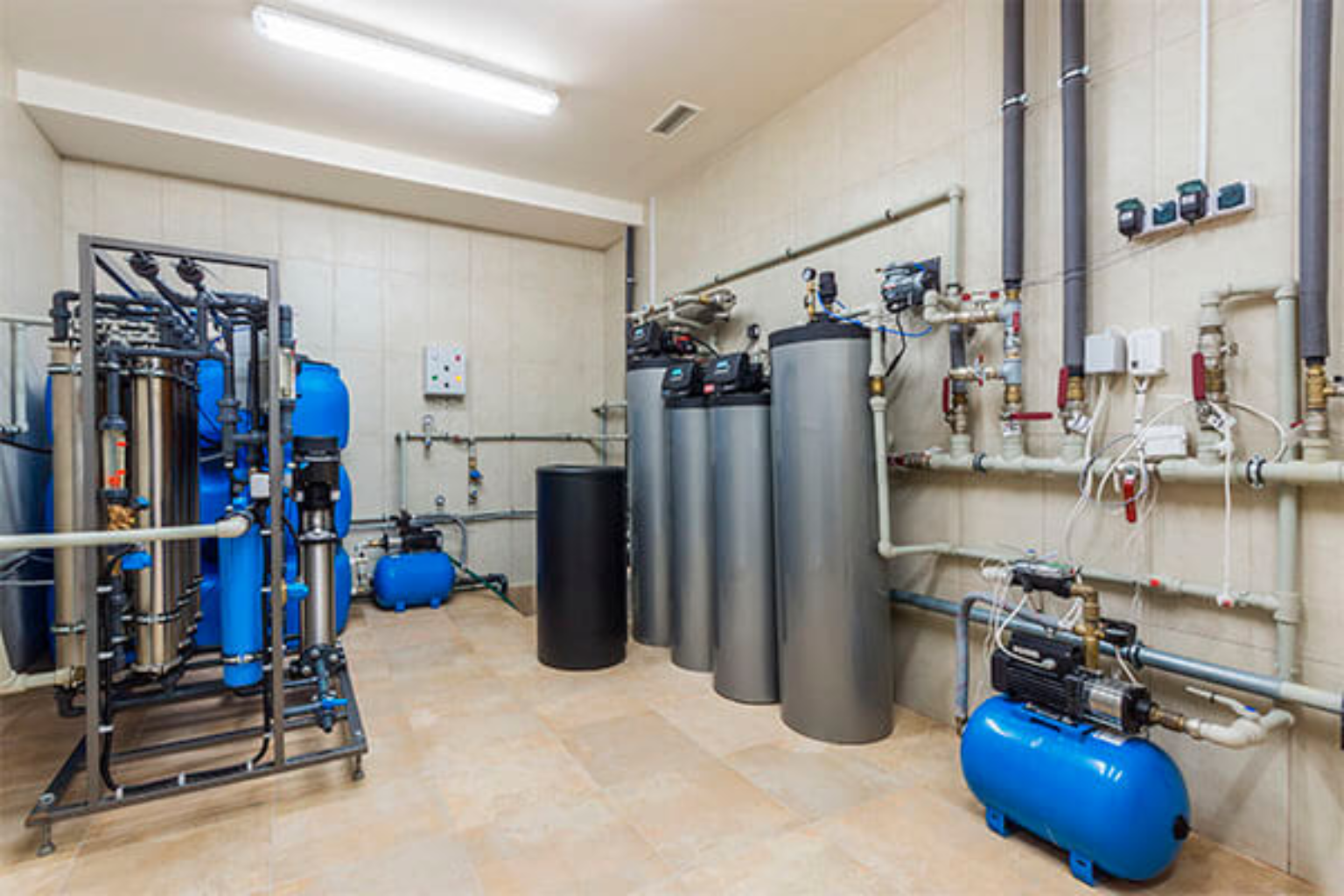
    That’s where whole house filters come in. These systems are installed at your water’s point of entry—so they filter every drop before it hits a faucet, showerhead, or appliance. Think of them as your home’s water bouncer, keeping the bad stuff out before it even has a chance to make trouble.

    There are all kinds of configurations. You can get single-stage sediment filters to catch sand and grit. Or multi-stage units that tackle iron, chlorine, heavy metals, and even bacteria. Want to keep your water tasting clean and chemical-free? There’s a filter for that. Want to stop scaling on your glassware? Yup, there’s one for that too.

    And the beauty of whole house systems is that they’re low-maintenance. Swap out a filter cartridge every few months, maybe check the pressure now and then, and you’re good to go. No under-sink spaghetti mess, no individual tap filters to fuss with.


    Don’t Forget This Part: Water System Maintenance

    You can have the best water treatment setup in the world, but if you don’t maintain it? You’re back at square one.

    Filters need replacing. Tanks need flushing. Softener resin wears out. And that sleek reverse osmosis system under the sink? Its membrane won’t last forever.

    Water system maintenance isn’t glamorous, but it’s crucial. Think of it like an oil change for your home’s hydration highway. A neglected system doesn’t just lose effectiveness—it can become a breeding ground for bacteria or clog up your plumbing with built-up gunk.

    Most manufacturers offer schedules for when to service each component, but here’s a good rule of thumb:

    • Sediment pre-filters: every 3–6 months
    • Carbon filters: every 6–12 months
    • RO membranes: every 2–3 years
    • Resin tanks: every 10–15 years, depending on hardness levels
    • Annual system checkups by a professional? Highly recommended

    And if you’re not a DIY-er, don’t sweat it. There are plenty of local water treatment pros who’ll do the dirty work for you.


    So, Is It Worth It?

    Let’s weigh it out.

    Sure, installing a system costs money. And yes, it takes a bit of effort to keep things running smoothly. But what do you get in return?

    • Cleaner, better-tasting water
    • Healthier skin and hair
    • Appliances that last longer and run more efficiently
    • Less scrubbing thanks to fewer stains and buildup
    • Peace of mind knowing exactly what’s in your water (or rather, what isn’t)

    Not to mention, once your water’s clean, you’ll notice the difference in little moments—the way your morning coffee tastes, how your clothes feel after a wash, or how your water heater stops making those weird groaning noises.


    Final Sip

    Look, water might not be the most exciting home improvement project out there. It’s not as sexy as a kitchen reno or a new backyard deck. But it’s arguably more important. Because clean water isn’t just about what’s in your glass—it’s in every rinse, every shower, every bite of pasta you cook.

    So if you’ve been living with cloudy water, funky smells, or mysterious stains, maybe it’s time to stop patching the symptoms and start fixing the root.

    With the right iron removal systems, water system maintenance, whole house water filters, and a little bit of planning, clean water can become something you no longer think about—because it’s just always there, flowing perfectly, like it should.

    And really, isn’t that what home is supposed to feel like?

  • When Medicine Meets the Law: The Unseen Impact of Medical Experts in Legal Cases

    When Medicine Meets the Law: The Unseen Impact of Medical Experts in Legal Cases

    It’s a moment no one ever wants to face. A loved one is harmed, or worse, after a hospital stay or routine procedure—and the question that keeps echoing is: Was this preventable?

    Or maybe you’re on the other side—part of a healthcare team being sued for something that felt, in the moment, like the best choice under pressure. But now, you’re trying to prove your actions met professional standards. Whatever side of the courtroom you’re on, when medical issues become legal ones, the truth isn’t always easy to find.

    That’s when you call in the experts. The ones who read between the vitals, decode the care, and help courts understand the why behind the what.

    What Does a Medical Expert Actually Do?

    You’ve seen them in legal dramas: someone in a white coat, calmly explaining a diagnosis to a jury. In real life, they’re often less dramatic—but way more vital.

    Medical experts bring clinical experience into the courtroom. They help everyone from attorneys to juries understand whether the care in question followed accepted medical standards. They’re not just reciting facts—they’re interpreting them. And in cases where stakes are high and timelines are tangled, that interpretation is everything.

    From evaluating whether a treatment was delayed, to assessing if a misdiagnosis was avoidable, these professionals put healthcare decisions under the microscope—and do it without bias.

    Nevada’s Need for Precision: Licensed Medical Experts That Matter

    In Nevada, where the legal system is seeing a rise in healthcare-related lawsuits—from cosmetic surgery mishaps in Las Vegas to delayed emergency care in rural counties—a Licensed medical expert NV is an invaluable asset.

    These experts are board-certified physicians, often still practicing, who step in to clarify if a healthcare provider met their duty of care. They might be reviewing patient charts one day and giving deposition testimony the next. Their job isn’t to sway a jury with emotion—it’s to explain what reasonable, competent care looks like under Nevada law and medical guidelines.

    And here’s the kicker: Nevada courts expect expert witnesses to be licensed in the state or have equivalent credentials. That means a licensed expert here isn’t just someone with a white coat—they’re someone who understands the local medical and legal landscape.

    They’ve seen how hospital staffing levels in Reno affect decision-making. They know the time pressures in Las Vegas ERs. And when they testify, they bring that nuanced perspective with them.

    Los Angeles: Where the Standard of Care Faces the Spotlight

    Now, head west to Los Angeles, where the pace of legal and medical life is intense. It’s a city where cutting-edge medicine collides with high-profile litigation, and where the definition of “standard of care” is constantly being examined under a microscope.

    That’s where a Medical standard of care expert Los Angeles, CA makes all the difference.

    These experts are often called in early in the legal process—before any lawsuits are filed. They help determine whether a provider’s actions fell below acceptable medical standards. That might mean missing a diagnosis that any reasonable doctor should have caught. Or prescribing a treatment that did more harm than good.

    But let’s be clear—it’s not about punishing doctors for tough calls. It’s about evaluating whether those calls made sense within the context of current medical knowledge, patient history, and institutional resources.

    LA’s standard of care experts bring a deep understanding of California’s healthcare regulations and regional expectations. Many of them have worked in hospitals like Cedars-Sinai or UCLA Medical Center. When they speak, they carry the authority of not just knowing the rulebook—but having played by it themselves.

    San Diego’s Voice of Reason: Testifying Medical Experts with Real Impact

    In San Diego, the cases may be less flashy, but they’re no less important. A botched surgery at a community hospital. A delayed response in a long-term care facility. A medication error in a busy clinic.

    These are the kinds of cases that depend heavily on the clear, composed input of a Testifying medical expert San Diego, CA.

    These experts are often asked to appear in court and explain their findings. And that’s not always easy. They may be grilled by opposing counsel. Their words may influence the entire case. But the best ones stay calm, focused, and clear—even when the questions get tough.

    They’re not there to take sides. They’re there to give the court an anchor. Something solid to build on when everything else feels like a swirl of legal jargon and clinical chaos.

    And here’s one bolded takeaway for anyone navigating these waters: Whether you’re relying on a Licensed medical expert NV, Medical standard of care expert Los Angeles, CA, Testifying medical expert San Diego, CA, what you’re really asking for is someone who can turn medicine into meaning—and help justice find its way through complexity.

    It’s Not Just About Testimony—It’s About Trust

    What sets a great medical expert apart isn’t just knowledge. It’s credibility. It’s the ability to say, “This care met the standard,” or, “This was a serious deviation,” and have everyone in the room believe them.

    That kind of trust is earned through decades of practice, a spotless record, and the ability to explain complex medical situations in plain language.

    And trust me—when a jury hears an honest, level-headed medical expert break it down like they would for a patient in an exam room? It sticks.

    Final Thoughts: Where Medicine and Justice Intersect

    Legal cases involving healthcare are tough. They’re filled with emotion, technical detail, and lives that have been turned upside down. But they’re also moments where the truth matters more than anything.

    Medical expert witnesses aren’t just part of the process—they are the compass that helps everyone in the room navigate the storm. From Nevada’s high-pressure cases to Los Angeles’s legal spotlight to San Diego’s patient-centered disputes, these professionals play a quietly powerful role in getting it right.

    Because at the end of the day, justice doesn’t need a diagnosis. It needs someone who can explain one.

  • Stone Cold Beautiful: Choosing the Perfect Countertop for Your Real-Life Kitchen

    Stone Cold Beautiful: Choosing the Perfect Countertop for Your Real-Life Kitchen

    Let’s be honest—kitchen countertops do a whole lot more than just sit there. They hold hot pans, spilled coffee, knife nicks, and the occasional late-night rant with a glass of wine in hand. They’re where birthday cakes are frosted, homework is scattered, and Sunday brunch gets messy. So yeah, choosing the right one matters. A lot.

    It’s not just about looks (although, hey, we all want a little eye candy). It’s about durability. Personality. Budget. The way you live. So if you’ve been debating between granite countertops, custom countertops, quartz countertops or some beautiful combo of all three, let’s dig into what actually makes sense—for your kitchen, your lifestyle, and your sanity.


    The Granite Classic: Still a Winner

    Granite’s been around the countertop scene for what feels like forever, and with good reason. It’s timeless, tough, and beautifully unpredictable.

    No two slabs are ever alike. That means the counter in your kitchen? It’s one-of-a-kind—literally. Swirls, speckles, earthy veins… it’s all carved by nature, and somehow it never goes out of style.

    Practical perks? It’s heat-resistant (go ahead, set that pan down). When sealed properly, it’s stain-resistant, too. It’s perfect for folks who cook a lot or want something that can handle the day-to-day without babying it too much.

    Drawbacks? It does require sealing (think once a year). And because it’s natural stone, some colors can be more porous than others. But for many homeowners, that just adds to the charm. It’s like good leather or aged wood—it wears in, not out.


    Quartz: Sleek, Smart, and Super Popular

    Quartz is like that dependable friend who always shows up dressed sharp, on time, and totally unbothered by drama. It’s engineered—meaning it’s made from a mix of crushed stone and resin—and that combo makes it incredibly durable and low-maintenance.

    It doesn’t need sealing. It laughs in the face of stains. It comes in every color and pattern under the sun, including some pretty spot-on dupes for marble or granite (without the fuss).

    If you like consistency in design—clean lines, uniform patterning, a polished or matte finish that looks “just so”—quartz is your hero. It’s perfect for modern kitchens, busy households, or anyone who wants high-end style without high-maintenance care.

    One caveat: while it’s heat-resistant, it’s not as heat-tough as granite. Use trivets or hot pads just to be safe. Also, it can sometimes feel a little… too perfect? If you love wild stone variation, it might feel a bit controlled.


    Custom Means Freedom (and Maybe a Bit of Fun)

    Now, maybe you’re the type who wants something completely tailored to your space. Or you have a funky kitchen layout that stock counters just won’t cover. Maybe you’re mixing materials—quartz on the island, butcher block for the coffee bar, and granite by the cooktop. That’s when custom countertops become your best friend.

    Custom work opens the floodgates of possibility. Want a waterfall edge that wraps to the floor? Hidden outlets? A seamless, integrated sink? All possible.

    This route can also let you be creative with finishes, edge profiles, and mixing stone types for both function and aesthetic. It’s the go-to for designers, renovators, or anyone who wants their kitchen to be a little less “off the shelf” and a little more you.

    Keep in mind: customization does come with a higher price tag, and a longer lead time. But when the final product fits like a glove and elevates your kitchen in ways you never imagined? Worth every penny.


    So… Which One Is Right for You?

    Let’s simplify.

    • If you love natural beauty, don’t mind a bit of upkeep, and want something that ages with character: Granite is your jam.
    • If you want a sleek, low-maintenance surface with endless design flexibility: Quartz is calling your name.
    • If you want it your way, and you’re ready to make a long-term investment: Go custom.

    Still can’t decide? That’s normal. Sometimes the best route is to mix materials. Use quartz where you prep and granite where you bake. Or maybe add a custom butcher block section for contrast and warmth.


    Don’t Forget the Real-Life Test

    Whatever surface you choose, test it. Touch it. Feel it. Picture your life on it.

    Are you wiping peanut butter off it every morning? Pouring wine on it every evening? Kneading dough, lining up ingredients, watching your kid paint a volcano?

    Your countertop should support all of that. Life isn’t always tidy, so your kitchen shouldn’t be too precious to use.


    Final Thoughts (Because You’re Gonna Look at This Every Day)

    At the end of the day, this decision isn’t about following trends or impressing guests. It’s about waking up, walking into your kitchen, and loving what you see—and how it works for you.

    So whether you go with the raw, earthy beauty of granite countertops, the sleek smarts of quartz countertops, or the creative freedom of custom countertops, make the choice that fits your rhythm.

    Because your kitchen? It deserves more than just a good-looking counter.

    It deserves a counter that can handle your life—with style.

  • Good Water at Work: Why Clean, Filtered Water Matters More Than You Think

    Good Water at Work: Why Clean, Filtered Water Matters More Than You Think

    Let’s set the scene. It’s mid-morning at the office. You just sat through a slightly-too-long meeting, your coffee’s wearing off, and all you want is a tall, refreshing glass of water. You head to the kitchen, turn on the tap—and hesitate. Does it taste weird again? Is that chlorine? You grab a bottle from the fridge instead, sighing at the waste and cost.

    Sound familiar?

    It’s a small moment, sure. But multiply that hesitation by every employee, every day, and suddenly you’ve got a bigger issue on your hands. Water is one of those background essentials at work—easy to overlook but impossible to live without. And that’s exactly why office water filtration units, high-capacity water filters, commercial water filter installation are becoming staples in modern, health-conscious workplaces.


    Why Water Quality in the Office Isn’t Just “Nice to Have”

    We talk a lot about productivity hacks and ergonomic desks, but hydration? That’s ground zero for employee health, energy, and focus. Dehydration—even mild—can lead to fatigue, brain fog, and headaches. But if the water tastes off or smells strange? People drink less. They reach for sodas or sugary alternatives instead.

    Clean, great-tasting water encourages better habits. It makes coffee taste better. It supports wellness goals. And yeah—it just makes the office feel more professional and cared-for.

    Think about it: would you feel good offering a client a glass of tap water that smells like pool chemicals? Exactly.


    Breaking Down the Options: From Simple Units to Whole-Building Filtration

    Every office is different. A ten-person startup isn’t going to need the same setup as a multi-floor corporate building. Luckily, water filtration has evolved to fit just about every space and budget.

    1. Office Water Filtration Units

    These are compact, sleek, and made for daily use. Usually hooked directly to your existing water line, they remove chlorine, sediment, and weird tastes through carbon and multi-stage filters.

    Ideal for:

    • Breakrooms
    • Shared kitchens
    • Conference areas
    • Client-facing spaces

    They often come in bottleless designs, which means no more storing those awkward 5-gallon jugs or waiting for delivery trucks to restock your water cooler.

    2. High-Capacity Water Filters

    Bigger office? Lots of foot traffic? If your team is constantly filling bottles, brewing coffee, and washing dishes, smaller systems may not cut it.

    High-capacity systems are built to handle volume—without sacrificing water pressure or performance. They last longer between filter changes and are more efficient over time.

    You’ll usually find them in:

    • Medical clinics
    • Gyms and spas
    • Schools and universities
    • Large corporate campuses

    These are designed to run all day, every day, and keep water quality consistent even during peak hours.


    So… What About Installation?

    Here’s the part where most office managers hesitate: “Do we really want to deal with installing a water system?”

    Honestly? It’s not as intimidating as it sounds—especially when you work with a provider who specializes in commercial water filter installation. A good team won’t just install the system and disappear. They’ll start by testing your water (so you’re not guessing what to filter), help you pick the right unit, and handle all the plumbing logistics.

    No DIY, no duct tape, no “hope this works.” Just clean water that flows reliably, day after day.

    And maintenance? Most systems have quick-change filters and simple schedules, so it won’t disrupt your IT guy’s already-too-long to-do list.


    Real Benefits That Add Up

    Installing a filtration system is one of those upgrades that quietly improves everything:

    • Boosts hydration and focus: Employees who drink more water perform better—fact.
    • Cuts back on plastic waste: No more bottled water means fewer recycling bins and a greener footprint.
    • Saves money in the long run: Bottled delivery gets expensive. So do clogged pipes from hard water. Filtration saves on both.
    • Elevates client experience: Offering filtered water in meetings? It’s a small touch that says a lot.
    • Protects appliances: Clean water means longer life for your coffee machines, ice makers, and kettles.

    What About Hard Water?

    If your office is in a hard water zone (and many are), you’re dealing with invisible trouble. Calcium and magnesium buildup can wreak havoc on everything from coffee makers to dishwashers. It’s also why faucets get crusty and water spots never seem to go away.

    In that case, you may want to add a water softener to the mix—or choose a filtration unit that includes a softening stage. Some modern office systems even combine both in a single unit, so you get softened and purified water in one go.


    No-Frills Advice: How to Choose the Right Setup

    Not sure where to start? Here’s a simple guide:

    • Small office (under 20 people): Go for a countertop or wall-mounted office filtration unit. Bottleless is best.
    • Mid-size office (20–100 people): Choose a high-capacity under-sink system or freestanding multi-stage unit.
    • Large office or multi-floor building: Work with a commercial installation team to build a scalable system that can serve multiple break areas, restrooms, and kitchens.

    And always—always—get your water tested first. It’s the easiest way to avoid buying the wrong system or overpaying for filters you don’t need.


    The Bottom Line: Clean Water Is a Business Essential

    Water is one of those things people only notice when it’s bad. When it smells off. When it tastes weird. When the coffee machine breaks again. But when it’s good? It fades into the background—in the best possible way.

    Clean, reliable water isn’t just a perk. It’s a foundation for health, sustainability, and day-to-day comfort in your workplace. Whether you’re a startup or a healthcare facility, investing in office water filtration units, high-capacity water filters, commercial water filter installation is a decision that pays off with every sip.

    Because great water makes for a great workplace. And your team deserves both.

  • The Quiet Confidence of Craft: Why Custom Doors and Windows Are Worth Every Thought

    The Quiet Confidence of Craft: Why Custom Doors and Windows Are Worth Every Thought

    There’s something quietly powerful about a door that doesn’t just close—it announces. Not loudly, not showily, but with presence. The kind you don’t even realize you’re noticing until you find yourself reaching out just to feel the texture of the wood. Or standing for an extra second, appreciating how the light from the window dances across the floor. That’s the beauty of thoughtful design. That’s the subtle luxury behind custom luxury doors, custom luxury windows, high-end door manufacturers.

    So often, when we talk about homes, the conversation drifts toward open-concept kitchens, spa bathrooms, and high-tech appliances. But the reality is, it’s the doors and windows that define how a home feels. They’re the frame for your views and the threshold between public and private. They influence mood, light, and rhythm. And when they’re crafted with care, they can change everything.


    First Impressions Start Here

    Think of the last truly memorable home you visited. Not the one with the biggest TV or the fanciest backsplash, but the one that felt good. Chances are, that impression began before you even stepped inside—probably with the front door.

    A beautifully designed door doesn’t scream for attention. It simply exists with intention. Maybe it’s a wide-set pivot door made from reclaimed walnut, or a timeless, arched entryway with wrought iron inlay. Either way, it tells you a story before you’ve even knocked.

    This isn’t about extravagance. It’s about harmony. A door or window designed to match the architecture, proportioned correctly, detailed thoughtfully—it sets the tone for what’s to come.


    The Value of Going Custom

    Let’s talk about the word “custom” for a minute. It’s tossed around a lot—sometimes carelessly—but in this context, it means one very important thing: made for you. Not pulled from a shelf, not trimmed to fit, not adjusted after the fact. Built. From scratch. With purpose.

    Custom doors and windows give you full control over:

    • Material: Want the richness of mahogany? The sleekness of blackened steel? The warmth of stained white oak? Your call.
    • Finish: Whether you’re after a hand-rubbed oil finish, a distressed look, or something modern and clean, the finish speaks volumes.
    • Hardware: Not just a handle, but a detail. Brushed bronze, matte black, antique brass—it’s jewelry for your doors and windows.
    • Glass: Clear, frosted, leaded, tinted. Light and privacy, balanced your way.
    • Shape and size: No more working within standard measurements. Want a 10-foot arched window that follows the pitch of your ceiling? It’s possible.

    Custom means freedom. And in that freedom, you get function and beauty—no compromises.


    Who’s Making This Stuff?

    Good question. The rise in demand for artisanal architecture has led to a resurgence in traditional craftsmanship—something that was at risk of being lost in the age of mass production.

    Today’s best high-end door manufacturers are often small to mid-sized companies led by people who live and breathe the work. These aren’t assembly lines. They’re workshops. The kind where real people pick out the lumber, lay the joinery, weld the frames, and run their hands across the final finish before it gets shipped.

    Some of them are based in design-forward cities like Los Angeles or New York. Others are tucked away in corners of the Midwest or the Pacific Northwest, where the work speaks louder than any marketing ever could.

    They collaborate with architects. They talk directly with homeowners. They show up on site to make sure things are just right. That kind of service, that kind of pride—it’s rare. And it’s worth seeking out.


    Windows That Change the Game

    Now, don’t sleep on windows. We’re not just talking about letting in sunlight here. Custom luxury windows redefine how your home interacts with the world outside.

    Want frameless corner windows that erase the boundary between indoors and out? Or oversized floor-to-ceiling panels that track open like magic? It’s all doable. And it’s not just aesthetics—performance matters too.

    Custom windows can include:

    • Thermal breaks for energy efficiency
    • Triple glazing for noise reduction
    • Integrated shades for clean, no-clutter privacy
    • Hidden screens that disappear when not in use

    Windows, when done right, are functional art. They move light through your space like nothing else. They shift your mood. They can even change your daily routine—ever noticed how much earlier you get up when the morning sun streams in just right?


    Why It’s Worth the Investment

    Sure, you could spend less. Stock options exist. And they’ll work. But “working” isn’t the same as elevating. Not the same as inspiring. Not the same as saying, every time you walk in, this feels like home.

    Custom doors and windows aren’t just about resale value (though they help). They’re about the moments you live in. The weight of the door when you come home tired. The warmth of the sun cutting through the kitchen window as you sip coffee. The silence behind a perfectly sealed pane when the city noise fades outside.

    These things matter.


    A Thoughtful Ending for a Thoughtful Space

    At the end of the day, your home should reflect you—not just in the color of the walls or the tile you chose for the bathroom floor, but in the details most people overlook. The doors they pass through. The windows they gaze out of.

    So take the time. Ask the questions. Work with people who listen. Invest not just in materials, but in meaning.

    Because when you choose custom luxury doors, custom luxury windows, high-end door manufacturers, you’re choosing more than a product. You’re choosing craftsmanship. You’re choosing feeling. You’re choosing to slow down and get it right.

  • When the Pipes Act Up: Why Carlsbad Plumbers Are Your First Line of Defense in a Home Emergency

    When the Pipes Act Up: Why Carlsbad Plumbers Are Your First Line of Defense in a Home Emergency

    You know the feeling—you’re about to start your day, coffee in hand, maybe halfway through brushing your teeth when the drain starts gurgling. Or worse, there’s water pooling around your feet in the shower, and you know for sure you didn’t run a bath. That’s the thing about plumbing problems: they show up uninvited and don’t care what time it is. And in those moments, when chaos is knocking on your pipes, having a trusted plumber is not just helpful—it’s essential.

    In Carlsbad, New Mexico, where homes range from charming older builds to modern desert oases, plumbing systems can vary wildly. That means you want someone who understands local layouts, knows the quirks of the water here, and—let’s be honest—can get to you before your laundry room turns into an indoor swimming pool.

    This is where Carlsbad plumbers earn their reputation: not just for fixing things, but for showing up when it counts.


    Plumbing in Carlsbad: It’s Not Just About Pipes

    Let’s be clear: plumbing isn’t glamorous. You’re not Instagramming a new sump pump. But it is foundational. Behind every steamy shower, smooth flush, or sparkling clean dish is a plumbing system working hard—and often silently—around the clock.

    But in a place like Carlsbad, plumbing comes with its own set of local challenges.

    For starters, there’s the hard water. It’s not just tough on your skin and hair—it wreaks havoc on your pipes and appliances, slowly building up mineral deposits that can clog fixtures and shorten the lifespan of your water heater. And then there’s the desert soil. It may look dry and harmless, but it can shift under your home in unpredictable ways, stressing buried pipes until they crack or collapse.

    That’s why hiring experienced NM plumbers who understand the unique issues of southeastern New Mexico is crucial. They don’t just bring tools—they bring context, know-how, and experience tailored to your zip code.


    More Than Repairs: What Good Plumbers Really Do

    Sure, everyone wants someone who can handle a clog or replace a faucet. But the best plumbers offer much more. They’re part detective, part problem-solver, and part trusted advisor when your water system goes haywire.

    Here’s what a reliable Carlsbad plumber can help you with:

    • Drain cleaning that actually clears the whole line (not just the first few feet)
    • Water heater repair and installation, including tankless systems
    • Pipe replacement for homes with aging infrastructure
    • Sewer line inspection with camera technology—no guesswork
    • Kitchen and bathroom remodel plumbing
    • Water softener systems, because, well… that hard water’s not going away
    • Emergency services, because plumbing disasters don’t take holidays

    A good plumber doesn’t just fix the leak—they figure out why it happened in the first place and make sure it doesn’t happen again.


    Why Local Knowledge Matters

    You can always call a big-name plumbing company from Albuquerque or El Paso. But will they know how to work with Carlsbad’s older homes? Will they understand what happens to water pressure during a windy New Mexico cold snap?

    Probably not.

    When you work with someone local, they know the quirks of your neighborhood. They’ve probably worked on your neighbor’s place. They know the soil, the water quality, the materials commonly used in your area’s homes. That kind of insider knowledge doesn’t come from a playbook—it comes from years of showing up, wrench in hand, ready to get things flowing again.

    And let’s face it, there’s something reassuring about having someone on your side who’s just a few blocks away.


    What Makes a Plumber the “Best”?

    So how do you find the best plumber for your needs without spending hours scrolling through reviews or chasing down referrals?

    Look for the basics, sure—licensed, insured, and experienced. But also look for the intangibles:

    • Do they call back quickly? Emergencies wait for no one.
    • Do they show up when they say they will? Trust is built on follow-through.
    • Do they explain what’s going on in plain language? You shouldn’t need a degree in engineering to understand your options.
    • Are they clean and respectful in your home? It matters.

    And check out their reputation in the community. Word travels fast in a place like Carlsbad, and a plumber who consistently delivers quality work will be well-known—ask around, you’ll hear the same few names come up again and again.


    Prevention Is Cheaper Than Panic

    Look, nobody enjoys calling a plumber. It usually means something’s gone sideways. But here’s a thought—what if you called before it hit crisis mode?

    A lot of major plumbing problems start with small signs: a tiny drip, slow drainage, fluctuating water temperatures. These might seem minor, but they often point to bigger issues brewing just out of sight.

    Regular plumbing checkups might not sound exciting, but they can save you thousands down the road—not to mention a huge headache.


    Final Thoughts: Plumbing You Can Count On

    At the end of the day, plumbing is one of those things you shouldn’t have to think about. When it’s working, it’s invisible. When it’s not… well, that’s when it takes center stage, and not in a good way.

    That’s why it’s so important to build a relationship with a local plumber you can trust—someone who knows the lay of the land, respects your home, and genuinely wants to solve your problem.

    So whether you’re upgrading your bathroom, dealing with a sudden leak, or just tired of the gurgling noises coming from under the sink—don’t settle. Find a pro who’s not only good with tools but good with people.

    Because when it comes to Carlsbad plumbers and dependable NM plumbers, what you really need is peace of mind, one pipe at a time.