Author: credopost.com

  • Bajaj Broking—The All-in-One Stock Market Investment App

    Bajaj Broking—The All-in-One Stock Market Investment App

    In the fast-paced financial world today, obvious expectations are for seamless, proven, and simply managed investment platforms for investors. Perhaps Bajaj Broking realized this and introduced the one-in-all New Stock Market Investment App to fit all their needs. This new-age model is user-friendly and enviable—it permits access to equity, derivatives, mutual funds, and margin trading within the confines of a single app.

    Unified Investment Proposal

    The Bajaj Broking Investment App brings multiple assets and investment options together under one single platform, thereby removing the need to maintain multiple accounts and logins. Investors are able to trade and hold both equities and mutual funds while enjoying real-time market insights. This financial platform simplifies decision-making by enabling users to view, monitor, and manage all their investments. 

    Simplified Account Opening and User Experience

    The Digital Account Opening feature of the Bajaj Broking Stock Market Investment App allows a fast, paperless, and comfortable account opening procedure. The account could open in a technically sound and quick way, among others, by completing a few verification procedures. 

    The user-friendly webbing of the app shows focus and easy navigation of the app. Investors can seek information and explore stocks, place orders, watch live prices, and bid on their favorites from one dashboard. With the aid of real-time data, charts, and analytics, investors can make informed decisions without depending upon other platforms.

    Real-Time Market Insights and Research

    While being in touch is important within financial avenues, Bajaj Broking employs its Investment App-app tools for live research and data analytics. Company fundamentals, technical indicators, live market updates, and specially curated research desk articles are all made available to the users. 

    Personalized insights play a big role in helping investors pinpoint possible chances and readjust their strategies. Real-time news on market-breaking news, corporate activities, and economic events empowers anyone to stay informed on all the key events that may affect their holdings. 

    Margin Trading Facility (MTF) for Enhanced Flexibility

    For investors seeking maximum capital efficiency, Bajaj Broking’s Margin Trading Facility (MTF) gives clients the flexibility to buy now and pay later. This must allow leveraged permissions of setting up trades with down payments composed of a fraction of the transaction value while the remaining share of monetary commitment is leveraged to the client’s broker.

    Mutual Fund Investments Made Convenient

    The setup does not limit itself to stocks and derivatives; it expands further to space for mutual fund investments. The Stock Market Investment App is also fitted with a separate section for investors to buy in, compare, and investigate an extensive range of mutual funds.

    Beyond the growing debt, hybrid, or index structures, a large variety of mutual fund schemes hold the perch: equity funds generally provide more risk but great returns, whereas debt funds carry lower risk and provide steady income. Additional workable options are likewise SIP (Systematic Investment Plan) selections that enable people to invest each month and hence build wealth over a duration of time through disciplined investment. 

    Secure and Transparent Transactions

    As far as security is concerned, there is no question on Bajaj Broking’s side. The Investment application is layered with advanced encryption and confirmation of user data and transaction protection. Every time, the investor can track orders, holdings, and fund moves with complete transparency.

    Each transaction is also confirmed digitally, such that the trust and reliability are solid. Also, the app ensures a short description of the contract note, account statement, and tax summary to be detailed for tax compliance purposes. 

    Comprehensive Tools and Analytics

    Bajaj Broking’s Stock Market Investment App is blessed with the essential tools that help track performance and plan future actions for investors. Customizable charts, price alerts, and portfolio analytics serve as appropriate tools for the best practice of financial management. 

    Any user might decide to calculate their returns, diversification status, and exposures over different sectors and asset classes in order to construct various strategies. These analytics ensure the formal process binds strategic planning with an asserted investment execution for broader financial schemes.

    Customer Support and Education

    The emphasis of Bajaj Broking is on support and financial literacy to serve the needs of its users. The Investment App offers an array of learning and tutorial materials alongside FAQs to guide users at every step of their investment journey.

    Users can reach out through the app to the support team regarding transactions, trading, or portfolio management. This focus on assistance and education ensures that users not just trade but also understand markets better with time. 

    Conclusion

    The Bajaj Broking All-in-One Stock Market Investment App is the one developed to simplify and empower the investor community. By integrating various types of investments, real-time research, and digital convenience, it lets investors learn to work in a confidence-driven manner.

  • Exploring the artistry behind today’s finest handcrafted pieces

    Exploring the artistry behind today’s finest handcrafted pieces

    In an age dominated by mass production and digital replication, there is something profoundly moving about the world of handcrafted creations. These pieces, whether in furniture, ceramics, textiles, or jewelry, carry a sense of individuality and soul that machine-made items simply cannot replicate. Artisans invest countless hours honing their skills, carefully considering every cut, stitch, and brushstroke to transform raw materials into objects of beauty. Among the many modern creatives shaping this landscape, lily arkwright has emerged as a prominent name, known for crafting items that merge aesthetic finesse with functional excellence. Her work exemplifies the dedication, precision, and creative intuition that define today’s finest handcrafted pieces.

    The artistry behind handcrafted items goes far beyond mere decoration. Each creation represents a narrative of its maker’s journey, an imprint of their inspiration, technique, and vision. Unlike factory-produced goods, which are uniform and often stripped of character, handcrafted pieces carry subtle nuances that make each one unique. The texture of a hand-thrown ceramic bowl, the irregular but intentional weave of a handwoven textile, or the delicate engraving on a custom jewelry piece are all marks of the artisan’s intimate relationship with their materials. This human touch imbues each piece with authenticity and emotion, qualities that resonate deeply with collectors and enthusiasts alike.

    Modern artisans draw from a rich blend of tradition and innovation. Many study historic techniques, absorbing centuries-old craftsmanship methods, yet they also incorporate contemporary design philosophies and technological advancements to push the boundaries of what is possible. The result is a marriage of heritage and modernity, where pieces feel timeless yet fresh. It is this blend that often elevates handcrafted objects from mere items to statements of style and culture, sparking fascination in design communities and mainstream audiences alike.

    Another key element in today’s handcrafted artistry is the emphasis on sustainability and ethical production. Many contemporary artisans source materials responsibly, focusing on minimizing waste and utilizing natural, locally available resources. This approach contrasts sharply with industrial production, which frequently prioritizes quantity over quality and often comes at an environmental cost. By committing to mindful sourcing and production practices, artisans not only create beautiful pieces but also contribute to a more conscious and responsible consumer culture.

    The tactile and sensory experience of handcrafted pieces is also central to their appeal. Unlike items manufactured on assembly lines, which can feel cold or impersonal, handcrafted objects invite touch and interaction. The warmth of a hand-carved wooden surface, the subtle variations in hand-dyed fabric, or the intricate contours of a custom metalwork piece engage the senses in ways that mass-produced items cannot replicate. This connection between the observer and the object enhances the appreciation of craft, allowing individuals to form emotional attachments that extend beyond simple aesthetics.

    In examining the market for handcrafted goods, it is evident that appreciation for these items is growing. Collectors, interior designers, and everyday consumers increasingly value the originality, skill, and story behind each piece. Platforms that celebrate artisanal work provide a space for makers like lily arkwright to reach audiences who understand and cherish the labor, passion, and creativity invested in every creation. The appeal lies not only in owning a functional object but also in embracing a piece of art that reflects human ingenuity and devotion.

    Ultimately, the artistry behind today’s finest handcrafted pieces represents a convergence of skill, inspiration, and cultural awareness. Each item stands as a testament to human creativity, patience, and the timeless desire to transform raw materials into objects that resonate on both practical and emotional levels. In celebrating these creations, we honor the artisans who dedicate their lives to perfecting their craft, ensuring that the tradition of handcrafted artistry continues to thrive in the modern era. The allure of these pieces lies in their ability to tell a story, evoke emotion, and serve as enduring symbols of creativity and individuality in a world often dominated by the uniform and impersonal.

  • Why Medium Voltage Equipment Is Crucial for Industrial Efficiency

    Why Medium Voltage Equipment Is Crucial for Industrial Efficiency

    Industrial operations demand reliable power distribution. Therefore, you will need your facility to have consistent electricity to maintain its production schedules. You can make this happen if you have medium-voltage equipment. It bridges the gap between high-voltage transmission lines and your operational machinery.

    How Medium Voltage Systems Work

    High voltage substations transform electricity to usable levels for industrial settings. They help to regulate power flow throughout your facility. This way, your equipment receives a consistent and stable voltage. You should know that fluctuations can actually damage your sensitive machinery. They will also cause costly downtime that will affect your bottom line.
    If you invest in medium voltage systems, they can handle power between 1kV and 52kV, typically. This range works perfectly for industrial applications. It will give you enough capacity for heavy machinery. It will also regulate the voltage, making it manageable and safer than high-voltage alternatives.

    The Impact on Operational Efficiency

    Medium voltage equipment reduces energy losses during distribution. Moreover, it protects your machinery from voltage spikes and surges. Companies like Transformer France specialize in providing these essential systems. They design solutions that match your specific industrial requirements. This way, your facility gets equipment built for long-term performance. 

    Conclusion 

    You’ll need a medium voltage, especially if you want to cut down waste. In addition to all the benefits mentioned, it will help save money on electricity bills over time. The initial investment will certainly be worthwhile. As your business expands, ensure you invest in medium-voltage infrastructure to support your growth.

  • How AI and Analytics Are Transforming Margin Trading Risk Assessment

    How AI and Analytics Are Transforming Margin Trading Risk Assessment

    In the fast-evolving landscape of finance, HDFC SKY is revolutionizing margin trading risk assessment through cutting-edge AI and analytics. This innovative all-in-one investment platform empowers traders with advanced tools, enabling smarter decision-making while minimizing risk—transforming the way investors engage with the market.

    Introduction to Margin Trading and Its Risks

    Margin trading allows investors to borrow funds from a brokerage to increase their buying power, enabling them to purchase larger positions than their available capital would typically permit. HDFC SKY, HDFC Bank’s comprehensive investment platform, simplifies this process by providing users with access to margin trading alongside a variety of financial instruments, including stocks, mutual funds, and commodities. This facility can amplify potential profits, as traders can leverage their investments significantly. For instance, with the platform’s flat ₹20 brokerage per trade and advanced analytical tools like option-chain analysis, users are equipped to make informed trading decisions while capitalizing on market movements.

    However, margin trading carries inherent risks that investors must understand. While it can enhance profit potential, it similarly increases the likelihood of substantial losses. If a trade goes against the investor, the losses can exceed the initial investment, leading to a margin call where the trader must deposit additional funds to maintain their position. HDFC SKY’s user-friendly interface and educational resources can help mitigate these risks, but traders should exercise caution and have a solid risk management strategy in place. Understanding margin requirements, interest charges on borrowed funds, and the volatile nature of the markets are crucial steps for anyone considering margin trading on this platform.

    MTF can be an attractive option for seasoned traders aiming to maximize their leverage with informed decisions. The key to successful margin trading lies in strategic planning and continuous market analysis. Traders often benefit from setting stop-loss limits and keeping abreast of market trends to avoid substantial losses. Furthermore, awareness of global financial news and economic indicators can provide invaluable insight, contributing to informed trading decisions. HDFC SKY’s robust tools are designed to support both novice and experienced investors, fostering a disciplined approach to margin trading.

    The Role of AI in Financial Markets

    The role of AI in financial markets has evolved significantly, enabling investors to make data-driven decisions with greater efficiency and accuracy. AI algorithms analyze vast datasets in real-time, identifying trends and patterns that may not be easily discernible to human traders. For instance, platforms like HDFC SKY leverage AI technology to provide users with advanced analytical tools, such as option-chain analysis, which helps in making informed trading decisions. By utilizing machine learning models, the platform can also assess market sentiments and predict potential price movements, allowing investors to optimize their portfolios and manage risks effectively. This integration of AI not only enhances trading strategies but also democratizes access to sophisticated financial tools, making investing more accessible to retail investors.

    Additionally, AI contributes to operational efficiencies within financial markets by automating routine tasks and streamlining processes. HDFC SKY’s features, such as margin trading and easy access to various investment options, are supported by AI-driven systems that ensure quick execution and optimal allocation of resources. The platform’s design, which eliminates account-opening charges and offers a flat ₹20 brokerage per trade, is made possible through AI optimization of cost structures. Furthermore, AI enhances compliance and fraud detection by analyzing transaction patterns and flagging anomalies in real time. As a result, the integration of AI into platforms like HDFC SKY not only improves user experience but also strengthens the overall integrity and efficiency of financial markets.

    Understanding Analytics in Risk Assessment

    Understanding analytics in risk assessment is crucial for investors leveraging platforms like HDFC SKY, which offers a comprehensive suite of investment options including stocks, mutual funds, and commodities. Analytics involves the systematic analysis of data to identify, evaluate, and mitigate potential risks associated with various investment choices. By utilizing advanced analytics tools integrated within the HDFC SKY platform, investors can assess the volatility of different assets, review historical performance, and analyze market trends. This data-driven approach empowers users to make informed decisions, ensuring they can navigate the complexities of investment landscapes with enhanced confidence and foresight.

    ETFs play a pivotal role in diversifying investment portfolios while minimizing risk exposure in unpredictable markets. By incorporating ETFs into their strategies, investors can access a wide range of asset classes, reducing the impact of market volatility on individual stocks. HDFC SKY’s analytics tools offer insights into ETF performance, guiding users in selecting options that align with their risk tolerance and investment objectives. This reflects a more balanced approach to risk assessment, as investors can leverage data to optimize their portfolios, harnessing the potential of ETFs amidst changing economic conditions.

    Moreover, risk assessment is not solely about identifying potential pitfalls; it also encompasses the strategies to manage and optimize those risks. HDFC SKY’s features, such as option-chain analysis and margin trading, equip investors with the tools necessary to simulate various market scenarios and understand the implications of their trades. By leveraging these advanced analytical tools, investors can establish more effective risk management strategies, balancing potential returns against acceptable levels of risk. This holistic understanding of analytics in risk assessment enables HDFC SKY users to craft personalized investment strategies that align with their financial goals while minimizing exposure to unforeseen market fluctuations.

    Key Benefits of AI-Driven Risk Analysis

    AI-driven risk analysis offers several key benefits that significantly enhance investment strategies on platforms like HDFC SKY. One of the primary advantages is its ability to process vast amounts of data in real-time, providing investors with timely insights into market trends and potential risks. By leveraging machine learning algorithms, AI can identify patterns and anomalies that may not be apparent through traditional analysis methods. For HDFC SKY users, this means they can make informed decisions about their investments in stocks, mutual funds, and commodities, reducing the likelihood of unexpected losses. Furthermore, AI-driven risk models can be customized to fit individual investment profiles, allowing users to set personalized risk thresholds and automate alerts for any deviations from their preferred risk levels.

    Another significant benefit of AI-driven risk analysis is its capacity for predictive analytics. By analyzing historical data and current market conditions, AI tools can forecast potential future market scenarios, equipping HDFC SKY users with the foresight needed to adapt their strategies proactively. This predictive capability is particularly valuable when engaging with volatile assets like IPOs or commodities, where market dynamics can shift rapidly. Additionally, the integration of AI within HDFC SKY’s advanced tools, such as option-chain analysis and margin trading features, enhances decision-making processes, allowing investors to optimize their positions based on calculated risk assessments. Overall, AI-driven risk analysis empowers users with actionable insights, fostering a more robust and responsive investment approach.

    Adani Port share price fluctuations exemplify the necessity of embracing AI-driven predictive tools. As market movements often exhibit erratic behavior, especially within sectors linked to infrastructure and global trade, AI provides critical real-time analysis. This empowers investors to effectively navigate uncertainties. For instance, by leveraging AI insights, HDFC SKY users can dynamically adjust their portfolios, minimizing potential losses and capitalizing on upward trends swiftly. The combination of AI and strategic foresight ensures that users remain competitive in the fast-paced world of modern investments, making informed decisions with confidence.

    Predictive Modeling Techniques in Margin Trading

    Predictive modeling techniques in margin trading play a crucial role in helping traders make informed decisions by analyzing historical data and market trends. These techniques often employ various statistical methods, machine learning algorithms, and time series analysis to forecast price movements and volatility. For instance, traders utilizing HDFC SKY can leverage regression models to identify correlations between different asset classes or employ neural networks to predict future stock prices based on past performance. By integrating these predictive models within HDFC SKY’s platform, users can access actionable insights that enhance their trading strategies, enabling them to manage their margin effectively and optimize their leverage.

    Furthermore, the application of predictive modeling in margin trading is accentuated by risk management tools that assess potential losses and gains. HDFC SKY provides traders with advanced functionalities to simulate different trading scenarios, allowing them to understand the impact of market fluctuations on their margin positions. Techniques such as Monte Carlo simulations can be employed to evaluate the probabilities of various outcomes, thus helping traders make data-driven decisions. By combining these predictive techniques with HDFC SKY’s features, such as option-chain analysis and real-time market data, traders can better navigate the complexities of margin trading while minimizing risks and maximizing returns.

    Case Studies: Successful Implementations of AI in Trading

    HDFC SKY has emerged as a prominent case study in the successful implementation of AI in trading, effectively harnessing advanced analytics to enhance the investment experience for users. By integrating machine learning algorithms into its platform, HDFC SKY enables real-time data analysis, providing traders with insights into market trends and stock performance. The AI-driven tools, particularly the option-chain analysis feature, help investors make informed decisions by predicting potential price movements based on historical data and current market conditions. This level of sophistication not only streamlines trading for novice investors but also empowers seasoned traders with advanced strategies, leading to improved trading outcomes and user engagement.

    Another notable aspect of HDFC SKY’s implementation of AI is its personalized recommendation engine, which tailors investment suggestions based on individual user profiles and trading behaviors. By analyzing vast amounts of user data, the AI system can identify patterns and preferences, allowing it to propose stocks, mutual funds, or commodities that align with each investor’s risk appetite and financial goals. This personalization fosters a more user-centric experience, encouraging users to engage with the platform more frequently. Additionally, the zero account-opening charges and the competitive flat ₹20 brokerage per trade further enhance the platform’s appeal, making advanced trading strategies accessible to a broader audience while simultaneously maximizing their trading efficiency.

    MTF app further revolutionizes the trading experience by offering sophisticated features like real-time market analytics and intuitive user interfaces. This seamless integration with HDFC SKY facilitates informed decision-making, empowering users to navigate the complexities of the financial markets with ease. The app prioritizes user safety and data security through robust encryption methods, ensuring that user transactions and data remain secure. Its user-friendly design caters to both novice investors and seasoned traders, making it an indispensable tool for anyone looking to optimize their trading strategies and achieve their financial objectives.

    Challenges and Limitations of AI in Risk Management

    Artificial Intelligence (AI) has emerged as a transformative force in risk management, particularly for investment platforms like HDFC SKY, which provides comprehensive investment options. However, the integration of AI is not without its challenges. One significant limitation is data quality and availability. AI algorithms require vast amounts of accurate, high-quality data to produce reliable insights. Inconsistent or incomplete data can lead to erroneous risk assessments, potentially resulting in misguided investment strategies. Moreover, the financial markets are influenced by numerous unpredictable factors, including geopolitical events and market sentiment, which are often difficult for AI models to quantify or incorporate. This unpredictability creates a scenario where AI can struggle to provide timely and relevant risk analyses, especially during periods of market volatility.

    Another challenge is the interpretability of AI-driven models. In risk management, stakeholders need to understand how AI systems arrive at their conclusions to make informed decisions. However, many AI algorithms, particularly deep learning models, operate as “black boxes,” making it difficult for analysts to trace the logic behind their outputs. This lack of transparency can lead to a lack of trust among users of platforms like HDFC SKY, hindering the adoption of AI-driven insights in strategic decision-making. Additionally, regulatory compliance poses another obstacle. As financial regulations evolve, ensuring that AI systems align with legal standards while maintaining their effectiveness in risk assessment remains a complex task. This dual requirement for transparency and regulatory adherence can limit the deployment and scalability of AI solutions in risk management within investment platforms.

    Future Trends in AI and Analytics for Margin Trading

    As the landscape of margin trading evolves, the integration of AI and advanced analytics into platforms like HDFC SKY is set to transform how traders make decisions. One of the most significant trends will be the use of machine learning algorithms to analyze vast datasets in real-time, providing traders with predictive insights into market movements. These algorithms can identify patterns and trends that may not be evident through traditional analysis, enabling margin traders to make more informed decisions. Additionally, sentiment analysis tools that scour social media and news articles can gauge public sentiment towards specific stocks or sectors, offering traders a broader context for their trades. This combination of predictive analytics and sentiment analysis will likely empower HDFC SKY users to optimize their margin trading strategies, enhance risk management, and ultimately improve their trading performance.

    Moreover, the future of AI in margin trading will likely see the emergence of personalized trading assistants powered by natural language processing (NLP). These intelligent systems can engage users in conversations, providing tailored recommendations based on individual trading behaviors, risk tolerance, and investment goals. For instance, HDFC SKY could incorporate such features to alert users about margin calls, suggest optimal leverage levels, or recommend specific trades based on the user’s history and market conditions. Additionally, the use of automated trading systems will become more prevalent, allowing for algorithm-driven trades that execute based on predefined criteria. This shift towards automation, combined with enhanced user interfaces and data visualization tools, will not only streamline the trading process but also democratize access to sophisticated trading strategies, making margin trading more accessible to retail investors on platforms like HDFC SKY.

    Regulatory Considerations and Compliance Issues

    When it comes to regulatory considerations for HDFC SKY, HDFC Bank’s all-in-one investment platform must adhere to a myriad of regulations set forth by the Securities and Exchange Board of India (SEBI) and the Reserve Bank of India (RBI). These regulations govern the conduct of brokers, ensuring they operate fairly and transparently. Compliance with KYC (Know Your Customer) norms is paramount, requiring users to verify their identity before engaging in trading activities. Additionally, the platform must ensure that its promotional materials and educational content are in line with regulatory guidelines to avoid misleading customers. Given that HDFC SKY offers various financial products such as stocks, mutual funds, and IPOs, it must maintain stringent reporting standards and conduct regular audits to ensure that operational practices align with regulatory requirements.

    Furthermore, the compliance issues surrounding HDFC SKY also encompass the management of client funds and data security. The platform must implement robust cybersecurity measures to protect sensitive customer information and funds from potential breaches or fraud. As it offers features like margin trading and option-chain analysis, HDFC SKY is required to ensure that users are adequately informed about the risks associated with leveraged trading. This includes providing clear disclosures and risk warnings within the app. Moreover, the platform must stay updated with any changes in regulations or compliance requirements, which can vary over time, to maintain its operational integrity and safeguard its users’ interests effectively. Continuous training for staff on compliance matters is essential to mitigate risks and uphold the reputation of HDFC SKY in a competitive market.

    Conclusion: The Future of Risk Assessment in Margin Trading

    As the landscape of margin trading continues to evolve, platforms like HDFC SKY are at the forefront of integrating advanced risk assessment tools that enhance traders’ ability to make informed decisions. The use of sophisticated algorithms and real-time data analytics will likely become standard, allowing margin traders to evaluate their risk exposure more accurately. HDFC SKY’s offering of advanced tools, such as option-chain analysis, exemplifies this shift. By providing users with comprehensive insights into market dynamics and potential risk scenarios, the platform empowers traders to manage their portfolios proactively, rather than reactively. Furthermore, as regulatory frameworks become more stringent, the necessity for enhanced risk assessment methodologies will drive innovation in this space.

    Looking ahead, the future of risk assessment in margin trading will also be influenced by the integration of artificial intelligence and machine learning technologies. These advancements can facilitate predictive analytics, allowing traders to simulate various market conditions and assess potential outcomes based on historical data. HDFC SKY’s all-in-one investment platform could leverage these technologies to provide personalized risk assessments tailored to individual trading behaviors and risk appetites. As margin trading becomes more accessible through low-cost platforms offering minimal brokerage fees, there will be a growing imperative for robust risk management strategies to protect both individual investors and the overall market integrity. This evolution will not only enhance the trading experience for users but also foster a more resilient trading environment in the long run.

  • What Rising Enforcement Means for Subcontractors Without a Compliance Plan

    What Rising Enforcement Means for Subcontractors Without a Compliance Plan

    Fresh enforcement pressure is hitting the smallest defense suppliers first, and subcontractors are starting to feel the squeeze most. Federal buyers want proof of defensible security controls before onboarding, not after an award. Teams that never built a baseline program discover the real cost shows up in audits, contract risk, and loss of eligibility.

    Immediate Contract Risks When Audits Arrive Without Warning

    A surprise assessment often lands on subcontractors without internal prep time. If the contracting officer requests evidence of CMMC Level 1 requirements and the firm cannot produce them, the award may pause or be reassigned. That delay becomes a contractual red flag and shows a lack of readiness.

    Auditors are trained to escalate missing safeguards. A supplier that never performed a CMMC pre assessment or tracked CMMC controls may be told to suspend work until minimum protections match the CMMC scoping guide. This is how otherwise healthy subcontract relationships stall overnight.

    Flowdown Obligations That Catch Small Teams off Guard

    Primes pass down CMMC compliance requirements even when the subcontract seems “low touch.” Smaller vendors sometimes assume the prime will “cover security.” Federal language does not allow this; flowdown is mandatory and refers to the subcontractor’s own environment.

    Once a prime requests proof, a small team must understand what is an RPO and whether a CMMC RPO or C3PAO can help interpret scope. Without documentation of CMMC Level 2 requirements for sensitive data pathways, the prime has little choice but to escalate risk or replace the supplier.

    Cost Spikes from Last-minute Remediation and Tool Purchases

    Late action usually means overspending. Firms that scramble to reach CMMC Level 2 compliance after an audit request often pay list price for tools and overnight engineering support. A rushed buy-down phase devours working capital.

    Unexpected consulting for CMMC after the fact tends to push teams toward expensive one-time remediation. Proactive CMMC compliance consulting keeps the lift lower and avoids bolt-on products that do not fit long-term architecture.

    Lost Bid Opportunities When Readiness Documentation Is Missing

    Bid reviewers now treat readiness packages as table stakes. A subcontractor that lacks written processes for CMMC security forfeits its shot before technical scoring ever begins. The bid portal is not the time to build first-draft policy text.

    Procurement panels also judge whether a program can survive a formal intro to CMMC assessment. Missing diagrams, scoping justifications, and inventory records suggest the company is still guessing about its boundary, which is an easy pass-over for the evaluator.

    Data Handling Gaps That Trigger Incident Disclosures

    Poor documentation makes it hard to show regulators where data traveled. Even limited mishandling of FCI can turn into a reportable event once investigators ask for audit logs. Teams that never configured simple safeguards cannot defend their position.

    Investigators repeatedly cite the same pattern: shared accounts, no encryption, and missing asset lists. These are common CMMC challenges that show the company never shaped a stable compliance baseline. The disclosure risk is not theoretical — it becomes part of the record that primes read.

    Vendor Offboarding and Replacement When Compliance Stalls

    Primes maintain scorecards on subcontractor readiness. If a partner signals unwillingness to implement the control set, the prime offboards and finds a different supplier with a certificate-ready stance. That replacement usually happens quickly to preserve schedule.

    The absence of improvement signals alarms. Large integrators expect subcontractors to be preparing for CMMC assessment with the help of CMMC consultants or government security consulting resources. Without movement, they simply rotate in an alternate partner who already has verified practices.

    Insurance Scrutiny and Higher Premiums After Nonconformance

    Carriers now treat nonconformance as actuarial risk. If a subcontractor cannot show a track record aligned with the CMMC scoping guide, premiums jump. Underwriters ask for proof of controls before quoting.

    Continued noncompliance may cause exclusions or shorter policy terms. Even a partial program shaped through compliance consulting keeps insurers engaged and improves pricing over time.

    Practical First Steps to Build a Workable Plan This Quarter

    Progress starts with inventory and scope. A small subcontractor should identify which systems must meet the model and then gather evidence aligned with CMMC Level 1 requirements before expanding into higher tiers. Early clarity reduces tool waste and avoids redesign.

    The next smart step is a structured CMMC pre assessment with a qualified CMMC RPO. That outside view maps policy gaps, helps shape documentation, and builds a defensible path toward CMMC Level 2 compliance. Subcontractors that want hands-on help often rely on a firm like MAD Security for CMMC compliance consulting, consulting for CMMC readiness, and advisory support tied to long-term program upkeep.

  • Turning Data into Direction: Why Every Leader Needs a Smarter Dashboard

    Turning Data into Direction: Why Every Leader Needs a Smarter Dashboard

    There’s something oddly satisfying about clarity—the kind that cuts through the noise, simplifies the chaos, and helps you see where your business truly stands. In a world where every company is swimming in numbers, charts, and KPIs, that kind of clarity is gold. It’s not about having more data—it’s about having the right data, presented in a way that lets leaders make decisions without second-guessing every move. That’s where an executive dashboard quietly changes the game.

    When Numbers Start Making Sense

    We’ve all seen it before—spreadsheets overflowing with tabs, analytics reports that feel more like riddles, or weekly updates that leave more questions than answers. The modern organization doesn’t lack information. It suffers from too much of it. The beauty of a well-built dashboard is how it translates those endless columns of data into a single, visual story. It takes performance metrics, financial summaries, customer insights, and even operational trends—and condenses them into something you can actually act on.

    Think of it as a GPS for your company. You don’t need every possible statistic, just the ones that tell you where you’re headed and whether you’re on track.

    Leadership in the Age of Visibility

    Modern leadership isn’t about making gut calls in the dark anymore. It’s about being able to see the whole picture—team performance, project progress, sales growth, marketing ROI, and even morale trends. A leadership dashboard gives you that panoramic view. It’s not just about pretty charts; it’s about perspective.

    Good leaders don’t micromanage—they oversee patterns, spot shifts, and guide their teams accordingly. When you have that data visualized in real time, decisions stop being reactionary and start becoming strategic. You can catch inefficiencies early, double down on what’s working, and pivot faster when the market shifts.

    And here’s the kicker—it doesn’t just empower the C-suite. When shared across departments, it creates alignment. Everyone starts rowing in the same direction because they can all see what matters.

    The Subtle Art of Less Is More

    An underrated truth about data visualization: simplicity wins. The best dashboards aren’t flashy or overcomplicated. They’re clean, focused, and intuitive. Each widget has a purpose. Each chart earns its space. When executives can glance at a dashboard and instantly understand where the company stands—revenue, performance, risks, and opportunities—that’s the sweet spot.

    The challenge is resisting the temptation to cram too much in. A dashboard shouldn’t feel like a data dump; it should feel like a conversation starter. What story does this number tell? What trend should we care about? That’s where thoughtful design and clear priorities come in.

    From Static Reports to Dynamic Decisions

    If you’ve ever sat through a Monday morning meeting flipping through 15 pages of financials, you know the pain. Traditional reporting is slow, outdated by the time it reaches your desk, and rarely sparks action. That’s where modern executive reporting takes the wheel.

    Instead of backward-looking PDFs, leaders now rely on real-time, interactive visuals that show what’s happening now. It’s not just about knowing what happened last quarter; it’s about predicting what’s likely to happen next. When your data refreshes automatically, and you can filter by region, product, or timeframe with a click, you move from passive review to active leadership.

    This is where tools like Power BI, Tableau, or custom-built analytics suites are rewriting how organizations operate. They’re not just dashboards—they’re decision engines.

    The Emotional Side of Data (Yes, Really)

    Here’s something people don’t talk about enough: good data reduces anxiety. When leaders don’t have to rely on assumptions, tension eases. Confidence grows. Meetings shift from “what’s going on?” to “what’s next?” And teams feel more accountable, because everything’s visible.

    There’s also a psychological side to how information is presented. Colour-coded visuals, trend lines, and simple indicators (green for growth, red for risk) make it easier for the human brain to absorb and respond. That’s not manipulation—it’s smart communication.

    Building Dashboards That People Actually Use

    A dashboard isn’t valuable unless people engage with it. The trick is creating something that feels alive—something executives check every morning not because they have to, but because it genuinely helps them think clearer. That takes collaboration between analysts, designers, and decision-makers.

    Start with the questions leaders actually ask:

    • How are we performing this month versus last?
    • Which products are driving growth?
    • Where are we bleeding costs?
    • What’s our forecast looking like?

    If your dashboard answers these intuitively, without endless filters or explanations, you’re already winning.

    When Data Becomes Storytelling

    The most powerful dashboards don’t just display metrics; they tell stories. You can almost hear the narrative unfolding as trends rise and fall. A sudden spike in customer returns? That’s a plot twist. A gradual increase in net promoter score? That’s a happy ending.

    This storytelling aspect helps non-technical leaders connect with data emotionally. It turns charts into conversations, insights into action, and numbers into strategy.

    The Future Is Transparent

    As technology continues to evolve, dashboards are becoming more predictive, more collaborative, and even AI-driven. Imagine logging in and being greeted not just with your KPIs, but with intelligent insights: “Sales in Region B are trending 8% below forecast—consider reallocating ad spend.”

    That’s not science fiction—it’s where data intelligence is headed. The line between dashboard and assistant is already blurring. And the leaders who embrace that shift will be the ones steering, not chasing, their industries.

    Wrapping It All Up

    At its core, the right dashboard is more than a management tool—it’s a mirror. It reflects not only what’s happening in your organization but how you lead. It helps you connect the dots faster, think sharper, and communicate with confidence.

    Data doesn’t have to be daunting or dry. When you translate it into something visual, meaningful, and human, it becomes what it was always meant to be: a guide.

    And that’s what the best dashboards deliver—clarity that leads to action, insight that inspires confidence, and a pulse on your business that never skips a beat.

  • When the Heat Goes Quiet: A Simple, Honest Guide to Relighting Your Furnace

    When the Heat Goes Quiet: A Simple, Honest Guide to Relighting Your Furnace

    There’s nothing quite like waking up to that quiet, unmistakable chill that seeps into your bones. You pull the blanket tighter, glance at the thermostat, and… nothing. No comforting hum, no faint rush of warm air through the vents. Just silence. That’s the moment it hits you — the furnace isn’t running.

    It’s easy to imagine the worst: a breakdown, an expensive repair, a long night in the cold. But sometimes, the problem isn’t nearly as dramatic. If your furnace is gas-powered and uses a pilot light, that tiny flame might have simply gone out. And while it feels intimidating at first, relighting it — or even replacing it — is a skill every homeowner can learn.

    Let’s take a calm walk through how this works, what to look for, and when it’s time to call for help.


    The Role of That Tiny Flame

    The pilot light is the furnace’s unsung hero — a small but steady flame that stays burning to ignite the burners when your thermostat calls for heat. It’s a simple setup: gas flows through a small tube, the flame ignites, and when the temperature drops, the pilot sparks the rest of the system into action.

    When that flame goes out, the furnace can’t start. It’s like removing the spark plug from your car. The good news? It’s usually not a sign of anything catastrophic. Drafts, dust buildup, or even a bump during cleaning can cause the light to go out.

    But if you’ve noticed the flame won’t stay lit no matter how many times you try, or it burns weakly and yellow instead of steady blue, you may be dealing with a deeper issue — possibly a worn-out thermocouple or the need for furnace pilot light replacement. That tiny component senses the heat from the pilot flame and tells the gas valve it’s safe to stay open. When it fails, the gas shuts off automatically, leaving you with no flame at all.


    Before You Start: Safety First

    Gas is efficient, reliable, and, well, powerful. It’s also something you never want to take for granted. Before touching anything, make sure you don’t smell gas in the air. That telltale sulfur or “rotten egg” odor means you should stop immediately — no matches, no lighters, no electrical switches. Leave the house and call your gas provider or emergency services.

    If everything smells normal, make sure the furnace area is clean, clear of clutter, and well-lit. You’ll need a long lighter (like the kind used for grills or candles), a flashlight, and a little patience.


    Finding the Pilot Light

    Most gas furnaces have a small access panel or door near the bottom. Open it gently — this is where you’ll find the burner assembly and pilot light mechanism. Look for a small gas valve with three settings: Off, Pilot, and On. Next to it, you’ll see a thin metal tube leading to the pilot light opening.

    If you’ve never done this before, take a moment to look around. Familiarize yourself with the layout. You’ll see the gas line, the control knob, and a small flame port where the pilot burns. It’s not complicated — just mechanical in a way most modern gadgets aren’t anymore.


    How to Turn It Back On

    Here’s where you’ll handle the actual relighting process — the part most people are nervous about but don’t need to be. Here’s how to safely turn on pilot light furnace units that have gone cold:

    1. Set the control knob to “Off.” This cuts off any remaining gas flow. Wait at least five minutes. Seriously — go make yourself a coffee. This step allows any lingering gas to dissipate so you’re not lighting a flame in a fume-filled space.
    2. Switch the knob to “Pilot.” Now, gas will flow only to the pilot area. You’ll likely need to hold the knob down to keep it flowing while you light it.
    3. Light the pilot. While pressing and holding the knob, bring your lighter to the pilot port. You should see a small flame appear. Keep holding the knob for 30 seconds — this gives the thermocouple time to heat up and signal that it’s safe to stay on.
    4. Release the knob. The flame should hold steady. If it flickers out immediately, try once more. If it still doesn’t stay lit, it might be time to clean the pilot assembly or call in a technician.
    5. Turn the knob to “On.” Once it’s burning steadily, replace the access panel, adjust your thermostat, and listen for that satisfying whoosh as your furnace springs back to life.

    If It Keeps Going Out

    Sometimes, even after doing everything right, the flame won’t stay lit. Don’t take it personally — it’s not you. Furnaces age like everything else, and over time, parts like the thermocouple or pilot orifice can wear down or clog with soot.

    If you’ve cleaned the area gently with a soft brush and it still won’t cooperate, that’s your furnace’s way of saying it needs a professional touch. This is where a technician will inspect, clean, or replace the necessary components.

    That’s also the point where you might be looking at a furnace pilot light replacement rather than another round of DIY attempts. It’s a straightforward repair, but one best left to someone who works with gas systems daily.


    When You Have to Light It Manually

    Newer furnaces often have automatic electronic ignition systems that do all of this behind the scenes — no matches, no flames, just a small spark when the thermostat calls for heat. But for older systems, you may find yourself lighting a furnace manually once or twice a season.

    There’s nothing wrong with that. It’s a simple, almost old-fashioned process that makes you feel oddly capable once you’ve done it. Just be sure to handle it patiently each time — never rush the process, especially the waiting period before relighting.

    If you find yourself relighting more than a few times a year, though, it’s worth having the system inspected. Frequent flameouts could mean a drafty vent, a malfunctioning thermocouple, or a gas flow issue that needs adjusting.


    The Value of a Little Maintenance

    It’s funny how we think about furnaces. They sit quietly all year, and we expect them to spring into perfect working order at the flip of a switch come winter. But like any machine, they need a bit of care.

    An annual maintenance check — ideally before the cold sets in — can make all the difference. Technicians will inspect your burners, test for gas leaks, clean dust from vents, and ensure everything’s running efficiently. That little appointment often prevents the exact kind of “no-heat” surprise you’re dealing with now.

    Plus, regular upkeep extends the life of your system and keeps your heating bills from creeping higher each year.


    Wrapping It Up

    There’s something quietly empowering about getting your furnace back on without calling for help. That first warm gust through the vents feels like victory — a small win on a cold day.

    But just remember: safety first. If the flame won’t stay lit, or if anything smells off, call a professional. Sometimes the smartest move is knowing when to stop and let an expert step in.

    Still, understanding how your furnace works — knowing where to look, what to do, and when to call for help — takes away a lot of the mystery and frustration. It turns panic into patience.

    Because in the end, your furnace isn’t just a metal box in the basement — it’s the heartbeat of your home’s warmth. Treat it with care, give it a little attention, and it’ll keep you cozy through the coldest nights.

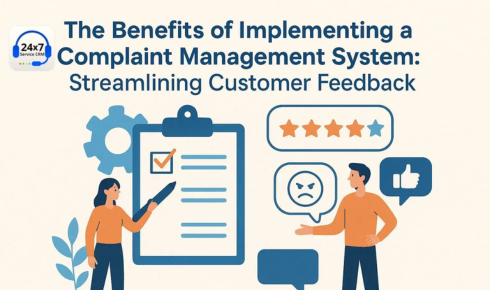
  • The Benefits of Implementing a Complaint Management System: Streamlining Customer Feedback

    The Benefits of Implementing a Complaint Management System: Streamlining Customer Feedback

    In today’s competitive business landscape, customer experience is the key differentiator. Customers expect timely responses, efficient resolution, and personalized attention whenever they encounter an issue. Failure to manage complaints effectively can lead to dissatisfied clients, negative reviews, and loss of business.

    This is where a Customer Complaint Management System becomes a strategic asset. By digitizing, automating, and streamlining complaint handling processes, businesses can not only resolve issues faster but also gain valuable insights to improve products, services, and overall customer satisfaction.

    Let’s explore the key benefits of implementing a Complaint Management System and how it helps businesses streamline customer feedback effectively.

    1. Centralized Tracking of Customer Complaints

    In many organizations, complaints are often scattered across multiple channels—emails, phone calls, social media, or in-person interactions. This fragmentation can lead to missed complaints, delayed responses, and inconsistent handling.

    A Customer Complaint Management System centralizes all complaints into a single platform, allowing businesses to:

    • Track each complaint from submission to resolution.
    • Assign complaints to the appropriate team or agent.
    • Monitor resolution timelines and follow-ups.

    Centralization ensures that no complaint goes unnoticed and that each issue is addressed efficiently, reducing frustration for both customers and employees.

    2. Faster Response and Resolution Times

    Speed is crucial in customer service. Studies show that the faster a complaint is addressed, the higher the likelihood of retaining the customer.

    CCMS platforms often include automated routing and notifications, which help businesses:

    • Immediately assign complaints to the relevant department or agent.
    • Send acknowledgment emails to customers, confirming receipt of their complaint.
    • Track resolution progress in real-time to ensure timely closure.

    By automating these processes, companies can significantly reduce response and resolution times, leading to happier customers and improved brand reputation.

    3. Enhanced Accuracy and Consistency in Handling Complaints

    Manual complaint handling can be error-prone, with details lost or miscommunicated between departments. CCMS software ensures accuracy and consistency by providing:

    • A structured workflow for complaint intake, assessment, and resolution.
    • Templates and guidelines for communication, ensuring uniform messaging.
    • Automated logging of all interactions for future reference.

    This level of consistency builds trust with customers, as they receive reliable and professional service every time they submit a complaint.

    4. Data-Driven Insights for Continuous Improvement

    A Complaint Management System is not just a resolution tool—it’s a valuable source of business intelligence. By analyzing complaint data, companies can identify trends, recurring issues, and areas of improvement.

    For example:

    • Are certain products generating more complaints than others?
    • Which service channels are slower in responding?
    • What common customer pain points need attention?

    These insights enable organizations to take proactive measures, improve processes, and even innovate products or services based on real customer feedback. This data-driven approach helps transform complaints into opportunities for growth.

    5. Increased Customer Satisfaction and Loyalty

    When customers feel heard and see their issues resolved promptly, they are more likely to remain loyal. CCMS enhances customer experience by:

    • Providing transparency through status updates and notifications.
    • Ensuring accountability with assigned responsible personnel.
    • Offering quick and efficient resolutions, reducing frustration.

    Satisfied customers are not only more likely to return but also to recommend the brand to others. In this way, a Complaint Management System becomes a strategic tool for customer retention and brand advocacy.

    6. Compliance and Regulatory Management

    For industries like healthcare, finance, and utilities, complaint management is often subject to strict regulatory requirements. Failure to document or respond to complaints can result in fines, legal actions, or reputational damage.

    CCMS ensures regulatory compliance by:

    • Maintaining detailed logs of all complaints and resolutions.
    • Generating reports for audits and internal reviews.
    • Enforcing timelines and escalation rules for handling sensitive complaints.

    By automating compliance-related processes, businesses reduce risk while demonstrating transparency and accountability to both regulators and customers.

    7. Improved Employee Productivity and Accountability

    Handling complaints manually can be time-consuming, taking staff away from other critical tasks. CCMS streamlines workflows, automates routine tasks, and allows employees to focus on resolving complex issues rather than tracking down complaint details.

    Additionally, the system fosters accountability:

    • Each complaint is assigned to a specific agent or team.
    • Managers can monitor progress and intervene if necessary.
    • Performance metrics help identify training needs and improve service standards.

    This structured approach improves employee efficiency while enhancing overall service quality.

    8. Multi-Channel Integration for Seamless Feedback Collection

    Modern customers expect to lodge complaints through their preferred channels—emails, social media, live chat, or mobile apps. A Complaint Management System integrates these multiple channels into a single interface, ensuring:

    • Unified complaint intake from all sources.
    • Consistent tracking and response regardless of channel.
    • Data consolidation for analysis and reporting.

    This omnichannel approach ensures no feedback is lost, enhancing customer convenience and satisfaction.

    9. Escalation Management for Critical Complaints

    Not all complaints are equal; some require urgent attention. CCMS provides escalation workflows to ensure critical issues are prioritized and resolved swiftly.

    Escalation features typically include:

    • Automated alerts when complaints exceed a resolution time threshold.
    • Tiered escalation to higher management or specialized teams.
    • Tracking and reporting to ensure accountability and closure.

    By addressing high-priority complaints effectively, organizations minimize negative impact and protect their reputation.

    10. Building a Culture of Continuous Improvement

    Ultimately, a Complaint Management Software encourages a proactive, improvement-focused culture. Instead of treating complaints as problems to be buried, organizations can leverage them as insights for better decision-making.

    By tracking trends, identifying systemic issues, and implementing corrective measures, businesses create a feedback loop that continuously enhances products, services, and customer relationships.

    This shift from reactive problem-solving to proactive improvement fosters long-term competitiveness and operational excellence.

    Conclusion: Turning Customer Complaints into Business Opportunities

    Implementing a Customer Complaint Management System is more than a technological upgrade—it’s a strategic investment in customer satisfaction, operational efficiency, and business growth.

    By centralizing complaints, automating workflows, ensuring compliance, and generating actionable insights, CCMS helps organizations resolve issues faster, reduce costs, and build stronger relationships with their customers.

    In an era where customer experience defines brand success, a Complaint Management Software Service CRM enables businesses to turn complaints into opportunities, creating loyal customers, improving processes, and sustaining long-term growth.

  • Mercedes E63 Downpipe Install – Performance Upgrade Guide

    Mercedes E63 Downpipe Install – Performance Upgrade Guide

    When it comes to high-performance vehicles, few cars match the power, luxury, and engineering excellence of the Mercedes-AMG E63. This powerhouse sedan delivers incredible acceleration and precision, but like any enthusiast knows, there’s always room for improvement. One of the most popular performance modifications is the mercedes e63 downpipe install, which can significantly enhance both horsepower and driving dynamics. If you’re considering upgrading your E63, this detailed guide will walk you through the benefits, installation process, and important considerations.

    Why Upgrade the Downpipe?

    The downpipe is a critical component of your vehicle’s exhaust system. It connects the turbocharger to the rest of the exhaust, guiding hot exhaust gases away from the engine. The factory-installed downpipes on many performance vehicles, including the E63, are designed with catalytic converters that meet emissions standards. While effective for compliance, they often restrict exhaust flow, reducing efficiency and limiting potential power gains.

    By upgrading to a high-flow aftermarket downpipe, you can reduce back pressure, improve turbo spool, and unlock additional horsepower and torque. Many enthusiasts also enjoy the deeper, more aggressive exhaust tone that comes with this modification.

    Key Benefits of a Downpipe Upgrade

    1. Increased Horsepower and Torque
      A less restrictive exhaust path allows the turbo to breathe more freely, resulting in noticeable performance gains. Depending on the tune and supporting mods, a downpipe upgrade can deliver an extra 30–60 horsepower.
    2. Faster Turbo Response
      Reducing back pressure helps the turbo spool faster, which means less turbo lag and improved throttle response.
    3. Enhanced Exhaust Sound
      A performance downpipe creates a more pronounced exhaust note, giving the E63 an aggressive tone that reflects its power.
    4. Supports ECU Tuning
      To fully maximize the benefits of a downpipe install, pairing it with a custom ECU tune is highly recommended. This combination optimizes air-fuel ratios and ensures the car runs efficiently with the new setup.

    The Installation Process

    Installing a downpipe on a Mercedes E63 requires mechanical knowledge and the right tools. While some experienced car enthusiasts attempt it themselves, many prefer professional installation to ensure precision and safety.

    1. Preparation
      • Lift the vehicle securely using a hydraulic jack or lift.
      • Disconnect the battery to avoid electrical issues.
      • Allow the exhaust system to cool before starting.
    2. Removing the Stock Downpipe
      • Unbolt the factory downpipe from the turbocharger.
      • Disconnect O2 sensors carefully to avoid damage.
      • Remove any heat shields and clamps securing the downpipe.
    3. Installing the Aftermarket Downpipe
      • Align the new downpipe with the turbocharger and exhaust system.
      • Reinstall O2 sensors and connect them properly.
      • Secure the new downpipe with the provided gaskets, bolts, and clamps.
    4. Testing the Setup
      • Reconnect the battery.
      • Start the engine and check for leaks.
      • If everything sounds and runs smoothly, the installation is complete.

    Considerations Before Installing

    • Warranty Concerns: Modifying your exhaust system can impact manufacturer warranties. Always check with your dealer before making changes.
    • Emissions Regulations: Some downpipes may not comply with local emissions laws. Choose a catted downpipe if you need to maintain street legality.
    • Professional Tuning: A tune is highly recommended to avoid check engine lights and to maximize performance gains.

    Cost of a Downpipe Install

    The price of a quality downpipe for the E63 ranges from $1,000 to $2,000 depending on the brand and whether it’s catted or catless. Professional installation typically costs $400 to $700. When paired with ECU tuning, the total investment can be significant, but the performance gains make it worthwhile for enthusiasts.

    Final Thoughts

    A Mercedes E63 downpipe install is one of the most effective modifications you can make to unlock the true potential of this AMG beast. The performance boost, improved exhaust note, and faster turbo response make it an exciting upgrade for drivers who crave both luxury and power. Whether you choose to install it yourself or have it done professionally, a downpipe upgrade will transform your driving experience and make your E63 stand out even more on the road.

  • When Clean Water Becomes Complicated: A Guide to Fixing and Trusting Your Home’s System

    When Clean Water Becomes Complicated: A Guide to Fixing and Trusting Your Home’s System

    Most of us take the luxury of clean water for granted until one day it suddenly doesn’t flow the way it should. Maybe the tap starts sputtering, maybe the water smells a bit metallic, or maybe there’s just that nagging feeling that something’s off. Water, after all, isn’t just another utility—it’s personal. It touches your cooking, your showers, your laundry, even the plants you nurture on your balcony. And when the system behind it falters, the ripple effect can be surprisingly stressful.

    I’ve been down this road myself, fiddling with filters and juggling half-baked DIY fixes before realizing some problems are way above my pay grade. That’s where knowing who to call—and when to call—makes a world of difference.


    Why Small Problems Rarely Stay Small

    A dripping faucet or cloudy water might not feel like an emergency at first. But these tiny symptoms can hide larger issues. Minerals can build up inside pipes, pumps can lose efficiency, and bacteria can quietly multiply in a tank that hasn’t been serviced in years. Ignoring the signs often turns what could’ve been a quick fix into a wallet-draining ordeal.

    That’s the tricky part with water systems—you don’t always see what’s happening behind the scenes. So, while it’s tempting to wait things out, it’s often smarter to tackle issues head-on before they spiral.


    The Art of Repairing a Household System

    Fixing water infrastructure at home isn’t glamorous, but it’s the backbone of day-to-day comfort. If you’ve ever had to call someone for home water system repair, you know the relief that comes when things finally click back into place. A good technician doesn’t just swap parts. They troubleshoot. They test pressure levels, check filters, examine for leaks, and explain what’s happening in plain language. That blend of technical know-how and practical advice is what sets apart a routine service call from a genuinely reassuring experience.

    And let’s be honest—while YouTube tutorials can make it look easy, there’s a reason professionals exist. Messing with pipes and tanks can quickly turn a minor hiccup into a weekend-long mess.


    What Makes Well Water Different

    If your household runs on municipal supply, you mostly worry about pressure and clarity. But well owners live in a different universe. Wells demand a kind of guardianship—monitoring iron, sulfur, nitrates, bacteria, and more. Each season can bring its own set of challenges. A rainy spring might stir up sediment; a dry summer could lower water tables.

    That’s why well water treatment system installers aren’t just tradespeople. They’re part scientist, part engineer. They test, they design, they install systems customized for the quirks of your soil and geography. If you’ve ever seen orange stains in sinks from excess iron or smelled that rotten-egg sulfur odor, you know how vital their work is. Without the right setup, even the most charming countryside home can turn into a constant maintenance headache.


    Local Expertise Matters More Than You Think

    Here’s a truth that doesn’t get talked about enough: water isn’t the same everywhere. What clogs a filter in Arizona might be completely different from what corrodes pipes in Maine. That’s where relying on local water treatment specialists pays off. They understand the quirks of your area’s groundwater, the municipal additives, and even the seasonal shifts that affect supply.

    I once heard a neighbor complain that his “big-box filter system” worked beautifully… for three months. After that, the unit barely kept up. Why? Because the system wasn’t designed for the specific hardness levels in our region. A local professional could’ve saved him the trouble, recommending a setup that was actually meant for the job. It’s a reminder that generic fixes rarely beat tailored solutions.


    When DIY Can Work—And When It Won’t

    Of course, not every hiccup requires professional intervention. Replacing a faucet aerator, cleaning a clogged showerhead, or swapping out a basic filter are well within the reach of a handy homeowner. And there’s a certain pride in handling the small stuff yourself.

    But there’s a line. When you’re dealing with recurring low pressure, water discoloration, unexplained odors, or anything involving electrical pumps and tanks—it’s time to step back. Think of it like working on your car: changing windshield wipers is fine; rebuilding the transmission is a different story.


    The Real Cost of Neglect

    It’s tempting to put off maintenance until something breaks. Life is busy, bills pile up, and water feels like it should “just work.” But here’s the kicker: neglect costs more in the long run. Replacing an entire pump or treating deeply contaminated water can wipe out a budget faster than routine checkups ever will.

    And it’s not just about money. Poor water quality can sneak into your daily life—skin irritation, funky-tasting meals, laundry that never feels fully clean. These are the hidden costs we don’t always calculate until it’s too late.


    Building Trust with the Right Professionals

    At the end of the day, water care is as much about trust as it is about technology. The best professionals aren’t the ones who push the priciest gear; they’re the ones who take time to explain options, outline pros and cons, and tailor solutions without overselling.

    If you’re unsure where to start, ask neighbors who they use, check online reviews with a critical eye, and don’t be afraid to get a second opinion. The right fit often reveals itself in how comfortable you feel asking questions—and whether you get straightforward answers in return.


    Looking Ahead: Prevention as a Mindset

    Imagine treating water systems the way we treat cars. Regular checkups, routine tune-ups, and preventive care before problems get out of hand. If that mindset took hold, fewer households would face emergency breakdowns and more would enjoy consistent, reliable water year after year.

    It doesn’t have to be complicated. A yearly inspection, a filter replacement schedule, and a good relationship with a trusted specialist are often all it takes.


    Closing Thoughts

    Water is one of those things that seems invisible until it’s not. When it flows cleanly and reliably, we barely think about it. But when something goes wrong, it becomes the center of attention—fast. The good news? Solutions exist, whether you’re leaning on repair experts, tapping into the knowledge of local installers, or simply staying proactive with maintenance.

    At its core, caring for your water system is caring for your home, your family, and yourself. And while it may never be glamorous, it’s one of those quiet investments that pays back every single day.