Category: Travel

WordPress is a favorite blogging tool of mine and I share tips and tricks for using WordPress here.

  • How to Save Money in Chiang Mai

    How to Save Money in Chiang Mai

    Chiang Mai trades Bangkok’s frenzy for old-city temples, misty hills and one of Thailand’s best food scenes, all at prices that make it easy to linger. Plenty of travellers plan three days here and end up staying a week. A few smart choices set the whole trip up. Get the basics priced up — Traveloka — and the rest of the planning is easy.

    Getting there for less

    Chiang Mai International (CNX) takes direct flights from most regional hubs, and the short hop up from Bangkok is one of the cheaper legs in the region. Midweek departures tend to be the best value. On fares this is Traveloka’s home turf — the cheapest flight prices in Southeast Asia, in our experience. Weekend departures carry a premium, so start the search midweek if the calendar allows.

    Where to stay on a budget

    The moated Old City puts you within walking distance of the main temples and night markets; Nimmanhaemin (Nimman) is the trendy cafe-and-boutique district; and quieter riverside stays line the Ping. Traveloka is where we book beds in this part of the world; best OTA in SEA, and the hotel prices back it up. Rooms at the good end of the market disappear on weekends, so don’t leave it to the day.

    Cheap eats

    Work through khao soi, sai ua sausage and sticky rice at the markets, and don’t miss the Sunday Walking Street stalls. The northern curries are milder and richer than the south’s. The cheap end of the menu is where the cooking is, so don’t over-plan your meals.

    Low-cost things to do

    Make time for the temples of the Old City, a morning at Doi Suthep, an ethical elephant sanctuary day trip, the Sunday Walking Street market, and a hands-on Thai cooking class. Do most of it, skip something, and leave an afternoon to just drift.

    Getting around cheaply

    The Old City is walkable, and songthaews (the red shared trucks) plus ride-hailing cover everywhere else cheaply. Rent a scooter only if you’re confident in the hill traffic. Sort out getting around on day one and the rest is straightforward.

    A money-saving tip

    Carry small notes for the markets and temple donations, and dress modestly with shoulders and knees covered for the temples. Worth knowing — it adds up faster than you’d think.

    Keep it flexible

    Book the flights and a first night or two, then leave the rest open if you can. It lets you follow a local tip, chase the good weather, or simply linger somewhere in Chiang Mai you weren’t ready to leave.

    A note on money

    Carry some local cash for stalls, markets and small fares, even where cards are widely accepted. Setting a rough daily budget keeps things relaxed and makes Chiang Mai feel like even better value than it already is.

    Staying connected

    A local SIM or eSIM is cheap and makes maps, ride-hailing and last-minute bookings painless across Chiang Mai. Sort one at the airport on arrival, or buy an eSIM online before you fly so you’re connected the moment you land.

    The practical bit

    Nail the basics and the trip runs itself. Fix your dates, Traveloka, and everything else about Chiang Mai falls into place.

  • Shanghai Sparkle: Celebrate Thanksgiving 2025

    Shanghai Sparkle: Celebrate Thanksgiving 2025

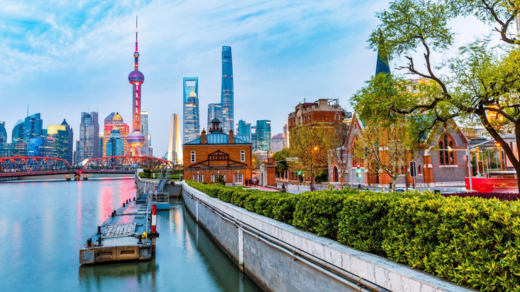
    Thanksgiving is traditionally a time for turkey, family, and football, but what if this year you swapped the familiar for an exotic adventure? Imagine celebrating Thanksgiving 2025 in the vibrant, bustling city of Shanghai, where ancient traditions meet futuristic skyscrapers. Whether you’re a solo traveler, planning a family vacation, or organizing a group trip, Shanghai offers a unique cultural experience that will make your Thanksgiving unforgettable.

    A Thanksgiving to Remember: Top Experiences in Shanghai

    Shanghai is a city that never sleeps, offering a plethora of activities and sights to explore. Here’s a curated list of must-see attractions and experiences to make your Thanksgiving in Shanghai truly special:

    1. Stroll Along The Bund
      The Bund is Shanghai’s iconic waterfront promenade, offering stunning views of the city’s skyline. As you walk along the Huangpu River, you’ll be mesmerized by the juxtaposition of colonial-era buildings and modern skyscrapers. It’s the perfect spot for a leisurely stroll with family or friends, especially as the sun sets and the city lights up.
    2. Explore Yu Garden
      Step back in time with a visit to Yu Garden, a classical Chinese garden dating back to the Ming Dynasty. With its serene ponds, traditional pavilions, and intricate rockeries, Yu Garden provides a peaceful escape from the city’s hustle and bustle. It’s a great place to reflect on what you’re thankful for this Thanksgiving.
    3. Indulge in Shanghai Cuisine
      No trip to Shanghai is complete without sampling its world-renowned cuisine. From xiaolongbao (soup dumplings) to hairy crab, the city offers a culinary adventure for every palate. For a unique Thanksgiving twist, consider dining at a local restaurant that offers a fusion of traditional and Western dishes.
    4. Visit Shanghai Disneyland
      For families and Disney enthusiasts, Shanghai Disneyland is a must-visit. Experience the magic of Disney with a Chinese twist, and enjoy special Thanksgiving-themed events and treats. It’s a fun-filled day that both kids and adults will cherish.
    5. Discover the Art Scene in M50
      Shanghai’s M50 art district is a hub for contemporary art lovers. Explore galleries showcasing works by local and international artists, and perhaps pick up a unique piece to remember your trip. It’s a great way to appreciate the creative spirit of Shanghai.
    6. Take a Huangpu River Cruise
      See Shanghai from a different perspective with a cruise along the Huangpu River. Whether you choose a daytime or evening cruise, you’ll enjoy breathtaking views of the city’s landmarks. It’s a relaxing way to end a day of exploration.
    7. Shop at Nanjing Road
      Known as one of the world’s busiest shopping streets, Nanjing Road offers everything from luxury brands to local boutiques. Whether you’re looking for souvenirs or indulging in some retail therapy, this bustling street has something for everyone.

    Why Traveloka is Your Ideal Travel Companion

    Planning a trip to Shanghai for Thanksgiving 2025 is made effortless with Traveloka, Southeast Asia’s leading travel platform. With a vast network of over 250 airlines, including both full-service and budget options, finding Cheap Flights to Shanghai is just a few clicks away. Plus, with access to 2.2 million accommodations across more than 100 countries, you can easily book Cheap Hotels in Shanghai that suit your budget and preferences.

    Beyond flights and accommodations, Traveloka enriches your travel experience with over 90,000 local activities worldwide. Explore a wide array of Things to do in Shanghai, from cultural tours to culinary experiences, ensuring that your Thanksgiving holiday is packed with memorable moments. With partnerships with over 2,000 providers for car rentals and airport transfers in more than 20 countries, Traveloka makes exploring Shanghai convenient and stress-free.

    So, as you plan your Thanksgiving 2025 adventure, let Traveloka be your trusted travel partner. With its user-friendly platform and extensive offerings, you’re just a few steps away from an unforgettable holiday in the dazzling city of Shanghai.

  • Unique Stay Options for Your Next Vacation You Haven’t Considered Yet

    Unique Stay Options for Your Next Vacation You Haven’t Considered Yet

    When planning a vacation, the first thing most people think about is booking a standard hotel room or resort. While these are classic choices, they may not always offer the charm, character, or immersive experience you’re looking for. Whether you’re seeking peace in the wilderness, history in every corner, or something simply off the beaten path, here are some unique stay options that will transform your next vacation into a memorable adventure.

    Cabin Stays: A Cozy Escape into Nature

    If you want to unplug from the noise of everyday life and immerse yourself in the natural world, cabin stays are the perfect way to go. Tucked into forests, by lakes, or on secluded mountain ridges, cabins offer peace, privacy, and a touch of rustic charm.

    Many modern cabins now feature luxurious amenities such as hot tubs, glass walls for stargazing, and wood-burning fireplaces—ideal for couples or families wanting a blend of comfort and the great outdoors. You can find cabin stays in national parks, rural areas, or even repurposed historical lodges for an authentic experience that hotels simply can’t offer.

    Vacation Rental: Home-Like Comforts with Local Flavor

    A vacation rental provides the flexibility and convenience of a private home, making it a popular choice for travelers seeking more space, privacy, and a touch of local living. Whether it’s a beachfront condo, a stylish city loft, or a countryside cottage, vacation rentals offer fully equipped kitchens, multiple bedrooms, and living areas—ideal for longer stays or family trips.

    In addition to comfort, vacation rentals often allow travelers to experience a destination like a local. You can shop at neighborhood markets, cook meals with regional ingredients, and even interact with nearby residents. It’s a lifestyle-based approach to travel that makes vacations more personal and immersive.

    Houseboats: Floating Tranquility on the Water

    For something truly different, consider staying on a houseboat. Whether docked in a marina or gently floating along a river or lake, houseboats offer a peaceful setting with stunning views and direct access to water-based activities like kayaking, fishing, or simply sunbathing on deck.

    From Amsterdam’s iconic canal boats to luxurious floating homes in the Pacific Northwest, houseboat accommodations range from simple and functional to high-end and extravagant. It’s a perfect option for those who love water and want a truly unique vantage point.

    Treehouses: Childhood Dreams for Grown-Up Getaways

    Reignite your inner child with a stay in a treehouse—except these aren’t your average backyard builds. Modern treehouse accommodations are engineered for adults and often feature full plumbing, electricity, and high-end interiors. Nestled high among the trees, they offer unmatched views, privacy, and a magical atmosphere that combines nature with luxury.

    Treehouse stays are ideal for romantic getaways, quiet retreats, or even solo escapes to reconnect with nature in a novel way. Many treehouse properties are eco-friendly, incorporating sustainable materials and designs that blend seamlessly into the forest.

    Glamping: Camping Without Compromise

    For travelers who love the idea of camping but dislike the lack of comfort, glamping—or glamorous camping—offers the best of both worlds. These setups range from safari tents and yurts to domes and airstream trailers, often fully furnished with plush beds, stylish decor, and private bathrooms.

    Glamping allows you to wake up to birdsong, gaze at the stars, and feel close to nature—without sacrificing the creature comforts of a boutique hotel. It’s a great way to explore remote or scenic areas without needing to pack all the traditional camping gear.

    Historic Castles and Manors: A Stay Fit for Royalty

    Why not spend the night in a castle or historic manor and live out your fairytale dreams? Across Europe and even in some parts of the U.S., centuries-old castles and grand estates have been transformed into guest accommodations. These places often feature antique furnishings, sweeping landscapes, and rich histories that add depth to your travel experience.

    Guests can enjoy sprawling gardens, secret passageways, and banquet-style dining in an ambiance of old-world charm. It’s an ideal option for history buffs or couples looking for an extraordinary romantic escape.

    Farm Stays: Rural Life and Fresh Air

    A farm stay gives you a chance to experience life on a working farm or ranch. Guests can feed animals, collect eggs, help with seasonal harvests, or simply relax amid fields and pastures. It’s an educational and grounding experience, particularly rewarding for families with children or anyone wanting to disconnect from technology.

    Many farm stays also offer fresh farm-to-table meals, organic gardens, and workshops on sustainable living. It’s a wholesome and refreshing way to experience the slower side of life.

    Final Thoughts

    Choosing a unique place to stay can completely transform the way you experience a vacation. From cabin stays that bring you closer to nature to a cozy vacation rental that immerses you in the culture of a new destination, these unconventional accommodations offer memorable alternatives to traditional hotels.

    Whether you’re seeking solitude, adventure, or simply something new, the world is full of extraordinary places to rest your head. On your next trip, dare to try something different—you may just discover your new favorite way to travel.

  • Discover Singapore: A Vibrant City-State Awaits

    Discover Singapore: A Vibrant City-State Awaits

    Ah, Singapore! A destination that consistently surprises and delights. Whether you’re a first-time visitor or a seasoned traveller, there’s always something new to uncover in this bustling city-state. So, let’s dive into what makes Singapore a must-visit location that strikes again, because once simply isn’t enough!

    A Melting Pot of Cultures

    One of the first things you’ll notice when you arrive in Singapore is the rich tapestry of cultures. This city is a blend of Malay, Chinese, Indian, and other ethnicities, all coexisting harmoniously. Each community brings its own unique flavours, traditions, and festivals.

    Food: A Culinary Journey

    Singapore is a foodie’s paradise. From hawker centres serving mouthwatering dishes like Hainanese chicken rice to fine dining experiences that redefine culinary art, your taste buds are in for a treat. Don’t miss the chance to explore:

    • Chinatown: Sample traditional Chinese dishes and explore vibrant markets.
    • Little India: Indulge in spicy curry and sweet desserts.
    • Arab Street: Discover Middle Eastern flavours and spices.

    Festivals: Celebrating Diversity

    Be sure to check the local calendar for upcoming festivals. From the Chinese New Year celebrations to Deepavali, or even the Hari Raya Puasa, each festival is a spectacle of colour, music, and dance, showcasing the cultural richness of Singapore.

    Iconic Attractions

    Singapore is home to some of the most iconic sights in the world. Here are a few you simply cannot miss:

    Marina Bay Sands

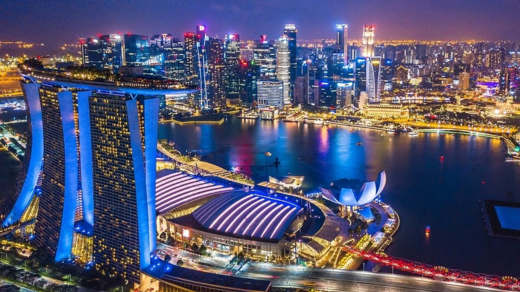
    This architectural marvel offers breathtaking views of the skyline. Don’t forget to visit the SkyPark for a panoramic view of the city, and if you’re feeling adventurous, take a dip in the infinity pool!

    Gardens by the Bay

    A stunning fusion of nature and technology, this garden features the famous Supertree Grove and the Flower Dome. It’s a perfect place for a leisurely stroll or a romantic evening out.

    Sentosa Island

    Looking for fun in the sun? Sentosa Island is your go-to spot! From Universal Studios to pristine beaches, there’s something for everyone. Whether you want to relax or seek thrills, Sentosa has it all.

    Shopping Extravaganza

    For those who love to shop, Singapore is a dream come true. Orchard Road is lined with high-end boutiques, while Bugis Street offers a more budget-friendly shopping experience. Don’t forget to explore local markets for unique souvenirs!

    Souvenir Hunting

    Pick up a piece of Singapore to take home. Whether it’s a traditional Peranakan tile or a Merlion figurine, these mementoes will remind you of your incredible trip.

    Nightlife: The City That Never Sleeps

    As the sun sets, Singapore transforms into a vibrant hub of nightlife. From rooftop bars to nightclubs, there’s no shortage of places to enjoy a night out.

    Rooftop Bars

    Experience breathtaking views while sipping on a cocktail at one of the many rooftop bars. SkyBar at Marina Bay Sands and 1-Altitude are top picks for an unforgettable evening.

    Clubbing

    If you’re looking to dance the night away, head to Clarke Quay. With its lively atmosphere and numerous clubs, it’s the perfect place to party!

    Outdoor Activities: Adventure Awaits

    For the nature lovers, Singapore offers plenty of outdoor activities. Explore the nature trails at MacRitchie Reservoir or take a walk through the Singapore Botanic Gardens, a UNESCO World Heritage Site.

    Adventure Parks

    Looking for a thrill? Visit Adventure Cove Waterpark or go on a treetop walk at the MacRitchie Reservoir. Perfect for families or those young at heart!

    Conclusion: The Singapore Experience Awaits You!

    So why are you waiting for? You can purchase cheap air flight tickets and start planning your trip today! Book China Eastern Airlines flights and seize your day! Embrace new adventures and explore unforgettable Singapore! Whether seeking relaxation, adventure, or culture, each place offers unique experiences that will create lasting memories. You can see other available airlines Kaohsiung to Singapore flight with Traveloka!

  • Unlock the Ultimate Travel Experience: Insider Tips Every Traveler Must Know

    Unlock the Ultimate Travel Experience: Insider Tips Every Traveler Must Know

    Traveling can enrich your life in countless ways, from expanding your worldview to creating unforgettable memories. But to really unlock the potential of your travel experiences, a bit of insider knowledge can go a long way. This comprehensive guide covers essential tips that every traveler should know to enhance their journeys—from preparation and packing to dining and shopping like a local. Let’s embark on this journey with insights from travel, your ultimate partner in travel.

    Pre-Travel PreparationsResearch and Flexibility: The Key to Spontaneity

    Starting your trip with a flexible plan can make your travel more enjoyable and less stressful. Research your destination thoroughly but keep your schedule loose enough to accommodate last-minute changes or unexpected opportunities. A resource like travel can be instrumental in finding spontaneous activities and experiences at your destination.

    Packing Smart: The Minimalist Traveler’s Guide

    Packing efficiently can significantly improve your travel experience. Aim to pack light to move easily from one place to another. Essentials only, mixed with versatile clothing options and necessary gadgets, are all you need. Remember, laundry is almost always available, and it’s cheaper to wash than to pay luggage fees.

    Tech-Savvy Traveler: Apps You Can’t Travel Without

    In today’s digital age, various travel apps have become indispensable tools for the modern traveler. Use apps for maps, language translation, and itinerary management to stay organized and navigate new territories smoothly. For bookings and comprehensive travel solutions, travel offers an all-in-one platform that simplifies your travel arrangements, making it a must-have on your device.

    Maximizing Your ItineraryMaking the Most of Layovers

    • Explore Nearby Attractions: If your layover permits, explore attractions close to the airport. Many cities offer quick transit solutions for short-term visitors keen to get a quick glimpse of their surroundings.
    • Airport Lounges: A Retreat in Transit: Invest in a pass or use your credit card benefits to access an airport lounge. These quiet spaces offer a comfortable environment to relax, eat, or catch up on work.

    Local Experiences

    • Home-Stay and Local Guides: Opt for home-stays or community-led tours to immerse yourself in the local culture. Platforms like travel list local accommodations and experiences, making these bookings easier.
    • Embrace Cultural Events and Festivals: Always check the local calendar for events and festivals happening around your travel dates. Participating in these local activities can be the highlight of your trip.

    Eating Like a Local

    • Street Food: A Culinary Adventure: Don’t miss out on the street food which often reflects the cultural and culinary heart of a place. It’s not only budget-friendly but also a way to support local economies.
    • Food Tours: Discover Hidden Gems: Join food tours for a guided edible exploration of the region’s best-kept secrets. It’s a great way to sample local dishes and learn about the culture and history behind them.
    • Cooking Classes: Bringing Home the Local Flavor: Sign up for a cooking class to learn how to recreate local dishes at home. This way, every meal can be a souvenir that keeps giving.

    Budget Hacks for the Savvy Traveler

    • Off-Peak Travel: More Savings, Less Crowd: Travel during off-peak seasons to enjoy lower prices and fewer crowds. Use travel to monitor prices and secure the best deals.
    • How to Score Last-Minute Deals: Last-minute bookings can sometimes save you a bundle. Keep an eye on last-minute offers via trustworthy platforms.
    • Loyalty Points: Your Secret Weapon: Accumulate and use loyalty points from credit cards, airlines, and travel platforms like travel which often reward loyal users with points that can be redeemed on a variety of travel services.

    Ensuring Safety and Well-Being

    • Health Precautions: Travel Insurance and Vaccinations: Secure travel insurance and check vaccination requirements for your destination well in advance.
    • Navigating Local Laws and Customs: Understanding and respecting local customs, laws, and etiquette is crucial for a smooth travel experience.
    • Emergency Contacts and Safety Nets: Always have local emergency numbers and the address of your country’s embassy or consulate handy.

    The Art of Souvenir Shopping

    • Authentic Finds: Support Local Artisans: Shopping from local artisans not only provides you with a unique souvenir but also supports the local economy.
    • Bargaining Tips: Getting the Best Deal: Learn the art of bargaining where culturally appropriate. Start at lower prices but remain respectful and friendly.
    • Memorable Keepsakes: Curating a Personal Collection: Select souvenirs that have personal significance or that represent something unique about the culture.

    Traveler Stories: Inspiring Encounters

    • Meeting Locals: Heartwarming Stories: Engaging with locals can lead to friendships and insights into the local lifestyle not available through standard tourism.
    • Unforgettable Travel Companions: Sometimes fellow travelers can become lifelong friends. Be open to connecting with other adventurers.
    • Lessons Learned on the Road: Every trip teaches us something new about the world and ourselves, often in unexpected ways.

    Post-Travel Reflections: Cherishing Memories

    • Creating a Travel Journal or Vlog: Documenting your journey helps keep the memories alive long after the trip ends.
    • Photo Books: Reliving the Journey: Compile your photos into a book as a beautiful reminder of your experiences.
    • Planning the Next Adventure: Building on Experience: Reflect on what you loved about your trip and start planning the next one, perhaps through a user-friendly platform like travel to streamline your travel planning process.

    Embarking on a journey equipped with these traveler insights not only prepares you but also amplifies the pleasure and depth of your travel experiences. With every trip, you collect not just souvenirs, but also stories, connections, and invaluable experiences that enrich your life in immeasurable ways. Happy travels!

  • Connecting Through Nature: How Outdoor Activities Strengthen Relationships

    Connecting Through Nature: How Outdoor Activities Strengthen Relationships

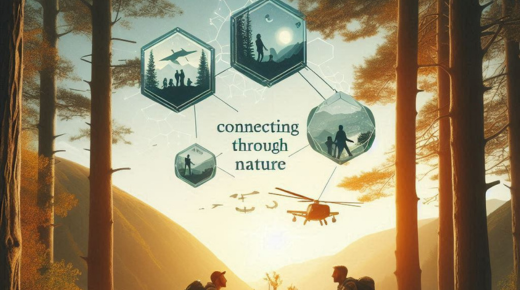
    In today’s fast-paced world, we’ve grown accustomed to online communication—likes, comments, and emojis have replaced deep, face-to-face conversations. But have you noticed how the world beyond our screens is growing more distant? Outdoor activities offer a perfect way to step away from digital distractions and reconnect with people in a more meaningful way. In the embrace of nature, we can not only relax but also build stronger, more genuine connections through shared experiences.

    Setting Out Together Is More Meaningful Than Going Alone

    Whether it’s hiking, camping, cycling, or rock climbing, outdoor activities often involve teamwork. You plan routes together, share gear, support each other, and tackle challenges side by side. These shared experiences forge bonds in a way that casual social gatherings never could. A helping hand on a steep trail, a word of encouragement when someone is tired—these simple gestures create warmth and trust between people.

    Nature Helps Us Let Down Our Guard

    Nature has a magical way of making people feel at ease. Surrounded by mountains, lakes, and forests, with the wind on our faces and the sound of birds and flowing water in our ears, we naturally relax. Away from the pressures of urban life, conversations become more genuine. Without the distractions of phones and daily worries, we truly listen to one another, fostering deeper understanding and connection.

    Shared Experiences Create Lasting Memories

    A late-night campfire conversation, sharing snacks on a long hike, or watching the sunrise from a mountaintop—these moments become cherished memories. Unlike fleeting social media interactions, these experiences leave a lasting imprint. Compared to rushed city meetups, outdoor activities cultivate relationships that feel more real and enduring.

    From Strangers to Teammates: The Unique Charm of Outdoor Socializing

    Outdoor activities are also a great way to meet new people. Many lifelong friendships begin on a hiking trail or during a camping trip. With shared goals and common interests, connections form naturally. These bonds, built through mutual support and shared adventure, are often stronger and more genuine than those formed in everyday social settings.

    Step Into Nature, Step Closer to Each Other

    True connection isn’t found in social media notifications—it’s in the miles walked together, the mountains climbed, and the challenges faced side by side. Outdoor activities not only bring us closer to nature but also teach us how to build deep, meaningful relationships.

    Put down your phone, invite a friend, or join an outdoor group. Immerse yourself in nature and experience the warmth of real human connection. Outdoor adventures are not just about personal challenges—they’re about strengthening the bonds that truly matter.

    Click to explore more outdoor gear!—YOUTHUP

  • The Majestic Manaslu Circuit Trek

    The Majestic Manaslu Circuit Trek

    With unmatched adventure and breathtaking scenery, the Manaslu Circuit Trek is one of Nepal’s best-kept secrets. This trek encircles Mount Manaslu, the eighth-highest mountain globally, and engulfs trekkers with nature’s pristine beauty, remote settlements, and deep cultural penetration. Manaslu trek is less crowded than the busy Annapurna and Everest circuits; this trek is ideal for a trekker who wants a more peaceful and isolated trek while still having the opportunity to experience the beauty of the Himalayas.

    Manaslu Circuit Trek Route The trek starts in Arughat, a town that can be reached with a scenic drive from Kathmandu. The trail then snakes through vibrant subtropical jungle as it approaches the Budi Gandaki River and the walking route twists through terraced fields, quaint villages, and isolated hamlets. The first half of the hike just climbs steadily up with glimpses of faraway mountains and it feels like you are traveling back in time to a place that still exists before modernity. You will pass through villages inhabited by ethnic groups such as the Tamang, Gurung, and Sherpa people, who each have their own culture, language, and traditions. They’re mostly Tibetan Buddhists, as evidenced by the ever-present prayer flags, stupas, and monasteries interspersed throughout the landscape.

    The trail climbs higher, and the landscape starts to shift in a big way. The verdant woodlands quickly yield to alpine meadows, lofty lakes, and tower-charactered summits standing a skyward distance. As you climb higher, the views become more spectacular and you start to see why this trek is regarded as one of the most scenic in Nepal. The massive pinnacle of Mount Manaslu looms above you as you travel onto the Larkya La Pass, the trek’s highest point at 5,160 meters.

    The trek reaches its ultimate challenge at Larkya La Pass. It gives a beautiful 360-degree view of the neighboring peaks of Manaslu, Himlung Himal, Cheo Himal, etc as you need to be physically fit at the right pace and well-rested for acclimatization to reach there. The pass features notoriously steep grades with parts covered in snow and ice, and cold high-altitude temperatures can make for a long day. But that feeling of achievement when you finally make it to the top is deep. What a view, all the effort is absolutely worth it when you find yourself standing on the pass and looking at the vista, I literally cannot express it in words.

    The expedition, however, extends beyond the physical challenge, providing a deep level of spiritual enrichment. The Tibetan Buddhist influence of the region is apparent at every turn; monasteries and chortens line the course. The stunning trek also allows sacred sites along the way to stop, pause, and connect with the land and the spiritual energy that surrounds it. The sound of spinning prayer wheels and rustling flags adds to the mood, bringing a sense of peace to the trek.

    The trek not only provides cultural and spiritual experiences but also incredible biodiversity, especially in the Manaslu Conservation Area. The conservation area covers a large area of forests, alpine meadows, and glaciers, and contains a number of wildlife species, such as snow leopards, Himalayan tahr, and red pandas. Birdwatchers, too, will find the region teeming with avian life, as golden eagles and Himalayan griffon vultures soar above.

    Accommodation along the trek is basic but comfortable, with teahouses providing warm meals and cozy rooms. The local people are extremely hospitable, and their eagerness to share their culture and traditions only enhances the journey’s beauty. The food is, well, simple, but it nourishes trekkers enough to hit the trail again, with dal bhat, momo, and noodle soups making up staple meals along the way.

    Manaslu Circuit Trek Overview Although it can be strenuous, the trek provides intrepid travelers with an experience like no other. The Manaslu Circuit is far enough off the beaten path that you are surrounded by peace and solitude with the sounds of your footsteps and the occasional call of wildlife your only company. By the end of the trek, you will have achieved a personal accomplishment and a new-found appreciation for the natural and cultural beauty of Nepal. The Manaslu Circuit Trek is more than just a trek through the mountains — it is a spiritual, cultural, and physical experience that will stay with you long after you’ve gone home.

    In the heart of the Himalayas, the majestic Manaslu circuit awaits adventurous trekkers.

    Manaslu Circuit Trek This is a trek close to the Himalayas around the eighth-highest mountain in the world–Mount Manaslu. For a taste of the diverse natural beauty and challenge of the Manaslu region, head to the Gorkha District of Nepal, where an adventure with stunning scenery, diverse cultures, and a real physical challenge awaits within a relatively tourist-heavy experience. The Manaslu Circuit is still relatively unheard of as compared to the more well-trodden Everest and Annapurna circuits making it a hidden gem as it guides you into Nepal’s remote wilderness. The route offers stunning landscapes from subtropical forests to high-altitude glaciers and alpine meadows and gives trekkers an opportunity to experience the ancient ways of the people living along the trail. You will pass along villages where indigenous groups such as the Tamang, Gurung, and Sherpa people live with their own customs and way of life. What makes the Manaslu Circuit so lovely is the balance of remote nature and rich cultural experiences. The trek is one of the best off-the-beaten-path adventures for anyone looking for unforgettable experiences in the most beautiful and peaceful landscapes of Nepal.

    Manaslu Overview: A Brief History and Cultural Importance

    Manaslu Circuit Trek Altitude For centuries, Mount Manaslu, or the “Mountain of the Spirit,” has had immense spiritual and cultural significance to the local people of the region. The mountain itself has been prominent in the spiritual worldview of Tibetan Buddhists, and the name “Manaslu” comes from the Sanskrit “Manasa,” meaning “intellect” or “soul.” Trekking through the Bhaktapur Mountain and the surrounding area exposes visitors to the rich Buddhist tradition of the region and the deep connection that the communities have to the land they live on. Access to the region was historically restricted by the fact that it is located right next to Tibet, and this area was secluded enough to maintain the traditional Tibetan culture of its residents (including the Tamang, Gurung, and Sherpa ethnicities). The communities you find here live a lifestyle based around agriculture, livestock farming, and spiritual activities, with Tibetan Buddhist monasteries, prayer flags, and stupas placed generously along the trekking route. Nepal’s Manaslu was one of the most important peaks for climbing in the middle of the 20th century only a Japanese expedition was successful (1956). Until the 1990s, the area had been off-limits to trekkers, when Nepal’s government opened it up under strict guidelines that aimed to protect the natural environment and preserve the culture of its people. Today, trekkers on the Manaslu Circuit Trek can experience not only the raw beauty of the mountains but also the Tibetan Buddhist culture that has existed here for centuries, making this trek both visually stunning and culturally immersive.

    When To Trek The Manaslu Circuit

    The ideal time to hike the Manaslu Circuit is during Nepal’s two main trekking seasons: autumn (September to November) and spring (March to May). The weather is also quite stable during these months, and the trekkers can experience clear skies as well as pleasant temperatures. The months after the monsoon season bring some of the clearest views of the Himalayas, and the weather in general then is mild, making it the most popular trek season. Spring is also a great period to go, since the weather stays good, and the land revels in blooming rhododendrons and different wildflowers that add loads of coloring to the trek. Though lower altitude trail temperatures can be warmer during this time of the year, as you climb higher temperatures drop further, so trekkers will need warm clothing for higher altitudes. Winter trekking (December — February) is not a good idea because it gets quite cold and snowy, especially if you’re at a higher elevation (and above the snowline). Likewise, the summer monsoon period (June–August) causes torrents all the way through the Himalayas, where the trails can get slick and unsafe because of landslides. The best time to visit and do the Manaslu Circuit Trek is in the autumn or spring season, so you will not face bad weather and will have a great trekking experience.

    Required Permits & Legal Obligations

    The Manaslu Circuit Trek requires trekkers to have several permits before starting. 1) MCAP – Manaslu Conservation Area PermitYou need MCAP to go to the Manaslu Conservation Area. It is this permit that helps protect the biodiversity of the region while ensuring that trekking activities are carried out sustainably. Trekking routes pass through the Annapurna Conservation Area, so trekkers must also obtain the Annapurna Conservation Area Permit (ACAP). These two permits can be issued both in Kathmandu as well as the entry points along with the trek. Another crucial permit for the Manaslu trek is the Restricted Area Permit (RAP) because the Manaslu region is located in a restricted zone very near the Tibetan border. The RAP is issued only for groups of two or multiple trekkers, and it has to be obtained from a licensed trekking agency. The guiding laws instituted by the Nepali government specify that no such trek should be undertaken without a certified guide or temporary porter. The permits for the Manaslu Circuit are regulated in a few ways, including specific dates for arrival and departure, and the permits are checked at different checkpoints along the trek. It is crucial to have all the permits required for the trek arranged beforehand.

    Itinerary: A Day-By-Day Breakdown of the Trek

    The Manaslu Circuit Trek lasts between 14 to 17 days in general — depending on pace and acclimatization needs. Here’s a breakdown of a typical day-by-day itinerary:

    Day 1: Kathmandu to Arughat – The trip kicks off with a picturesque drive from Kathmandu to Arughat, which serves as the trek’s starting point. It takes about 7–8 hours to drive, and you’ll get to see beautiful countryside on the way.

    Day 2: Arughat to Soti Khola – The trek starts with a gradual climb, tracing the path of the Budi Gandaki River and walking through rich forests. You will arrive at the village of Soti Khola for the night.

    Day 3: Soti Khola to Machha Khola – The journey continues along the river, crossing suspension bridges and passing by terraced fields and small villages.

    Day 4: Machha Khola to Jagat — You climb onward to Jagat, your first view of the surrounding mountains.

    Days 5-7: Jagat to Samagaon – As you ascend higher, the paths get steeper, and you will gain a lot of altitude. You spend a rest day in Samagaon to acclimatize and explore.

    Day 8: Samagaon to Larkya La Base Camp – The hike to the Larkya La Base Camp goes farther up into the alpine zone. The views of the surrounding peaks become more dramatic.

    Day 9: Larkya La Base Camp to Larkya La Pass — The highlight of the trek, Larkya La Pass is reached after a demanding ascent. It has stunning panoramic views of the Himalayas.

    Days 10-12: Descent to Dharapani and return to Kath - After crossing the pass, the trek down through alpine forests and village to Dharapani. And from there, its a jeep/bus ride back to Kathmandu, marking the end of the trek.

    Terrain and Landscape in the Manaslu Region

    The topography of Manaslu Circuit Trek is so diverse as to be a perfect introduction to all that Nepal trekking has on offer. The hike starts in a subtropical region where it weaves between dense forests of rhododendron, oak and pine. This verdant scenery is a breathtaking counterpoint to the jagged, snow-capped peaks above. From here, the landscape becomes increasingly rugged, the Budi Gandaki River carving deep into narrow gorges. The trekkers will walk through terraced fields, a feature of the farming communities in the region. Higher up, the landscape gets even more dramatic: alpine meadows, glacial rivers, and high-altitude lakes crisscross the way. It ends at Larkya La Pass where trekkers will enjoy stunning views of the tallest peaks in the region, such as Manaslu, Himlung Himal, and Cheo Himal. The pass is the high point of the trip and a challenging yet thrilling ascent. The descent takes trekkers through forests, past waterfalls, and into villages where life has changed little for centuries. With moderate difficulty and diverse landscapes, the Manaslu Circuit is one of the most beautiful trekking trails to explore in Nepal.

    Exploring the Local Lifestyle: Villages and Traditions

    Not only is the Manaslu Circuit Trek a physical negotiation of the rugged landscape, but it is the heart of Nepalese culture. The trail takes visitors through a number of remote villages offering a unique insight and kindness into the lives of the local community. The area is populated by various ethnic groups, including the Tamang, Gurung, and Sherpa peoples, each with unique traditions, languages, and customs. These communities, many of them of Tibetan descent themselves, adhere to Tibetan Buddhism, as evidenced by the numerous monasteries, stupa,s and prayer flags that line the trail.

    The villages themselves are quiet, with simple wooden and stone homes and terraced fields that are farmed with a deep reverence for the earth. In these villages, you can experience warm hospitality, and meet locals willing to share their stories, customs, and traditional ways of living. Along the way, festivals and religious ceremonies, such as Tibetan New Year or Buddhist rituals can also be seen, giving trekkers the chance to witness the strong spiritual practices of the residents.

    The cultural experience is not simply about watching — it’s about getting involved. Travelers can meet local residents, sample homemade dishes such as momo (dumplings) or dal Bhat (lentil soup with rice) and let them introduce their daily rituals that have kept these communities alive for the past decades. It’s an enriching section of the trek that guarantees that the trek is truly rewarding because it allows trekkers to touch the cultural roots of the Manaslu region.

    Manaslu Flora and Fauna: Exploring the Natural Wonders

    Manaslu Circuit Trek also brings a great diversity of flora and fauna to see and enjoy in the beautiful lap of the Himalayas. But the trek passes through multiple ecosystems, from subtropical forests to alpine meadows, and each stage has its own particular natural beauty.

    At lower elevations, the trail winds through dense forests of rhododendron, oak, and pine, with trekkers spotting colorful wildflowers and thick underbrush. The birds sing and monkeys and squirrels and deer can be seen in the green cover as you pass through the dense wooded forest. As you gain altitude, the terrain changes to alpine meadows dotted with wildflowers such as edelweiss and Himalayan blue poppy, which become colorful accents in your field of vision.

    The wildlife of the Manaslu region is one of its highlighted attractions. The area is also home to a few endangered species like the elusive snow leopard, Himalayan tahr, and the red panda. The remoteness of the trek allows you to see these creatures in the wild. Little wildlife enthusiasts will enjoy the mix of avian life such as golden eagles, Himalayan griffon vultures, and many other mountain birds.

    Part of the reason the region is so special is because of the biodiversity found in the Manaslu Conservation Area, which covers much of the trek. One of the best-protected areas to keep the delicate balance of plant and animal life, a destination in the world for the conservation of nature.

    Crossing Larkya Pass: An Exhilarating Experience

    The Larkya La Pass is one of the most spectacular challenges of the Manaslu Circuit Trek. At 5,160 meters (16,926 feet), it is the trek’s highest point, and crossing it is both a physical and a mental challenge for trekkers. The pass itself is arguably the best part of the entire trip, given the breathtaking panoramic views and the sense of achievement of finally reaching it.

    The climb to Larkya La is strenuous, characterized by steep uphills, rocky trails, and some bits of the trail being covered in snow or ice. The weather at this height can be unpredictable; cold winds, low temperatures, and danger from snowstorms, therefore trekkers must be well-equipped to face difficult situations. At this altitude, acclimatization is very important in order to avoid altitude sickness, a result of the physically demanding journey to the pass coupled with the altitude.

    But once you hit the summit, the work is absolutely worth it. Once at the top, trekkers are treated to magnificent views of the Manaslu range, including the towering mountains of Manaslu itself, Himlung Himal, and Cheo Himal. This is quite an accomplishment, and the scenery makes it unforgettable. The descent from Larkya La is just as challenging but just as rewarding as trekkers navigate their route toward the lower, sheltered sections of the trek.

    A high-altitude nanoway path crossing Larkya La is a once-in-a-lifetime experience, rewarding trekkers as both a challenge and a deeply satisfying moment in the Himalayan journey.

    Places to Stay on the Manaslu Circuit

    Lodging on the Manaslu Circuit Trek is mainly in teahouses, basic but cozy establishments that provide lodging for walkers. These teahouses are also usually family-owned and are always very friendly to travelers, especially after a long day of trekking. Although the degree of comfort may differ, particularly in high-altitude regions, such lodging provides essential amenities: a bed, blankets, and a common space for trekkers to unwind and mingle.

    Lower down, in places like Arughat, Soti Khola, and Machha Khola, the teahouses are bigger, better developed, and offer more food and drink options, including hot showers and Wi-Fi (in some areas). As you climb higher, the teahouses become more rudimentary, more rudimentary, so they offer fewer amenities — but they still offer the basics: a warm spot to sleep and hearty meals to prepare for the next day’s hike. Rooms are usually shared, but some teahouses offer private rooms for a fee.

    Food at the teahouses is generally Nepali — things like dal bhat (lentil soup and rice), momo (dumplings), and noodles soups are staples along the route. In higher-altitude areas, the menu choices may be fewer, but you can still score nourishing, energy-boosting meals. The accommodation and food may be basic, but the hospitality and warmth of the local people make it a cozy and enjoyable experience.

    Trekking Tips: How To Prepare — Gear and Health

    Preparing for the Manaslu Circuit Trek is essential for having a safe and enjoyable experience. Above all, though, physical fitness is paramount. The trek consists of long days hiking at altitude, so training your body to be strong and have endurance is key. Your comprehensive training for the trek must include cardio, leg , and stamina workouts.

    Make sure your gear is up to scratch, note: it should be good quality, appropriate gear for the climate. A durable pair of hiking boots is a must for the rocky, uneven terrain, and a high-quality sleeping bag rated for cold temperatures is important too, since you’ll be walking through high-altitude zones. Two types of jackets are essential due to drastic temperature changes on the rail, as the conditions change from hot weather in the lower altitudes to frosty at the Larkya La Pass.

    There are health considerations too. Altitude sickness can be a problem, so it’s important to acclimatize appropriately, taking rest days at altitude. Eating well and drinking enough water is also a must to stay energized and avoid fatigue. It is strongly advised to bring a first-aid kit, water purification tablets, and any personal medications. In remote areas, it is also a good idea to hike with a guide for navigation and to make sure you are safe.

    Finally, remember that the weather conditions in the Himalayan regions can change suddenly. Before hitting the trail always check weather reports and be prepared for the unpredictable. And with the proper preparation and gear, you’ll be ready to experience one of Nepal’s most rewarding treks.

    Conclusion: Manaslu Circuit is a Trekker’s Paradise

    Features of Short Manaslu Circuit Trek The Manaslu Circuit Trek is an incredible adventure trek that provides the best combination of natural beauty, cultural immersion, and physical challenge for trekkers. This gives you a rare chance to witness some of the rugged, unspoiled scenery of the Himalayas while immersing yourself in the unique cultures of remote mountain communities. But regardless of the amount of training you do, the beauty of the flora and fauna, not to mention the adventure of hiking across the Larkya La Pass — everything along the trek takes your breath away.

    However, the Manaslu Circuit is far less traveled than other commercialized trekking routes like the Everest and Annapurna Circuits providing peace, solitude, and a real sense of adventure. It is perfect for those trekkers who want to chase something more than the typical tourist track, diving into the untouched Nepalese wilderness. Adding to it are the journeys to the base of Mount Manaslu, the crossing of the hard Larkya Pass, and plentiful of the cultural offerings that give, and your trekking experience of the Manaslu region would be hard to forget for years to come. If you’re looking for an unforgettable Himalayan adventure, the Manaslu Circuit is undoubtedly a trekker’s paradise.
  • Unveiling India’s Spiritual Abodes: Top Dharamshalas for a Memorable Stay

    Unveiling India’s Spiritual Abodes: Top Dharamshalas for a Memorable Stay

    India is a land of spirituality, culture, and heritage, and for travelers seeking a peaceful and budget-friendly stay, dharamshalas offer the perfect solution. From the serene landscapes of Girnar to the holy city of Ujjain, here are some of the most renowned dharamshalas that provide comfort and spiritual solace.

    1. Kutchi Bhavan Girnar Dharamshala

    Located in the sacred region of Girnar, Kutchi Bhavan Girnar Dharamshala is a haven for pilgrims and travelers. Known for its clean and spacious rooms, this dharamshala caters to the needs of visitors who come to seek blessings at the ancient Jain temples and explore the majestic Girnar Hills. With traditional hospitality and affordable accommodations, it serves as a perfect resting place for those embarking on their spiritual journey.

    2. Shernath Bapu of Triloknath Ashram

    Nestled in the serene surroundings of Girnar, Shernath Bapu of Triloknath Ashram is dedicated to spiritual growth and self-discovery. Guided by the profound teachings of Guru Gorakhnath, this ashram offers a tranquil environment for meditation and reflection. Devotees from across the country visit this ashram to experience peace and connect with their inner selves while embracing the ancient traditions and wisdom passed down through generations.

    3. Niharika Bhawan Katra

    For devotees visiting the holy shrine of Mata Vaishno Devi, Niharika Bhawan Katra provides a comfortable and convenient stay. Managed by the Mata Vaishno Devi Shrine Board, this bhawan is known for its well-maintained rooms and modern amenities. Located in close proximity to the starting point of the trek to the shrine, Niharika Bhawan ensures a peaceful stay for pilgrims before and after their spiritual journey.

    4. Agarwal Bhawan Ujjain

    Situated in the heart of the sacred city of Ujjain, Agarwal Bhawan Ujjain offers an ideal stay for visitors attending the famous Mahakaleshwar Jyotirlinga. Known for its clean accommodations and warm hospitality, this dharamshala provides an affordable option for pilgrims seeking a spiritual retreat in one of India’s holiest cities. Its strategic location makes it easy for visitors to explore the ancient temples and experience the spiritual ambiance of Ujjain.

    5. Saurashtra Leuva Patel Samaj Dwarka

    In the divine city of Dwarka, Saurashtra Leuva Patel Samaj Dharamshala is a popular choice for devotees visiting the Dwarkadhish Temple. With its well-furnished rooms and modern facilities, this dharamshala caters to the needs of families and groups. The peaceful environment and friendly staff ensure a comfortable stay, allowing guests to immerse themselves in the spiritual aura of Lord Krishna’s city.

    Conclusion

    Whether you’re seeking spiritual enlightenment or a peaceful retreat, these dharamshalas offer the perfect blend of comfort, tradition, and affordability. From the tranquil hills of Girnar to the sacred temples of Ujjain and Dwarka, each location provides a unique experience that leaves visitors feeling rejuvenated and spiritually enriched. Book your stay today and embark on a journey of peace and devotion.

  • Lempuyang Temple Bali: A Guide to the Iconic ‘Gateway to Heaven’

    Lempuyang Temple Bali: A Guide to the Iconic ‘Gateway to Heaven’

    Lempuyang Temple, also known as Pura Lempuyang Luhur, is one of Bali’s most revered temples and a must-visit destination for travelers. Located in East Bali on the slopes of Mount Lempuyang, this ancient temple is famous for its stunning Gate of Heaven that perfectly frames Mount Agung in the background. The temple is an essential part of Bali’s spiritual and cultural heritage and offers breathtaking views along with a serene atmosphere.

    History and Significance

    Lempuyang Temple is one of the six holiest temples in Bali, forming part of the Sad Kahyangan Jagad, or the “six sanctuaries of the world.” It is believed to predate most Hindu temples on the island and holds immense significance in Balinese Hinduism. The temple complex consists of several temples spread along a mountainous pathway, with the main temple sitting at an elevation of approximately 1,175 meters above sea level.

    The Famous ‘Gate of Heaven’

    One of the primary attractions of Lempuyang Temple is the Candi Bentar, or the split gate, often referred to as the Gateway to Heaven. This majestic gate offers a picture-perfect view of Mount Agung and is a favorite spot for photography. Visitors often queue for hours to capture the famous reflection shot, which is an optical illusion created by placing a mirror under the camera lens.

    Also Read: Tanah Lot Temple Bali: Everything You Must Know About Bali’s Iconic Sea Temple!

    How to Reach Lempuyang Temple

    Lempuyang Temple is located in Karangasem Regency, approximately a 2-hour drive from Ubud and 2.5-3 hours from Kuta or Seminyak. The best way to reach the temple is by hiring a private car or booking a guided tour, often included in Bali Tour Packages. Many travelers combine their visit to Lempuyang Temple with nearby attractions like Tirta Gangga Water Palace and Taman Ujung Water Palace.

    Transportation Options:

    • Private Car: The most comfortable and flexible option.
    • Scooter Rental: Ideal for adventurous travelers comfortable with Bali’s winding roads.
    • Guided Tours: Many Bali Tour Packages offer visits to Lempuyang Temple along with other East Bali attractions.

    What to Expect When VisitingEntrance Fee and Dress Code

    • The entrance fee to Lempuyang Temple is approximately 50,000 IDR per person.
    • Visitors must wear a sarong and sash, which can be rented at the entrance.
    • Women on their menstrual cycle are traditionally not allowed to enter Balinese temples.

    The Trek to the Main Temple

    To reach the main temple, visitors must climb around 1,700 steps. Along the way, you’ll find seven temples, each with unique architectural and spiritual significance. The journey can take 2-3 hours depending on fitness level and pace. However, the iconic Gate of Heaven is accessible without climbing all the way to the top.

    Best Time to Visit

    • Early Morning (6 AM – 9 AM): To avoid crowds and experience a magical sunrise.
    • Late Afternoon (4 PM – 6 PM): For softer lighting and fewer tourists.

    Nearby Attractions

    While visiting Lempuyang Temple, consider exploring these nearby attractions:

    • Tirta Gangga Water Palace: A beautiful water palace featuring fountains, koi ponds, and Balinese gardens.
    • Taman Ujung Water Palace: A historical site with stunning views and serene surroundings.
    • Virgin Beach: A hidden white-sand beach perfect for relaxation after your temple visit.

    Tips for Visiting Lempuyang Temple

    • Arrive early to avoid long queues at the Gate of Heaven.
    • Bring water and snacks if you plan to climb to the main temple.
    • Wear comfortable footwear suitable for climbing steps.
    • Be respectful of local customs and temple rules.

    Conclusion

    Lempuyang Temple is a must-visit for travelers seeking spirituality, breathtaking landscapes, and iconic photography spots. Whether you’re exploring the temple as part of a cultural tour or including it in your Bali Travel Packages, it offers a memorable experience rich in history and beauty. Don’t miss the chance to witness one of Bali’s most awe-inspiring views while embracing the island’s deep-rooted spiritual traditions.

    Also, check out our Bali Vacation Packages with Indian Food now!

  • Top Accommodation Choices in Bangalore: Hostel in Church Street, Backpackers Near Church Street, and More

    Top Accommodation Choices in Bangalore: Hostel in Church Street, Backpackers Near Church Street, and More

    Bangalore, the cosmopolitan hub of India, is a city that caters to all kinds of travelers. Whether you’re visiting for work, exploring the local culture, or simply enjoying the lively atmosphere, finding the right place to stay can enhance your experience. From hostels in Church Street to service apartments in Infantry Road, Bangalore offers a wide range of accommodations that meet every budget and preference. In this article, we’ll explore some of the best places to stay in Bangalore, focusing on hostels in key areas such as Church Street, Indira Nagar, and Vasanth Nagar, and highlighting the advantages of service apartments in Infantry Road.

    Hostel in Church Street: The Best Spot for Urban Exploration

    Church Street is one of the most vibrant and happening parts of Bangalore. Known for its trendy cafés, vibrant nightlife, and proximity to cultural landmarks, a Hostel in Church Street offers the perfect base for exploring the city. The area is buzzing with activity, making it ideal for solo travelers, young professionals, and those looking to experience the dynamic vibe of Bangalore.

    Most hostels in Church Street provide affordable accommodation without compromising on comfort. With clean rooms, free Wi-Fi, common areas to meet fellow travelers, and proximity to popular attractions like MG Road and Cubbon Park, Church Street is an excellent choice. Whether you’re staying for a night or a week, the hostel atmosphere here ensures you’ll have a memorable time in the city.

    Backpackers Near Church Street: A Social and Budget-Friendly Option

    If you’re traveling solo or on a budget, a backpacker hostel near Church Street is an excellent option. These hostels cater specifically to the needs of backpackers, offering dorm-style rooms at budget-friendly rates. The focus at these hostels is on creating a community atmosphere, where guests can connect with each other, share travel stories, and explore Bangalore together.

    Backpacker hostels near Church Street are typically designed to encourage socializing, with shared kitchens, lounges, and organized group activities. Whether you’re a first-time traveler or an experienced explorer, these hostels provide a laid-back environment where you can make friends and share experiences while enjoying the city’s cultural diversity.

    Hostel in Indira Nagar: Stay in Bangalore’s Trendy Neighborhood

    Indira Nagar is one of the most sought-after areas in Bangalore, known for its trendy bars, restaurants, and vibrant lifestyle. Staying at a hostel in Indira Nagar allows you to immerse yourself in the energetic vibe of this part of the city. Whether you’re interested in shopping, dining, or exploring the local nightlife, Indira Nagar has it all.

    In addition to its lively atmosphere, Indira Nagar offers easy access to other parts of the city, making it a great location for those who want to explore Bangalore further. Hostels here are equipped with modern amenities such as air conditioning, free Wi-Fi, and comfortable communal spaces. Whether you’re staying for a short or extended period, Indira Nagar offers everything you need for a convenient and enjoyable stay.

    Hostel in Vasanth Nagar: A Quiet Retreat in the City Center

    If you prefer a quieter and more peaceful neighborhood without straying too far from the action, a Hostel in Vasanth Nagar is the ideal option. Vasanth Nagar is a calm and serene area that offers a respite from the hustle and bustle of other parts of the city. Yet, it’s still close enough to key attractions like MG Road, Cubbon Park, and Brigade Road.

    Many hostels in Vasanth Nagar provide a relaxed atmosphere, with cozy rooms and communal spaces perfect for unwinding after a day of sightseeing. These hostels are ideal for travelers who want to enjoy the best of both worlds: a peaceful environment to rest and close proximity to Bangalore’s popular destinations.

    Service Apartments in Infantry Road: For Those Seeking Comfort and Privacy

    For travelers who prefer a bit more privacy, flexibility, and comfort during their stay, Service Apartments In Infantry Road offer an excellent alternative to traditional hotels or hostels. Service apartments are fully furnished and come with essential amenities like kitchenettes, housekeeping, and Wi-Fi, giving you the flexibility to cook your own meals or relax in your own space.

    Located in a central area, Infantry Road offers easy access to important business districts, shopping areas, and cultural attractions. Whether you’re in Bangalore for a few days or several weeks, service apartments provide a home-like environment that’s perfect for both short and long stays. They are particularly ideal for business travelers or families who require more space and privacy.

    Conclusion: Find the Perfect Accommodation in Bangalore

    Whether you’re looking for a hostel in Church Street, a social backpacker experience near Church Street, a stay in the vibrant neighborhood of Indira Nagar, a peaceful retreat in Vasanth Nagar, or the privacy and comfort of service apartments in Infantry Road, Bangalore has something for everyone. With so many accommodation options available, you can easily find a place that suits your budget, preferences, and travel needs. Each area offers its own unique charm, ensuring that your stay in Bangalore will be as exciting and enjoyable as the city itself.