Clean, reliable water is something most homeowners barely think about until there’s a problem. A strange taste, cloudy glass, stubborn scale around the faucet, or a sudden drop in water pressure can quickly turn an ordinary day into a plumbing headache. The good news is that many water treatment problems don’t appear overnight. With a little attention and sensible maintenance, you can help your equipment work efficiently and avoid unnecessary service calls.
Whether your home uses filtration, softening, or reverse osmosis technology, regular care matters. It’s not about constantly fussing over the equipment. Rather, it’s about noticing small changes before they become expensive ones.
Understand What Your Water Treatment System Does
Before maintaining any equipment, it helps to understand its job. Different systems solve different water-quality concerns, and treating them as though they all work the same way can lead to poor maintenance decisions.
For households dealing with hard water, water softeners can help reduce minerals such as calcium and magnesium that contribute to scale. Filtration systems, meanwhile, may target sediment, chlorine, odors, or other unwanted substances depending on their design.
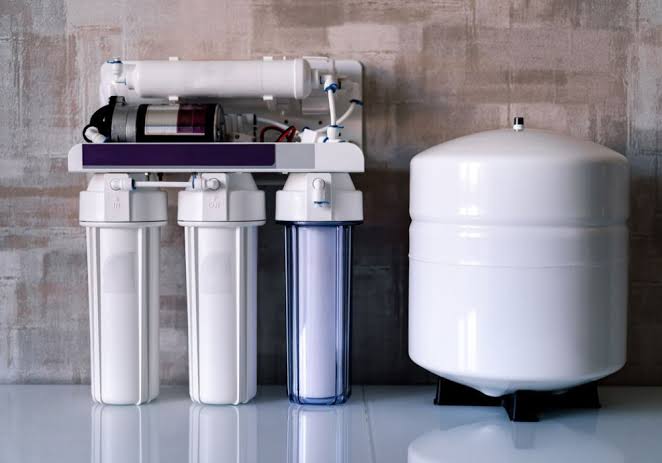
A reverse osmosis unit works differently again. It typically uses several stages of filtration and a specialized membrane to reduce a wide range of dissolved contaminants from drinking water.
Knowing what each component is designed to do makes maintenance much easier. You’ll also have a better idea of when something isn’t behaving normally.
Removals Aylesbury UK and Barking: Understanding Costs, Contracts, and Your Rights as a Customer
Replace Filters Before They Become a Problem
Filters don’t last forever. They collect the materials they are designed to remove, and eventually their performance can decline.
Waiting until a filter is completely exhausted isn’t a great strategy. A clogged filter can restrict flow, affect water pressure, and place additional strain on other components. In some cases, homeowners notice a change in taste or smell before realizing the filter needs attention.
The replacement schedule depends on the filter type, water quality, household size, and amount of water used. Manufacturer recommendations are a useful starting point, but your actual conditions matter too.
For example, a home with several people using a lot of water every day may go through filters faster than a small household. Well water with substantial sediment can also shorten filter life.
A good habit is to keep a simple note of when filters are installed and replaced. It takes less than a minute and saves you from guessing later.
Don’t Ignore Your Drinking Water System
For many families, the drinking-water unit gets used dozens of times a day. That makes routine maintenance especially important.
A reverse osmosis drinking water system generally includes multiple stages, such as sediment and carbon filtration, followed by a reverse osmosis membrane and sometimes a final polishing filter. Each stage has a purpose, so replacing only one component while ignoring the others may not provide the results you expect.
Pay attention to changes in production speed, taste, odor, and water flow. A noticeable decline doesn’t automatically mean the entire system needs replacing. Sometimes the cause is simply an exhausted pre-filter, low water pressure, or a membrane that has reached the end of its useful life.
If you’re unsure, having the system inspected can be much cheaper than replacing equipment unnecessarily.
Give Carbon Filters the Attention They Deserve
Carbon filtration is common because activated carbon can help reduce chlorine, certain odors, and various organic compounds. But carbon has a finite capacity.
A carbon filter that has been left in service far beyond its recommended life may no longer perform as intended. And because filters often look perfectly normal from the outside, appearance isn’t a reliable way to judge their condition.
Check the manufacturer’s replacement guidance and consider your household’s actual water consumption. If your water suddenly tastes different, develops an unusual smell, or loses some of its previous freshness, check the filter first.
This is one of those small maintenance tasks that’s easy to postpone. Then one day, you’re wondering why the water doesn’t taste like it used to.
Look for Small Warning Signs
Water treatment equipment usually gives clues before a major failure occurs. You just have to notice them.
Watch for:
- Reduced water pressure
- Unusual noises during operation
- Water leaking around fittings
- Changes in water taste or odor
- Increased scale on fixtures
- Cloudy or discolored water
- Unexpected increases in water usage
- Longer regeneration or filtration cycles
None of these signs automatically means something serious is wrong. Still, they deserve attention.
A small leak around a connection might be easy to correct. Ignoring it for months could result in cabinet damage, wasted water, or a much larger repair.
Avoid Premature Replacements
Homeowners sometimes replace equipment simply because it doesn’t seem to perform as well as it once did. That’s understandable, but it isn’t always necessary.
Before considering premature replacements, find out what’s actually causing the problem. A worn filter, damaged seal, incorrect setting, pressure issue, or neglected maintenance may be responsible.
Professional inspection can be particularly useful when the system is several years old. An experienced technician can assess individual components and determine whether repair or replacement makes more sense.
This approach can save money while also reducing unnecessary waste. Good equipment doesn’t necessarily need to be thrown away just because one part has reached the end of its service life.
Keep the Entire System in Good Shape
Water treatment equipment works as part of a larger plumbing environment. That’s why maintaining the system in top condition involves more than changing filters.
Keep the area around the equipment clean and dry. Don’t store heavy objects against tanks, tubing, or housings. Check visible connections occasionally, and make sure shutoff valves remain accessible.
If your system uses salt, pay attention to salt levels and the condition of the brine tank. Avoid allowing salt to form a hard bridge or buildup that interferes with normal operation. Follow the manufacturer’s instructions rather than adding products or chemicals that aren’t recommended.
For reverse osmosis systems, the storage tank, faucet, tubing, and drain connection deserve attention too. Small components matter more than they might seem.
Professional Maintenance Still Has a Place
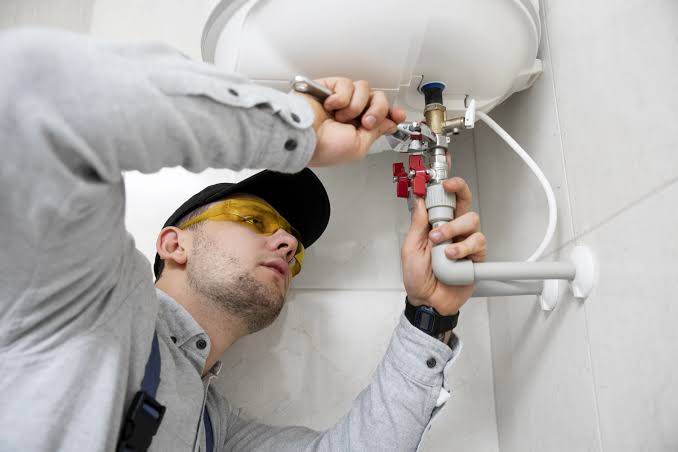
DIY maintenance is useful, but there are situations where professional help makes sense. If you notice persistent leaks, unexplained pressure loss, unusual noises, poor water quality, or repeated equipment failures, it’s better to have the system evaluated.
Professional servicing can also help identify issues that aren’t obvious from the outside. Water testing, pressure checks, membrane performance testing, and inspection of valves and fittings can provide a much clearer picture.
Most importantly, don’t wait for a complete failure before asking questions. Preventive service is usually less disruptive than emergency repair.
A Little Attention Goes a Long Way
A water treatment system isn’t something you need to obsess over. Think of it more like a car. You don’t replace the engine every time the oil needs changing, and you shouldn’t replace an entire water system simply because a filter needs attention.
Stay aware of filter schedules, watch for changes in water quality, inspect visible components, and deal with small problems early. When something seems unusual, investigate rather than guessing.
The result is pretty simple: better-performing equipment, cleaner and more enjoyable water, fewer avoidable repairs, and potentially a longer service life. Sometimes the best maintenance strategy isn’t complicated at all. It’s simply paying attention before a small issue has a chance to become a big one.