Blog

  • A Practical Guide to Guest Posts That Build Lasting Visibility

    Guest posting can introduce a business to readers beyond its own website, but the value depends on more than getting an article published. A useful contribution fits the publication, offers readers something they can apply, and supports a clear goal for the business behind it. Taking time to plan those details helps turn guest content into a thoughtful part of a broader marketing strategy.

    Start with a clear purpose

    Before approaching a publication, decide what you want the article to accomplish. You might be seeking referral traffic, stronger recognition in a particular industry, or a chance to explain a topic your own audience frequently asks about. These goals shape the sites you consider and the subjects you pitch.

    Be specific. “Get more exposure” is difficult to measure, while “reach small-business owners interested in improving their email process” gives you a more practical direction. A focused goal also makes it easier to judge whether a potential placement is relevant, even if its audience is smaller than that of a general-interest website.

    Choose publications for their audience

    Look beyond a site’s headline traffic claims. Read recent articles and ask whether the publication regularly covers your subject, whether its writing is useful and original, and whether its readers resemble the people you hope to reach. Check that the site is active and that its articles appear to receive genuine engagement. A placement on a relevant, carefully edited publication may be more useful than one on a larger site with little connection to your work.

    It is also worth reviewing the publication’s guidelines before proposing an article. Some editors prefer a pitch rather than a finished draft; others specify word counts, formatting, or limits on references to the author’s business. Respecting these expectations makes collaboration smoother and reduces the chance of producing work that cannot be used.

    Make the contribution worth reading

    A guest article should serve the publication’s readers first. Choose a question they are likely to have and answer it with clear steps, informed examples, or a perspective that adds something new. Avoid turning the piece into a product brochure. Readers are more likely to trust a contribution that explains a problem honestly, including trade-offs and limitations, than one that makes sweeping claims.

    Good preparation improves the final draft. Gather reliable information, check facts, and organize the article around a natural progression: define the issue, explain the options, and offer a practical conclusion. Use a link to your own site only when it gives readers a useful next step or supports a point. If a publication’s policy does not allow a particular link or type of promotion, follow its rules rather than trying to work around them.

    Understand paid placements

    Some businesses consider paid placements to save time or gain access to suitable publishing opportunities. If you plan to purchase guest posts, treat the decision as an editorial and business choice, not a shortcut to guaranteed results. Review what is included, how the publication is selected, who writes the content, and what happens if a draft needs changes. Ask for clear information about placement terms before committing.

    Be cautious of promises that focus only on rankings or large numbers of links. Search visibility can depend on many factors, and no single article guarantees a particular result. A sound placement should make sense to real readers even without a search benefit. Consider whether the topic, site, and final article would still be worthwhile if the link were not the main attraction.

    Plan the work and budget

    Guest content involves more than writing. Someone needs to research the publication, prepare a pitch, draft and edit the article, coordinate revisions, and keep track of publication details. Smaller teams may divide these tasks among staff or hire independent help for specific parts of the process. For a wider range of freelance work, Osdire is a marketplace where buyers can hire freelancers across more than 900 categories, including writing, design, programming, video, and marketing. Its flat pricing and payment held until a buyer approves delivered work can help make the terms of an order clearer.

    Set a budget that accounts for both placement costs and the time needed to create good material. Agree on the scope in advance: the subject, length, number of revisions, deadline, and any required author information. Clear expectations help prevent rushed drafts and misunderstandings later.

    Measure what happens afterward

    Once an article is published, record its URL, publication date, topic, and any agreed terms. Then review results against the goal you set. Referral visits, inquiries, newsletter sign-ups, and relevant audience feedback may provide useful signals. Some outcomes take time, so avoid judging a placement solely by a short-term change in traffic.

    Use what you learn to improve future work. If readers respond to practical examples, include more of them in your next pitch. If a site’s audience proves mismatched, refine your publication criteria. A considered approach—one that puts relevance, editorial quality, and clear expectations first—makes guest posting more sustainable and more valuable for both the publisher and the contributor.

  • Why Verified Water Treatment Quality Matters for Your Home

    Why Verified Water Treatment Quality Matters for Your Home

    Clean water is something most people expect without giving it much thought. We turn on the tap, fill a glass, cook dinner, wash vegetables, and move on with the day. But when water has an unpleasant taste, leaves scale on fixtures, or raises concerns about contaminants, that everyday confidence can quickly disappear.

    Choosing a water treatment provider is not simply about buying a filter or installing a purification unit. It’s about knowing whether the equipment works as promised, whether the company follows reliable standards, and whether the water treatment process is supported by evidence rather than vague claims. In a market full of confusing labels and bold promises, verified quality matters more than ever.

    What Does Water Treatment Quality Really Mean?

    Water treatment quality involves much more than making water look clear. Some contaminants are invisible, odorless, and tasteless. Depending on the source, water may contain sediment, chlorine, heavy metals, bacteria, minerals, or other substances that require specific treatment methods.

    A quality-focused provider begins by understanding the water itself. This may involve reviewing local water reports, conducting a water test, or identifying issues commonly found in the area. The goal is to recommend a treatment method based on actual water conditions instead of selling the same system to every household.

    Reliable treatment also means that equipment is correctly sized, properly installed, and maintained over time. Even a high-quality filter can perform poorly if it is installed incorrectly or left unchanged long after its service life.

    Why Certification and Testing Matter

    When a company describes its products as certified, that statement should have meaning behind it. Certifications can indicate that a product has been evaluated against specific performance, safety, or material standards by a recognized organization.

    For homeowners, certified quality you can trust means looking beyond marketing language. It means checking what the certification covers and whether it applies to the exact model being offered. A product may be certified for reducing one contaminant but not necessarily every substance mentioned in a sales conversation.

    This distinction is important. For example, a system designed to reduce chlorine may improve taste and odor, but that does not automatically mean it removes dissolved metals, bacteria, or PFAS. Certification and performance claims should always be connected to a clearly defined purpose.

    Understanding Different Water Treatment Systems

    Not all water problems are the same, so no single solution works for every home. Different water treatment systems are designed to address different concerns.

    Water softeners are commonly used to reduce hardness caused by minerals such as calcium and magnesium. Hard water can create scale inside plumbing, reduce soap performance, and leave spots on glassware. A softener can help protect appliances and make cleaning easier, although it is not designed to remove every contaminant.

    Whole-home filtration systems treat water as it enters the property. These systems may target sediment, chlorine, unpleasant odors, or other specific concerns, depending on the filter media used. Their main advantage is convenience because treated water can be supplied throughout the home.

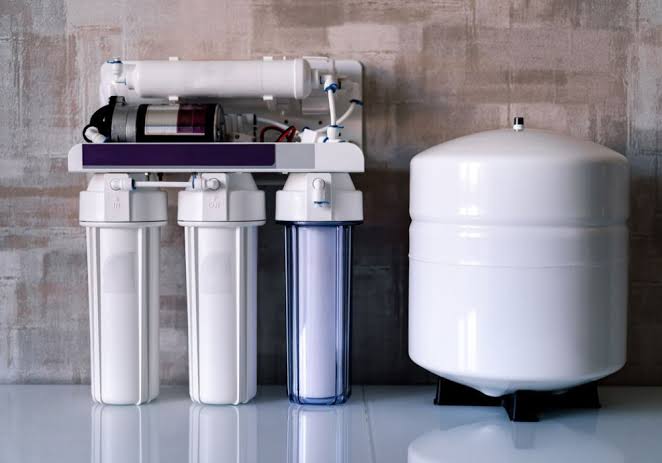
    Reverse osmosis systems are often installed at a kitchen sink or another point of use. They can reduce a broad range of dissolved substances, depending on the membrane and configuration. Many households choose reverse osmosis for drinking and cooking water, especially when taste or specific contaminant concerns are involved.

    UV purification systems work differently. They use ultraviolet light to inactivate certain microorganisms without adding chemicals to the water. However, UV treatment does not remove sediment, minerals, or chemical contaminants, so pre-filtration may be necessary.

    The right choice depends on the water source, household needs, budget, and maintenance expectations.

    Independent Verification Adds Another Layer of Confidence

    A company’s own statement about product performance is useful, but independent evaluation offers a stronger basis for comparison. Independently verified quality suggests that claims have been reviewed or tested outside the company’s own marketing department.

    This may include third-party laboratory testing, recognized certification programs, documented performance data, or compliance with established industry standards. Such evidence helps customers understand what a product can realistically do.

    Still, independent verification should be examined carefully. Look for details such as the testing organization, the date of testing, the contaminants evaluated, and the conditions under which the system was tested. A laboratory result from a controlled environment may not perfectly represent every household’s water conditions.

    That doesn’t make testing unhelpful. It simply means customers should read claims with a practical eye. Good information explains both the strengths and limitations of a product.

    Installation Quality Is Just as Important

    Even the best equipment cannot compensate for poor installation. Incorrect plumbing connections, inadequate flow rates, unsuitable placement, or missing pre-filters can reduce system performance and create avoidable problems.

    A professional installer should assess water pressure, available space, drainage requirements, electrical needs, and the household’s daily water usage. They should also explain how the system operates and what the homeowner needs to do after installation.

    For example, a reverse osmosis system may require a storage tank, drain connection, and periodic filter replacement. A whole-home system may need a bypass valve and enough clearance for future servicing. These details may seem small, but they make a major difference in long-term reliability.

    A trustworthy provider won’t rush through the installation just to finish the job. They’ll make sure the system is safe, accessible, and appropriate for the property.

    Maintenance Keeps Quality Consistent

    Water treatment equipment is not a one-time purchase that can be forgotten. Filters become saturated, membranes lose efficiency, and moving components may require inspection. The maintenance schedule depends on the type of system, water usage, and the quality of the incoming water.

    Homeowners should know how often filters need to be replaced, what warning signs to watch for, and whether professional servicing is recommended. A sudden change in taste, reduced water pressure, unusual noise, leaks, or visible scale may indicate that a system needs attention.

    Keeping service records can also be helpful. They provide a simple history of filter changes, repairs, and water testing. This is particularly useful when several people share responsibility for home maintenance.

    Questions to Ask Before Choosing a Provider

    Before committing to a water treatment company, ask a few direct questions:

    • What specific water problem is this system designed to solve?
    • Has the product been tested or certified by a recognized organization?
    • What contaminants does it reduce, and what does it not remove?
    • Is a water test included before making a recommendation?
    • What are the installation and ongoing maintenance costs?
    • How often must filters, membranes, or other components be replaced?
    • Is service available if the system stops working?
    • Can the company provide written performance information?

    The answers can reveal a great deal. A responsible provider should be comfortable explaining technical details in plain language. If the salesperson avoids questions, makes unrealistic promises, or insists that one system solves every water issue, it may be worth taking a step back.

    Making a Confident, Informed Choice

    Water quality affects comfort, household maintenance, and peace of mind. That’s why selecting a treatment system deserves more attention than comparing prices alone. A low-cost unit may become expensive if it needs frequent replacement or fails to address the actual problem. On the other hand, the most expensive system is not automatically the right one.

    The best approach is practical: understand your water, identify the contaminants or issues that matter, review credible performance information, and choose equipment that fits your home and habits. Look for transparent providers who explain certification, testing, installation, and maintenance without hiding behind complicated language.

    In the end, quality water treatment is about more than a product sitting beneath the sink or beside the main water line. It’s about dependable performance, honest information, and a system you can rely on long after installation day. That kind of confidence is worth choosing carefully.

  • Removals Aylesbury UK and Barking: Understanding Costs, Contracts, and Your Rights as a Customer

    Removals Aylesbury UK and Barking: Understanding Costs, Contracts, and Your Rights as a Customer

    Signing up for a removals service means handing over your belongings, quite literally, to a company you may never have used before. Yet many people go into this process without fully understanding what they’re agreeing to, what protections they actually have, or how pricing structures really work. That gap in understanding is exactly where disputes and disappointments tend to arise, whether the move happens in Aylesbury or Barking.

    This article looks at the practical side of engaging a removals company: how contracts typically work, what your rights are if something goes wrong, and how to read a quote properly before signing anything.

    Understanding What You’re Actually Agreeing To

    Most removals bookings involve some form of written agreement, even if it’s a simple confirmation email rather than a lengthy formal contract. This document should set out the agreed price, the scope of work, the date and time, and what happens if things don’t go entirely to plan. Reading this carefully before confirming a booking matters more than most people assume, since verbal promises made over the phone don’t carry the same weight if a dispute arises later.

    Pay particular attention to cancellation policies. Life circumstances change, and moving dates sometimes shift due to factors entirely outside your control, like a delayed property completion. Understanding what notice period is required to cancel or reschedule without penalty, and what fees might apply if you need to change plans close to the date, avoids an unpleasant surprise on top of an already stressful situation.

    What a Fair Contract Typically Includes

    • A clear breakdown of the total price and what it covers
    • Cancellation or rescheduling terms, including any applicable fees
    • Details of insurance coverage for goods in transit
    • What happens if the job takes longer than estimated, whether that’s a fixed price or an hourly increase

    If any of these elements are missing or vague in what you’re offered, it’s reasonable to ask directly for clarification before signing anything.

    How Insurance Actually Works for Removals

    One of the most misunderstood aspects of hiring a removals company is insurance coverage. Reputable firms carry goods-in-transit insurance, which covers accidental damage or loss during the move itself. However, this coverage often comes with limits, both in terms of overall value and sometimes per individual item.

    If you own anything of significant value, whether that’s antique furniture, expensive electronics, or sentimental items that would be difficult to replace, it’s worth asking specifically whether the standard policy covers this adequately or whether additional coverage needs arranging. Some companies offer this as an add-on, while others may suggest you arrange separate coverage through your own home contents insurance for particularly valuable items.

    Steps to Take Before Moving Day

    1. Ask for written confirmation of what the insurance policy covers and any exclusions
    2. Photograph valuable or fragile items before the move as evidence of their condition beforehand
    3. Clarify the claims process in advance, including any time limits for reporting damage
    4. Consider additional coverage for anything that falls outside standard policy limits

    Having this conversation before the move, rather than after something goes wrong, puts you in a considerably stronger position if a claim ever needs to be made.

    Choosing Removals Aylesbury UK Companies With Confidence

    For anyone comparing Removals Aylesbury UK providers, checking membership of a recognised trade association is a genuinely useful starting point. Membership typically requires adherence to a code of practice covering areas like complaint handling, insurance minimums, and general service standards, which offers a layer of reassurance beyond simply trusting a company’s own marketing claims.

    It’s also worth checking whether a company has a clear, accessible complaints procedure. Ask directly what happens if you’re unhappy with some aspect of the service, and whether there’s an independent body you can escalate concerns to if the company itself doesn’t resolve things satisfactorily. A company confident in the quality of its service tends to answer this openly, rather than deflecting the question.

    Red Flags Worth Taking Seriously

    • Reluctance to provide anything in writing beyond a verbal quote
    • No clear answer about insurance coverage or claims processes
    • Requests for full payment upfront before any work has been carried out
    • Vague or evasive responses when asked about trade association membership or accreditation

    None of these signs alone necessarily mean a company is dishonest, but several appearing together is a reasonable basis for looking elsewhere.

    Barking Movers: What to Check Before You Commit

    Anyone researching Removals Barking UK companies should pay particular attention to how clearly pricing is presented, given the additional variables that often apply in urban London moves, such as parking suspension costs or congestion charge considerations. Ask for these to be itemised separately from the core removal cost, rather than folded into a single unclear total, so you understand exactly what you’re paying for.

    It’s also sensible to ask how a company handles disputes over damaged items specifically. Request a written outline of the claims process, including reasonable timeframes for reporting damage and how compensation is typically calculated. A company with a clear, straightforward process tends to be more trustworthy than one that seems uncertain or inconsistent when asked directly.

    Questions That Reveal How a Company Actually Operates

    • What’s your process if an item gets damaged during the move?
    • Is there a time limit for reporting damage after the move is complete?
    • How is compensation calculated for damaged or lost items?
    • Can you provide references or reviews from previous customers in this specific area?

    What to Do If Something Goes Wrong

    Despite best efforts, occasional issues do arise, whether that’s minor damage to an item or a disagreement about the final invoice. If this happens, start by raising the issue directly with the company in writing, referencing the original agreement and any photographic evidence you have of the item’s condition beforehand.

    If the company doesn’t respond satisfactorily, check whether they’re a member of a trade association with a formal complaints procedure, since this can offer an independent route to resolution. Keeping clear records throughout the process, including all correspondence and photographs, strengthens your position considerably if a dispute needs to be escalated further.

    Frequently Asked Questions

    What should a removals contract include as standard?

    A clear price breakdown, cancellation terms, insurance details, and an outline of what happens if the job runs longer than expected.

    Does standard removals insurance cover high-value items?

    Not always fully. Standard policies often have coverage limits per item, so it’s worth asking specifically about additional coverage for anything particularly valuable.

    What should I do if my belongings are damaged during a move?

    Report the damage in writing as soon as possible, referencing any photographs taken beforehand, and follow the company’s outlined claims process.

    How can I check if a removals company is reputable?

    Look for membership of a recognised trade association, ask for a clear complaints procedure, and request references or reviews from previous customers in your area.

    Is it normal to pay the full amount upfront?

    This varies, but a request for complete payment before any work begins is worth questioning. Many reputable companies take a deposit with the balance due on or after completion.

    What happens if I need to cancel or reschedule my move?

    This depends on the company’s specific terms, so check the cancellation policy before booking to understand any notice periods required and potential fees involved.

  • Silver Rate: Understanding the Bullion Market

    Silver Rate: Understanding the Bullion Market

    Silver has long held a place in Indian households, not just as an ornament or gifting choice but as an investment avenue that sits alongside gold in the broader bullion market. Tracking the Silver Rate Today has become a regular habit for many investors, traders, and even jewellers who need to price their inventory accurately. At the same time, movements in the Sensex Today often draw attention from the same set of market watchers, since equity and commodity markets frequently react to overlapping economic triggers. Understanding how silver prices are determined, and how they relate to broader financial indicators, can help investors make more informed decisions.

    What Drives Silver Prices

    Silver, unlike gold, has a dual identity. It is both a precious metal used for investment and jewellery, and an industrial input used in electronics, solar panels, and various manufacturing processes. This dual demand means that silver prices respond to a wider set of factors compared to gold.

    Global silver prices are primarily set in international markets, with London and New York serving as key pricing hubs. In India, the Silver Rate Today is derived from international spot prices, adjusted for the rupee-dollar exchange rate, import duties, and local demand-supply conditions. When the rupee weakens against the dollar, imported silver tends to become costlier, even if international prices remain stable.

    Industrial demand plays a notable role as well. Silver is a key component in solar panel manufacturing, and as renewable energy adoption grows globally, industrial consumption of silver has been rising. This adds a layer of demand that is somewhat independent of investment sentiment, making silver prices behave differently from gold at times.

    Silver and the Broader Market Connection

    While silver is a commodity and the Sensex Today reflects equity market performance, the two are not entirely disconnected. Both respond to similar macroeconomic forces such as interest rate decisions, inflation data, and global risk sentiment. When there is uncertainty in equity markets, some investors shift a portion of their portfolio toward precious metals, including silver, as a way to diversify risk. Conversely, when equity markets are performing well and risk appetite is high, allocation toward bullion can moderate.

    This is why investors who track the Sensex Today alongside the Silver Rate Today often get a more rounded view of overall market sentiment. A rising equity market combined with steady bullion prices might indicate broad economic confidence, while volatility in both segments simultaneously could point to wider uncertainty, such as geopolitical tensions or global monetary policy shifts.

    Factors to Watch in the Bullion Market

    For those following silver prices regularly, a few recurring factors are worth monitoring:

    Currency movements: Since silver is priced internationally in dollars, any change in the rupee-dollar exchange rate directly affects the domestic Silver Rate Today, independent of what happens to the metal’s price abroad.

    Central bank policy: Interest rate decisions by major central banks influence the opportunity cost of holding non-yielding assets like silver. Lower interest rates can make bullion relatively more attractive compared to interest-bearing instruments.

    Industrial demand trends: Growth in sectors like electronics and renewable energy can add upward pressure on silver demand, separate from its role as an investment metal.

    Seasonal demand in India: Festive and wedding seasons in India traditionally see higher physical demand for silver, which can influence local premiums over and above international pricing.

    Global risk sentiment: Geopolitical developments, trade tensions, or economic slowdowns can push investors toward safe-haven assets, affecting both silver and, indirectly, equity indices tracked through the Sensex Today.

    How Investors Approach Silver

    Investment in silver can take several forms. Physical silver, in the form of coins, bars, or jewellery, remains common, though it comes with considerations around storage and making charges. Silver exchange-traded funds and sovereign-backed instruments offer a paper-based alternative, allowing exposure to price movements without the need for physical storage. Some investors also participate through commodity futures, though this route involves more active monitoring and carries higher risk due to leverage.

    For most retail investors, a measured approach works better than trying to time short-term price swings. Since silver prices can be more volatile than gold due to its industrial demand component, sudden price movements are not unusual. Keeping a long-term perspective, and viewing silver as part of a diversified portfolio rather than a standalone bet, tends to be a more sustainable approach.

    Conclusion

    The bullion market, and silver in particular, offers a useful lens into broader economic conditions. Its dual role as both an industrial input and an investment asset makes its price movements worth understanding in context, rather than in isolation. Keeping an eye on the Silver Rate Today, alongside broader indicators like the Sensex Today, can help investors build a more complete picture of market conditions. As with any investment decision, understanding the underlying drivers, rather than reacting to daily price changes, remains a sound approach for anyone looking to include silver as part of their financial planning.

    Disclaimer: This article is for educational and informational purposes only and should not be considered investment advice. Investments are subject to market risks. Past performance does not guarantee future returns. Investors should assess their financial goals and risk appetite and consult a qualified financial advisor before making investment decisions.

  • The Notification Trap: How Constant Alerts Are Stealing Your Focus

    The Notification Trap: How Constant Alerts Are Stealing Your Focus

    How often do you take a break from whatever you are doing just to see what is on the notification? Be it an email from work, social media updates, messages, or notifications from apps, continuous notifications are becoming part of our lives.

    Even though each interruption might take only a few seconds, numerous alerts will make it more difficult to focus and complete actual, important tasks. In a world where staying connected is easier than ever before, we must learn how to safeguard our attention – a very crucial habit in today’s modern society.

    Why Notifications Are So Distracting

    Notifications are made to seize your attention. A sound, a vibration, or a flashing banner will instantly signal that something is different, making you want to check it out. For Lucknow escorts, this unpredictability can make alerts quite hard to ignore because you have no idea if the next one will be important, interesting, or rewarding.

    This may lead to a lot of task switching. Rather than really focusing on one activity, your attention jumps between work and whatever has just popped up on your screen. Even if an alert looks pretty minor, it can break your mental flow.

    How Constant Alerts Affect Productivity

    Constant interruptions will have a surprisingly big total impact over time. A study done by the University of California, Irvine, showed that it took employees, on average, 23 minutes and 15 seconds to get back to their work after being interrupted. Although not all notifications lead to such a long break, the finding shows just how expensive interruptions could be.

    Continuous alerts might contribute to:

    • Less concentration and attention
    • More frequent task changes
    • Longer time taken to complete tasks
    • Greater mental fatigue
    • Difficulty managing difficult work

    The problem isn’t really the few seconds you spend looking at your phone. It’s the actual mental effort required to take your attention away from one task and then build back your concentration.

    The Hidden Impact on Everyday Life

    The notification trap goes beyond work and productivity. A phone buzzing during dinner interrupts a conversation. An alert while you are reading will break your concentration. Looking at messages very late at night will also make it even more difficult to establish a peaceful, screen-free bedtime routine.

    When every instance can be interrupted, then it’s going to be very hard to be fully present. You might actually be speaking with someone while mentally wondering what’s just appeared on your phone. So, creating some time frames where there are no notifications will improve both your productivity and day-to-day relationships.

    5 Simple Ways to Escape the Notification Trap

    1. Turn Off Non-Essential Alerts

    Begin by reviewing your notification settings. Turn off alerts from applications that don’t need your immediate attention. Be sure to keep your most important lines of communication active, especially for connections with Surat call girls, while reducing unwanted interruptions.

    2. Use Focus or Do Not Disturb Modes

    Make use of your phone’s integrated focus functions. Establish periods free from distractions for your work, studying, reading, physical activity, or relaxation time.

    3. Schedule Notification Check-Ins

    Instead of jumping to every single notification that comes up, you should determine when exactly you are going to look at your messages and emails. With such an approach, you will gain much more control over your focus.

    4. Remove Distracting Apps From Your Home Screen

    By moving your social media and entertainment applications off your main screen, you will find it easier to resist the urge to glance at them automatically.

    5. Create Notification-Free Zones

    Be sure to keep your phone away from your table during meals, during important conversations, during those periods when you are intensely focused on your work, and even when spending quality time with Pune escorts. The establishment of small boundaries will really make a difference.

    Final Thoughts

    You don’t have to get rid of notifications entirely to regain your concentration. Begin with silencing those unwanted alerts and create clear, notification-free periods. When you make your attention your priority, then you will be able to stay really focused, cut down on distractions, and feel much more present all day long. Remember, not every ping really needs your attention.

  • Why Quality Vehicle Wraps Depend on Materials, Skill, and Inspection

    Why Quality Vehicle Wraps Depend on Materials, Skill, and Inspection

    A vehicle wrap can make an ordinary van, truck or car look completely different. For a business, it can also turn everyday driving into a form of advertising. But while most people notice the finished colors and graphics, the real quality of a wrap is often determined by things they never see—material selection, surface preparation, installation technique and what happens after the vinyl has been applied.

    That’s why choosing a wrap provider shouldn’t come down to price alone. A professional-looking result is a process, not simply a product.

    Whether you’re branding one company van or an entire fleet, understanding what goes into a quality installation can help you make a smarter decision and avoid headaches later.

    Start With the Right Material

    Vehicle vinyl needs to handle a surprisingly tough environment.

    Sunlight, rain, road dust, temperature changes and frequent washing can all affect a graphic over time. The material therefore needs to be selected according to the vehicle and the intended application.

    A manufacturer such as 3M offers a range of graphic films designed for different uses. 3m mcs is particularly relevant when discussing systems where matched components and production requirements are important for maintaining expected performance.

    For a business owner, the takeaway is fairly simple: don’t assume every vinyl product will behave the same way.

    Ask what film is being used, whether it is appropriate for the vehicle, and what kind of lifespan you should realistically expect.

    Avery Materials Bring Another Option

    3M isn’t the only major name in the graphics industry. Avery Dennison also produces films for vehicle wraps and commercial graphics, with products designed around different applications and surfaces.

    avery ics-certified cast films can be an option for projects where conformability, durability and professional application are priorities.

    The important thing isn’t picking a brand simply because its name is familiar. The film needs to match the project.

    A delivery van that spends most of its day outdoors has different requirements from a short-term promotional vehicle. A complicated body shape may also require a highly conformable material.

    A good installer should be able to explain why a particular product has been selected instead of simply saying, “This is what we always use.”

    Surface Preparation Is Easy to Underestimate

    Before vinyl touches the vehicle, the surface needs to be properly prepared.

    Dust, grease, wax, road grime and other contaminants can interfere with adhesion. Small imperfections may also become more noticeable beneath a smooth film.

    Professional preparation typically includes a thorough cleaning and inspection of the vehicle. Difficult areas such as door edges, seams, handles and recessed panels deserve particular attention.

    Existing paint damage should also be discussed before installation.

    If paint is already loose or poorly bonded, removing vinyl later may expose or worsen an existing problem. A responsible installer should point this out before starting rather than discovering it halfway through the job.

    Design Should Be Made for the Vehicle

    A vehicle isn’t a flat billboard.

    Doors open. Handles interrupt panels. Curves change the way images appear. Windows and mirrors create visual boundaries.

    Good wrap design takes all of this into account.

    For commercial vehicles, the company name should be easy to recognize. Contact details should remain readable, and the primary service should be obvious without requiring someone to study the vehicle.

    This is particularly important because most people see branded vehicles briefly. A driver may have only a few seconds to notice the graphics before traffic moves again.

    Simple, bold communication often works better than trying to fit an entire brochure onto four wheels.

    Installation Requires Patience

    Once the artwork is ready, the installer has to translate a digital design onto a three-dimensional object.

    That means managing large sheets of vinyl around curves, edges, recesses and other complicated areas. Stretching the material too aggressively can affect its appearance and performance.

    Experienced installers know when to slow down.

    Sometimes a section needs to be lifted and repositioned. Sometimes the material needs gentle heat or a different application technique. Trying to finish as quickly as possible isn’t necessarily a sign of efficiency.

    In wrapping, careful work is often faster than fixing mistakes later.

    Edges and Recesses Deserve Extra Attention

    The large side panels are usually the easiest part of a wrap to admire.

    But the smaller details often tell you whether the installation was genuinely professional.

    Look closely around door handles, wheel arches, mirrors, seams and panel edges. These areas need to be finished cleanly because lifting or poorly managed vinyl can become noticeable over time.

    A good wrap should look finished from close range, not just from across a parking lot.

    That’s also why an experienced installer can be worth the investment. Vehicle wrapping is a specialized skill, particularly when the vehicle has complex bodywork.

    Why the Final Inspection Matters

    The job isn’t finished simply because the last piece of vinyl has been applied.

    A proper post-install inspection gives the installer an opportunity to check edges, seams, graphics alignment and areas that may need additional attention.

    This final review can catch small problems before the vehicle goes back into daily service.

    It also gives the customer a chance to walk around the vehicle and ask questions. How should it be washed? Are there areas that need special care? When can the vehicle return to normal cleaning?

    Those conversations are useful because proper maintenance starts with knowing what has actually been installed.

    Maintenance Keeps the Wrap Looking Its Best

    A quality wrap still needs basic care.

    Regular washing can remove dirt, dust and road grime before they build up. However, abrasive brushes and harsh chemicals can damage some vinyl finishes.

    Owners should follow the material manufacturer’s recommendations and remove contaminants such as bird droppings or tree sap relatively quickly.

    It’s not difficult maintenance. Just sensible maintenance.

    A few minutes spent cleaning the vehicle regularly can help preserve the appearance of the graphics and make small problems easier to spot.

    Don’t Judge a Wrap by the Price Alone

    A cheap quote can look attractive at first.

    But if the provider uses unsuitable material, skips preparation or rushes installation, the savings may disappear when repairs or replacement become necessary.

    Instead, compare the whole service.

    Ask about the film brand and product, installation experience, warranty terms, preparation process and aftercare instructions. Look at previous work if possible. A strong portfolio can tell you more than a sales pitch.

    Quality Is a Combination of Small Decisions

    There isn’t one magic ingredient behind a great vehicle wrap.

    It’s the combination of suitable materials, accurate design, careful preparation, skilled installation and thorough inspection.

    A branded vehicle represents your business whenever it leaves the driveway. It may be parked outside a customer’s home, traveling across town or sitting in traffic beside hundreds of other vehicles.

    You want people to remember the company—not the bubbles, lifting edges or poorly aligned graphics.

    When the right materials and craftsmanship come together, the result feels almost effortless. That’s the beauty of a professional wrap: all the hard work happens behind the scenes, leaving you with a vehicle that looks clean, confident and ready to represent the brand wherever the road takes it.

  • How to Keep Your Water Treatment System Working Smoothly for Years

    How to Keep Your Water Treatment System Working Smoothly for Years

    Clean, reliable water is something most homeowners barely think about until there’s a problem. A strange taste, cloudy glass, stubborn scale around the faucet, or a sudden drop in water pressure can quickly turn an ordinary day into a plumbing headache. The good news is that many water treatment problems don’t appear overnight. With a little attention and sensible maintenance, you can help your equipment work efficiently and avoid unnecessary service calls.

    Whether your home uses filtration, softening, or reverse osmosis technology, regular care matters. It’s not about constantly fussing over the equipment. Rather, it’s about noticing small changes before they become expensive ones.

    Understand What Your Water Treatment System Does

    Before maintaining any equipment, it helps to understand its job. Different systems solve different water-quality concerns, and treating them as though they all work the same way can lead to poor maintenance decisions.

    For households dealing with hard water, water softeners can help reduce minerals such as calcium and magnesium that contribute to scale. Filtration systems, meanwhile, may target sediment, chlorine, odors, or other unwanted substances depending on their design.

    A reverse osmosis unit works differently again. It typically uses several stages of filtration and a specialized membrane to reduce a wide range of dissolved contaminants from drinking water.

    Knowing what each component is designed to do makes maintenance much easier. You’ll also have a better idea of when something isn’t behaving normally.

    Replace Filters Before They Become a Problem

    Filters don’t last forever. They collect the materials they are designed to remove, and eventually their performance can decline.

    Waiting until a filter is completely exhausted isn’t a great strategy. A clogged filter can restrict flow, affect water pressure, and place additional strain on other components. In some cases, homeowners notice a change in taste or smell before realizing the filter needs attention.

    The replacement schedule depends on the filter type, water quality, household size, and amount of water used. Manufacturer recommendations are a useful starting point, but your actual conditions matter too.

    For example, a home with several people using a lot of water every day may go through filters faster than a small household. Well water with substantial sediment can also shorten filter life.

    A good habit is to keep a simple note of when filters are installed and replaced. It takes less than a minute and saves you from guessing later.

    Don’t Ignore Your Drinking Water System

    For many families, the drinking-water unit gets used dozens of times a day. That makes routine maintenance especially important.

    A reverse osmosis drinking water system generally includes multiple stages, such as sediment and carbon filtration, followed by a reverse osmosis membrane and sometimes a final polishing filter. Each stage has a purpose, so replacing only one component while ignoring the others may not provide the results you expect.

    Pay attention to changes in production speed, taste, odor, and water flow. A noticeable decline doesn’t automatically mean the entire system needs replacing. Sometimes the cause is simply an exhausted pre-filter, low water pressure, or a membrane that has reached the end of its useful life.

    If you’re unsure, having the system inspected can be much cheaper than replacing equipment unnecessarily.

    Give Carbon Filters the Attention They Deserve

    Carbon filtration is common because activated carbon can help reduce chlorine, certain odors, and various organic compounds. But carbon has a finite capacity.

    A carbon filter that has been left in service far beyond its recommended life may no longer perform as intended. And because filters often look perfectly normal from the outside, appearance isn’t a reliable way to judge their condition.

    Check the manufacturer’s replacement guidance and consider your household’s actual water consumption. If your water suddenly tastes different, develops an unusual smell, or loses some of its previous freshness, check the filter first.

    This is one of those small maintenance tasks that’s easy to postpone. Then one day, you’re wondering why the water doesn’t taste like it used to.

    Look for Small Warning Signs

    Water treatment equipment usually gives clues before a major failure occurs. You just have to notice them.

    Watch for:

    • Reduced water pressure
    • Unusual noises during operation
    • Water leaking around fittings
    • Changes in water taste or odor
    • Increased scale on fixtures
    • Cloudy or discolored water
    • Unexpected increases in water usage
    • Longer regeneration or filtration cycles

    None of these signs automatically means something serious is wrong. Still, they deserve attention.

    A small leak around a connection might be easy to correct. Ignoring it for months could result in cabinet damage, wasted water, or a much larger repair.

    Avoid Premature Replacements

    Homeowners sometimes replace equipment simply because it doesn’t seem to perform as well as it once did. That’s understandable, but it isn’t always necessary.

    Before considering premature replacements, find out what’s actually causing the problem. A worn filter, damaged seal, incorrect setting, pressure issue, or neglected maintenance may be responsible.

    Professional inspection can be particularly useful when the system is several years old. An experienced technician can assess individual components and determine whether repair or replacement makes more sense.

    This approach can save money while also reducing unnecessary waste. Good equipment doesn’t necessarily need to be thrown away just because one part has reached the end of its service life.

    Keep the Entire System in Good Shape

    Water treatment equipment works as part of a larger plumbing environment. That’s why maintaining the system in top condition involves more than changing filters.

    Keep the area around the equipment clean and dry. Don’t store heavy objects against tanks, tubing, or housings. Check visible connections occasionally, and make sure shutoff valves remain accessible.

    If your system uses salt, pay attention to salt levels and the condition of the brine tank. Avoid allowing salt to form a hard bridge or buildup that interferes with normal operation. Follow the manufacturer’s instructions rather than adding products or chemicals that aren’t recommended.

    For reverse osmosis systems, the storage tank, faucet, tubing, and drain connection deserve attention too. Small components matter more than they might seem.

    Professional Maintenance Still Has a Place

    DIY maintenance is useful, but there are situations where professional help makes sense. If you notice persistent leaks, unexplained pressure loss, unusual noises, poor water quality, or repeated equipment failures, it’s better to have the system evaluated.

    Professional servicing can also help identify issues that aren’t obvious from the outside. Water testing, pressure checks, membrane performance testing, and inspection of valves and fittings can provide a much clearer picture.

    Most importantly, don’t wait for a complete failure before asking questions. Preventive service is usually less disruptive than emergency repair.

    A Little Attention Goes a Long Way

    A water treatment system isn’t something you need to obsess over. Think of it more like a car. You don’t replace the engine every time the oil needs changing, and you shouldn’t replace an entire water system simply because a filter needs attention.

    Stay aware of filter schedules, watch for changes in water quality, inspect visible components, and deal with small problems early. When something seems unusual, investigate rather than guessing.

    The result is pretty simple: better-performing equipment, cleaner and more enjoyable water, fewer avoidable repairs, and potentially a longer service life. Sometimes the best maintenance strategy isn’t complicated at all. It’s simply paying attention before a small issue has a chance to become a big one.

  • The Creative Journey of Music Production

    The Creative Journey of Music Production

    Before a song can find its way into one’s earphones, fill a concert venue, or make someone’s memories all the more cherished, there is another place where it first appears. It appears as an idea, which sometimes is nothing but just humming of a tune, tapping of a beat, and scribbling of lyrics. Nothing seems complete at this stage, but the possibilities are endless.

    Music production is an amazing process through which all these fragile ideas transform into something that can move people to the core. It is the process of combining creativity and imagination and putting it into something tangible. While the listener enjoys the completed song, what happens behind the scenes is full of exploration and experimentation.

    Creativity Arrives Before Perfection

    Most individuals have an image of how professional music production starts from a studio that is filled with high-end equipment. However, the first thing that should be noted is the fact that one very essential element emerges much earlier. It is rare that any creative idea comes fully developed. For instance, what was initially just a mere melody could turn into a full orchestration, much like the creative inspiration that Delhi escorts may bring to artistic and musical expression.

    A simple rhythm might transform into an exciting chorus. Words could evolve into songs that follow individuals throughout their lives. A good music producer allows ideas to emerge without making any quick judgment on them. The process of creativity requires more exploration than perfection.

    Every Layer Adds Another Emotions

    Hearing a complete song seems easy, as all musical elements come together so effortlessly to create an emotion-filled experience. Yet there is a lot more that goes on behind this seeming ease of execution, a meticulous process of putting everything together.

    For instance, a solo piano will bring a vulnerability, gentle percussion will make things move, strings will provide warmth, and backing vocals will help create depth, and textures will fill all those areas that you might not even realize, but without which you would immediately miss something. Even the subtle emotional qualities appreciated by Hyderabad escorts can be enhanced through thoughtful layering and arrangement. In music production, it is like painting with sound; every layer adds a new aspect and every decision is going to impact how the listener feels.

    The Producer Learns to Listen Beyond the Notes

    The creation of music is not only about hearing the instruments or recognizing the melodies; it is also about knowing how to listen in depth. Good production means realizing how each sound, as well as the silence, adds up to the emotional essence of the song.

    The anticipation created by the pause before a chorus, the space left for the emotions to develop in the verse, and cutting out everything that is not necessary can enhance the power of the sounds that are still left. Producers gain the ability to hear beyond what is already there in the track, always asking themselves if each sound serves the story and the emotions and leads the listener through the music.

    Mistakes Often Lead to the Best Discoveries

    However, not all unintended sounds are problems. Some turn into sources of inspiration. Throughout the history of music creation, there are numerous examples of creative discoveries that happened accidentally. Unintended rhythms. Unintended recording of vocals. The unintended interaction of instruments, which creates an entirely new ambiance, much like the unexpected creativity often appreciated by Pune escorts.

    Being curious about music creation gives great rewards since these kinds of situations often result in innovations that are not possible to discover in any other way except for being open to mistakes. Sometimes the sound nobody was expecting turns out to be the sound everyone remembers.

    Let’s Sum Up

    The art of music production goes way beyond recording musical instruments and sound arrangements. It is the process of bringing thoughts invisible to the naked eye to life in such a way that they can inspire, console, motivate, and connect people regardless of their cultural background and age groups. All melodies come from imagination, all sound arrangements depend on patience and creativity, and all finished pieces of songs have thousands of decisions behind them which the listeners do not even realize.

    While technology, equipment, and technical skills are very important factors, they are always secondary to the curiosity, passion, and dedication of the artists themselves. No matter how complex and perfect a piece of music is, the one that touches the soul of a person is the best. Music production teaches us that amazing things can start from the simplest of beginnings.

  • Early Signals Help Astute Traders Win in Indian Equity Markets

    Early Signals Help Astute Traders Win in Indian Equity Markets

    In the high-stakes world of Indian equity trading, information advantage is everything. Before most retail investors even switch on their trading terminals, professional traders have already absorbed the latest movement from SGX Nifty Live and mapped it against key technical levels. They have also noted the trend in Nifty Bank overnight options data, factored in any significant news from the domestic corporate landscape, and refined their trading plan for the session. This preparation is not accidental — it is deliberate, repeatable, and directly correlated with trading performance.

    What Separates Successful Traders from the Rest

    It is rarely intelligence or information access that distinguishes traders who are consistently lucrative from those who struggle. The majority of market-relevant information is accessible to everyone in the era of the internet and real-time data. The true difference is in the way information is prioritized, processed, and used. Clear, rule-based, and emotionally disciplined decision-making frameworks are developed by successful traders.

    A defined market view based on pre-market preparation, certain price levels that initiate action, explicit rules position sizing based on risk tolerance, and non-negotiable stop-loss levels that are never compromised are the main components of this framework. Traders that follow this strategy have far more consistent results over time and much less emotional upheaval during the trading day.

    Reading the Market Through Sector Rotation

    Studying regional trends is one of the most useful tools in a vendor’s analytical toolbox. Money no longer vanishes in the financial markets; instead, it moves. Free capital moves into another quarter as the quality of one declines. A helpful road map for choosing stocks and sectors is to keep an eye on what institutional funds are coming in at various times of the market cycle.

    Cyclical industries, including banking, real estate, and infrastructure, typically take the lead during times of economic optimism and expansionary monetary policies. Pharmaceuticals, FMCG, and information production are among the insurance sectors that outperform the overall macro scenario during times of uncertainty or tightening conditions. motion without being aware of the external rotation that underlies it.

    The Power of Open Interest Analysis

    In the derivatives market, open interest data provides a window into the positioning of market participants that price data cannot. A positive indication that new money is entering the market in the direction of the trend is when open interest increases in tandem with rising prices. Bearish momentum is confirmed when open interest increases in tandem with declining prices, indicating the creation of new short positions.

    Turning points in the market are frequently indicated by the unwinding of open interest, which happens when positions are squared off. Following a prolonged advance, a significant drop in open interest could be a sign that longs are booking profits and preparing for a downturn or consolidation. Traders who combine open interest analysis with price action and volume data have a multi-dimensional view of the market that significantly improves their decision quality.

    Intraday Versus Positional Trading: Choosing Your Battleground

    Considering intraday trading or positional buying and selling is one of the most crucial choices for any trader. Every strategy has different capital requirements, disposition criteria, and risk-reward profiles. Intraday trading necessitates increased alertness, prompt decision-making, and the capacity to handle sudden reversals without experiencing emotional distress. Position trading demands perseverance, confidence in one’s judgment, and the capacity to withstand brief spikes in volatility without compromising a well-reasoned thesis.

    Before switching to shorter time horizons, many astute investors advise novices to begin with positioning techniques. Because there are fewer trades, position trading typically results in cheaper transaction fees, less noise in short-term rate swings, and more time for evaluation. As talent and experience develop, traders can continue to incorporate short-term elements into their approach.

    Using Volatility Indices as a Fear and Greed Barometer

    The amount of implied volatility priced into benchmark index options is tracked by India’s fear gauge, the implied volatility index. When this index is high, it indicates that market players are paying high premiums to hedge their holdings because they anticipate large price movements. Complacency, which frequently accompanies abrupt and severe market corrections, is indicated by a low reading.

    When the volatility index reaches severe levels in either direction, contrarian traders frequently search for opportunities. An exceptionally high reading can suggest that markets are oversold and that panic has peaked, providing a buying opportunity for those who are prepared to take the opposite side of the trade. A very low number could indicate that a correction is long overdue and that markets are priced for perfection. Using volatility data as a contrarian tool adds a valuable dimension to any trading strategy.

    Continuous Learning as a Competitive Advantage

    Markets are always changing. Regularly, new players, new instruments, and new market dynamics appear. Traders who make a commitment to lifelong learning—learning new analytical methods, looking for trends in their own trade history, and keeping up with macroeconomic and regulatory changes—maintain a competitive advantage that grows over time.

    at particular, the Indian market is at an exciting phase of growth. Institutional infrastructure is strengthening, new items are frequently released, and retail participation is expanding quickly. The opportunities in Indian equities are more appealing than ever for traders who approach the market with discipline, curiosity, and a long-term outlook.

  • A Smarter Water Heater Upgrade Can Improve Your Home Every Single Day

    A Smarter Water Heater Upgrade Can Improve Your Home Every Single Day

    Most of us never think about our water heater until it stops doing its job. It’s tucked away in a corner of the garage, a basement, or a utility closet, quietly heating water while the rest of the house carries on. Then one morning the shower turns cold far too soon, or the sink never quite gets warm enough, and suddenly that forgotten appliance becomes impossible to ignore.

    The truth is, a water heater influences daily comfort more than we often realize. From morning routines to evening clean-up, it’s involved in dozens of everyday tasks. Replacing an aging unit isn’t simply another maintenance project—it can make your home more comfortable, improve energy efficiency, and reduce the chances of dealing with inconvenient breakdowns.

    Your Water Heater Works Hard Every Day

    Unlike many household appliances that run only occasionally, a water heater is almost constantly ready for action.

    Every shower, dishwasher cycle, load of laundry, and kitchen cleanup depends on it. Over time, that steady workload naturally causes wear. Sediment collects inside the tank, heating components become less efficient, and the system gradually needs more energy to produce the same amount of hot water.

    These changes often happen so slowly that homeowners don’t notice them until the difference becomes impossible to ignore.

    That’s why paying attention to small performance changes can prevent larger problems later.

    Efficiency Matters More Than Ever

    Energy costs rarely stay the same, which makes efficiency an increasingly important part of every home improvement decision.

    A modern high efficiency water heater  uses advanced insulation, improved heating technology, and smarter controls to reduce unnecessary energy waste. Instead of constantly struggling to maintain water temperature, newer systems work more effectively while using less electricity or gas.

    The result isn’t just lower monthly utility bills. Homeowners also enjoy quicker recovery times, more consistent water temperatures, and quieter operation.

    Sometimes the biggest improvements come from technology you rarely see.

    Knowing When It’s Time for Replacement

    Water heaters generally provide several warning signs before they fail completely.

    Perhaps your hot water runs out faster than it used to. Maybe you’ve started hearing rumbling or popping noises from inside the tank. Rust-colored water, small leaks, or increasing repair visits are also common signals that the equipment is nearing the end of its useful life.

    Waiting until the system completely stops working often leaves homeowners making rushed decisions.

    Planning a replacement ahead of time gives you the opportunity to compare options, choose equipment carefully, and schedule installation when it’s most convenient.

    Installation Is About More Than Connecting Pipes

    Even the best water heater won’t deliver its full potential if it’s installed incorrectly.

    Every home has different plumbing layouts, water pressure, family size, and usage habits. Choosing the right capacity while ensuring proper plumbing connections, venting, safety devices, and code compliance all contribute to long-term performance.

    That’s where an expert plumbing team  makes a meaningful difference.

    Experienced professionals evaluate your home’s specific needs before recommending equipment. They don’t simply replace one unit with another—they help ensure the entire system operates efficiently, safely, and reliably for years to come.

    Those details may not be visible after installation, but homeowners experience their benefits every single day.

    Modern Water Heaters Offer More Choices

    Today’s homeowners have more options than ever before.

    Traditional storage tanks remain dependable and cost-effective for many families, while hybrid and tankless systems provide additional efficiency and performance benefits depending on household needs.

    Rather than assuming one technology is automatically better than another, the best approach is finding equipment that matches your family’s actual water usage.

    A household with several children may prioritize capacity, while a smaller family might focus more on efficiency and operating costs.

    There’s no universal answer—only the solution that fits your home best.

    Maintenance Keeps Systems Running Strong

    Installing a new water heater is just the beginning.

    Regular maintenance helps protect your investment while reducing the likelihood of unexpected repairs. Flushing sediment from the tank, checking pressure relief valves, inspecting the anode rod, and monitoring for leaks all contribute to better efficiency and longer equipment life.

    These simple maintenance steps often improve performance while helping technicians identify small concerns before they develop into costly problems.

    Preventive care is usually far less expensive than emergency repairs.

    Everyday Comfort Depends on Consistency

    Hot water isn’t something homeowners want to think about constantly.

    The goal is simple: turn on the shower, start the dishwasher, or wash your hands without wondering whether enough hot water remains.

    Modern water heaters are designed to provide reliable hot water  that supports busy households throughout the day. Consistent temperatures, quicker recovery after heavy use, and improved efficiency all contribute to a smoother daily routine.

    When everything works properly, life simply feels easier.

    That’s exactly how household systems should operate.

    Looking Beyond the Purchase Price

    It’s natural to compare water heaters based on upfront cost, but the initial investment tells only part of the story.

    Long-term operating expenses, maintenance requirements, repair frequency, energy consumption, and equipment lifespan all influence overall value.

    In many cases, spending a little more on a higher-quality system results in years of lower utility bills and fewer unexpected repair costs.

    That broader perspective often helps homeowners make decisions they’ll continue appreciating long after installation is complete.

    A Practical Upgrade With Lasting Benefits

    Some home improvements are designed to impress visitors. Others quietly improve everyday living without attracting much attention.

    A new water heater belongs in the second category.

    You probably won’t show it off to guests, but you’ll appreciate it every morning when the shower stays comfortably warm, every evening when dishes get cleaned without interruption, and every month when utility bills remain manageable.

    Choosing the right water heater, working with experienced professionals, and maintaining the equipment properly creates a system that’s dependable, efficient, and built to serve your household for years.

    At the end of the day, the best home improvements aren’t always the most visible. Sometimes they’re the ones working quietly behind the scenes, making ordinary moments just a little easier—and that’s exactly what a quality water heater is designed to do.