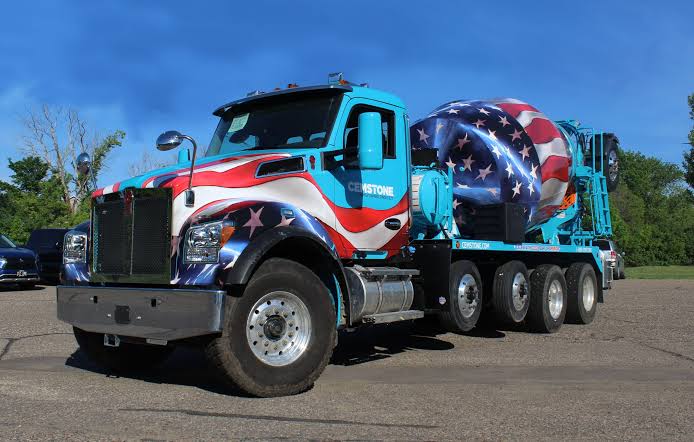
A vehicle wrap can make an ordinary van, truck or car look completely different. For a business, it can also turn everyday driving into a form of advertising. But while most people notice the finished colors and graphics, the real quality of a wrap is often determined by things they never see—material selection, surface preparation, installation technique and what happens after the vinyl has been applied.
That’s why choosing a wrap provider shouldn’t come down to price alone. A professional-looking result is a process, not simply a product.
Whether you’re branding one company van or an entire fleet, understanding what goes into a quality installation can help you make a smarter decision and avoid headaches later.
Start With the Right Material
Vehicle vinyl needs to handle a surprisingly tough environment.
Sunlight, rain, road dust, temperature changes and frequent washing can all affect a graphic over time. The material therefore needs to be selected according to the vehicle and the intended application.
A manufacturer such as 3M offers a range of graphic films designed for different uses. 3m mcs is particularly relevant when discussing systems where matched components and production requirements are important for maintaining expected performance.
Somewhere Between Scaling and Stepping Away: How Mid-Sized Businesses Navigate Big Decisions
For a business owner, the takeaway is fairly simple: don’t assume every vinyl product will behave the same way.
Ask what film is being used, whether it is appropriate for the vehicle, and what kind of lifespan you should realistically expect.
Avery Materials Bring Another Option
3M isn’t the only major name in the graphics industry. Avery Dennison also produces films for vehicle wraps and commercial graphics, with products designed around different applications and surfaces.
avery ics-certified cast films can be an option for projects where conformability, durability and professional application are priorities.
The important thing isn’t picking a brand simply because its name is familiar. The film needs to match the project.
A delivery van that spends most of its day outdoors has different requirements from a short-term promotional vehicle. A complicated body shape may also require a highly conformable material.
A good installer should be able to explain why a particular product has been selected instead of simply saying, “This is what we always use.”
Surface Preparation Is Easy to Underestimate
Before vinyl touches the vehicle, the surface needs to be properly prepared.
Dust, grease, wax, road grime and other contaminants can interfere with adhesion. Small imperfections may also become more noticeable beneath a smooth film.
Professional preparation typically includes a thorough cleaning and inspection of the vehicle. Difficult areas such as door edges, seams, handles and recessed panels deserve particular attention.
Existing paint damage should also be discussed before installation.
If paint is already loose or poorly bonded, removing vinyl later may expose or worsen an existing problem. A responsible installer should point this out before starting rather than discovering it halfway through the job.
Design Should Be Made for the Vehicle
A vehicle isn’t a flat billboard.
Doors open. Handles interrupt panels. Curves change the way images appear. Windows and mirrors create visual boundaries.
Good wrap design takes all of this into account.
For commercial vehicles, the company name should be easy to recognize. Contact details should remain readable, and the primary service should be obvious without requiring someone to study the vehicle.
This is particularly important because most people see branded vehicles briefly. A driver may have only a few seconds to notice the graphics before traffic moves again.
Simple, bold communication often works better than trying to fit an entire brochure onto four wheels.
Installation Requires Patience
Once the artwork is ready, the installer has to translate a digital design onto a three-dimensional object.
That means managing large sheets of vinyl around curves, edges, recesses and other complicated areas. Stretching the material too aggressively can affect its appearance and performance.
Experienced installers know when to slow down.
Sometimes a section needs to be lifted and repositioned. Sometimes the material needs gentle heat or a different application technique. Trying to finish as quickly as possible isn’t necessarily a sign of efficiency.
In wrapping, careful work is often faster than fixing mistakes later.
Edges and Recesses Deserve Extra Attention
The large side panels are usually the easiest part of a wrap to admire.
But the smaller details often tell you whether the installation was genuinely professional.
Look closely around door handles, wheel arches, mirrors, seams and panel edges. These areas need to be finished cleanly because lifting or poorly managed vinyl can become noticeable over time.
A good wrap should look finished from close range, not just from across a parking lot.
That’s also why an experienced installer can be worth the investment. Vehicle wrapping is a specialized skill, particularly when the vehicle has complex bodywork.
Why the Final Inspection Matters
The job isn’t finished simply because the last piece of vinyl has been applied.
A proper post-install inspection gives the installer an opportunity to check edges, seams, graphics alignment and areas that may need additional attention.
This final review can catch small problems before the vehicle goes back into daily service.
It also gives the customer a chance to walk around the vehicle and ask questions. How should it be washed? Are there areas that need special care? When can the vehicle return to normal cleaning?
Those conversations are useful because proper maintenance starts with knowing what has actually been installed.
Maintenance Keeps the Wrap Looking Its Best
A quality wrap still needs basic care.
Regular washing can remove dirt, dust and road grime before they build up. However, abrasive brushes and harsh chemicals can damage some vinyl finishes.
Owners should follow the material manufacturer’s recommendations and remove contaminants such as bird droppings or tree sap relatively quickly.
It’s not difficult maintenance. Just sensible maintenance.
A few minutes spent cleaning the vehicle regularly can help preserve the appearance of the graphics and make small problems easier to spot.
Don’t Judge a Wrap by the Price Alone
A cheap quote can look attractive at first.
But if the provider uses unsuitable material, skips preparation or rushes installation, the savings may disappear when repairs or replacement become necessary.
Instead, compare the whole service.
Ask about the film brand and product, installation experience, warranty terms, preparation process and aftercare instructions. Look at previous work if possible. A strong portfolio can tell you more than a sales pitch.
Quality Is a Combination of Small Decisions
There isn’t one magic ingredient behind a great vehicle wrap.
It’s the combination of suitable materials, accurate design, careful preparation, skilled installation and thorough inspection.
A branded vehicle represents your business whenever it leaves the driveway. It may be parked outside a customer’s home, traveling across town or sitting in traffic beside hundreds of other vehicles.
You want people to remember the company—not the bubbles, lifting edges or poorly aligned graphics.
When the right materials and craftsmanship come together, the result feels almost effortless. That’s the beauty of a professional wrap: all the hard work happens behind the scenes, leaving you with a vehicle that looks clean, confident and ready to represent the brand wherever the road takes it.