A new roof might not be the most exciting purchase you’ll ever make, but it’s certainly one of the most important. When the rain comes pouring down or snow begins piling up during a Minnesota winter, the condition of your roof suddenly feels much more significant than the color of your kitchen cabinets.
Many homeowners postpone roofing projects because the existing roof still looks reasonably good. Unfortunately, appearances don’t always reveal what’s happening beneath the surface.
Whether you’re dealing with recurring leaks, storm damage, or materials that have simply reached the end of their service life, replacing your roof deserves careful planning. Getting the details right from the beginning can help prevent unnecessary expenses and provide dependable protection for years.
Understanding What Makes a Roofing Project Successful
A dependable roof requires more than attractive shingles and a skilled crew. Several components need to work together to protect the underlying structure against moisture and weather exposure.
Investing in quality roofing installation means paying attention to everything from roof decking and underlayment to flashing, ventilation, and the proper installation of finishing materials.
Even relatively small mistakes can lead to frustrating problems later. Improperly installed flashing around a chimney, for instance, may allow water to enter areas that otherwise appear perfectly protected.
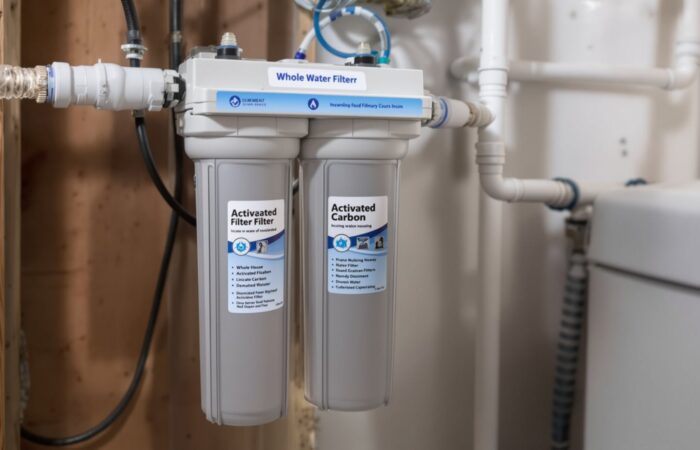
Say Goodbye to Unpleasant Water Tastes and Sediment With Home Water Filtration in Northeast Florida
Homeowners should feel comfortable asking contractors about these details. You don’t need to become a roofing expert, but understanding the basics can help you recognize the difference between careful workmanship and a rushed installation.
Knowing When Repairs Are No Longer Enough
There’s nothing wrong with repairing a roof when the damage is limited. Replacing a few missing shingles or addressing deteriorated flashing may be perfectly reasonable.
However, recurring problems deserve closer attention.
Professional roof replacement and inspection services can help homeowners understand the extent of existing deterioration and determine whether continued repairs remain worthwhile.
Missing shingles, widespread curling, excessive granule loss, and recurring ceiling stains may indicate more substantial concerns.
The roof’s age should also influence your decision. Spending money repairing a relatively new roofing system makes sense in many circumstances. Continually patching an older roof with widespread deterioration is another matter entirely.
Sometimes, replacing the entire structure’s roof covering becomes the more practical financial decision, even if the upfront expense feels intimidating.
Preparing Your Household for a New Roofing Project
Roofing work can temporarily disrupt everyday life. There’s noise, equipment moving around the property, and workers carrying materials throughout the day.
Planning a new roof installation for homeowners involves more than selecting materials and arranging a convenient starting date.
Before work begins, consider moving vehicles away from the driveway, protecting outdoor furniture, and keeping children and pets away from active construction areas.
You might also want to remove particularly fragile items from walls or shelves, as roofing activities can occasionally cause vibrations inside the house.
Discuss the expected project duration, cleanup arrangements, and possible weather delays with your contractor.
A little preparation can make the experience considerably less stressful, particularly if you’re working from home or managing a busy family schedule.
Choosing Materials That Can Handle Minnesota Weather
Minnesota homeowners know how dramatically conditions can change throughout the year. Heavy snowfall, freezing temperatures, strong winds, and summer thunderstorms can all place considerable demands on a roof.
Asphalt shingles remain a popular choice because they offer design flexibility and a range of price points. Metal roofing may appeal to homeowners interested in long-term durability and weather resistance.
Neither material is automatically the right choice for every property.
Consider your home’s architectural style, roof slope, budget, maintenance preferences, and anticipated ownership period.
It’s also worth discussing how the proposed roofing system will manage snow accumulation, moisture, and seasonal temperature changes.
A roof selected with local weather conditions in mind is generally a more sensible investment than one chosen purely for appearance.
Don’t Overlook What’s Happening Beneath the Shingles
Some of the most important roofing components aren’t visible once installation is complete.
Underlayment provides additional moisture protection beneath the outer roofing material. Flashing helps manage water around chimneys, vents, and other vulnerable areas.
Attic insulation, air sealing, and ventilation can also influence moisture management and the potential formation of ice dams during winter.
When old roofing materials are removed, contractors have an opportunity to examine the underlying decking for deterioration or moisture damage.
Addressing these concerns before covering everything with new materials is important.
After all, installing beautiful shingles over damaged decking is a bit like painting over a damp wall. It might look better temporarily, but the underlying problem hasn’t disappeared.
Finding a Contractor Who Communicates Clearly
Choosing a roofing contractor shouldn’t come down to price alone.
Request detailed written estimates, review previous projects, verify appropriate licensing and insurance, and ask about workmanship warranties.
Pay particular attention to how potential contractors explain their recommendations. Are they willing to answer questions? Do they discuss possible additional expenses openly?
Unexpected decking repairs or other concealed problems can affect the final project cost. Understanding how these situations will be handled beforehand can prevent disagreements later.
A dependable professional should help you feel informed throughout the process, rather than leaving you guessing about what’s happening above your ceiling.
Protecting Your Investment for the Years Ahead
Once your new roof is installed, regular maintenance remains worthwhile. Keep gutters clear, arrange periodic inspections, and investigate potential damage following severe weather.
Save your warranty documents, installation records, and maintenance reports for future reference.
Ultimately, replacing your roof is about protecting much more than the exterior appearance of your property. It’s about safeguarding your belongings, maintaining indoor comfort, and looking after the place your family calls home.
There’s genuine satisfaction in knowing that when the next Minnesota storm arrives, you’ve taken thoughtful steps to prepare for it. That reassurance alone can make a well-planned roofing investment feel worthwhile.