A plumbing problem in a commercial building rarely stays a small inconvenience for long. A leaking pipe can interrupt daily operations, a blocked drain can create unpleasant conditions for employees and customers, and a faulty water connection may even force part of a business to close temporarily. These problems often appear without much warning, but the conditions leading up to them usually develop over time.
For property managers, business owners, and facility teams, keeping plumbing in good condition means looking beyond emergency repairs. Regular inspections, sensible planning, and a clear understanding of how the building uses water can prevent many costly surprises. The goal isn’t simply to fix what breaks. It’s to keep the entire system working reliably, day after day.
Why Commercial Plumbing Needs a Different Approach
Commercial buildings place very different demands on plumbing systems than most homes. Restaurants may use several sinks, dishwashers, floor drains, and high-demand water heaters throughout the day. Office buildings have busy restrooms, break rooms, and multiple floors connected to extensive pipe networks. Hotels, schools, healthcare facilities, and warehouses each have their own requirements.
That constant use creates wear. Seals deteriorate, drain lines collect grease or debris, valves become difficult to operate, and small leaks can go unnoticed behind walls or beneath equipment. Even a system that seems to be working normally may have developing problems.
Professional commercial plumbing services help businesses address these demands with solutions suited to the building, its occupancy, and its daily operations. Rather than applying the same approach everywhere, an experienced plumber can assess water usage, inspect vulnerable components, and recommend repairs or upgrades that make practical sense.
There’s also a business consideration that can be easy to overlook: downtime costs money. A maintenance visit scheduled during quieter hours is usually far less disruptive than an urgent repair in the middle of a busy working day.
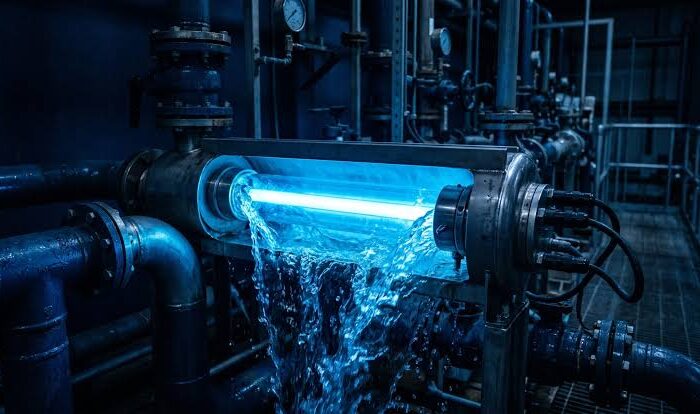
Understanding Water Filtration: Choosing the Right System for Cleaner, Better-Tasting Water
The Value of Planned Maintenance
Many plumbing issues begin with subtle warning signs. A drain takes longer to empty. Water pressure changes slightly. A valve starts making noise, or a small damp patch appears near a pipe connection. None of these symptoms may seem urgent at first, especially when everything else is running as usual.
However, postponing attention can allow minor faults to become expensive repairs. A slow leak may damage flooring or cabinetry, while recurring drain blockages might indicate a deeper issue within the pipework.
Well-designed maintenance programs give businesses a practical way to stay ahead of these concerns. Depending on the property, a plan might include checking visible pipes and connections, inspecting water heaters, testing shut-off valves, cleaning appropriate drain lines, reviewing water pressure, and looking for signs of corrosion or moisture damage.
The schedule should reflect actual conditions. A busy restaurant with grease-producing kitchen equipment will need a different maintenance routine from a small professional office. Older buildings may require more frequent inspections, particularly where original pipes or fixtures remain in service.
Good records are useful, too. Keeping track of past leaks, replaced parts, recurring blockages, and inspection findings helps facility managers spot patterns. If the same drain requires attention every few months, for example, repeated clearing may not be the best long-term answer. A more thorough investigation could reveal the underlying cause.
Protecting Water Quality and Preventing Backflow
Water safety deserves special attention in commercial properties because plumbing systems can serve large numbers of people. Under certain conditions, changes in water pressure can cause contaminated water to move backward into a clean water supply. This is known as backflow, and it can create a serious public health concern.
Backflow risks may arise wherever drinking water connections interact with equipment, irrigation systems, commercial kitchens, or other installations where contamination is possible. The level of risk depends on the equipment, the connection design, and local plumbing requirements.
That is why backflow prevention testing matters. Testing helps determine whether the relevant prevention device is operating correctly and whether it needs servicing or replacement. Where required, qualified professionals can carry out testing, document the results, and arrange any necessary corrective work in line with local regulations.
Businesses should not assume that installing a backflow prevention device settles the issue permanently. Components can wear out, debris can affect performance, and devices may need periodic inspection. Property managers should confirm the applicable testing schedule with a qualified plumbing professional or local water authority.
These precautions are especially important in facilities where water is used for food preparation, medical activities, industrial processes, or irrigation. Protecting water quality is not merely a maintenance task; it’s part of protecting the people who depend on the building.
Recognizing Problems Before They Become Emergencies
A useful maintenance strategy starts with knowing what to look for. Employees and cleaning teams often notice plumbing changes before management does, simply because they use the facilities every day. Giving them a straightforward way to report concerns can make a real difference.
Watch for warning signs such as:
- Persistent dripping from taps, valves, or pipe connections.
- Unusual odors coming from drains or floor outlets.
- Water stains, bubbling paint, or unexplained damp areas.
- Sudden changes in water pressure or temperature.
- Repeated toilet blockages or drains that empty unusually slowly.
- Unexpected increases in water bills without a clear explanation.
These symptoms do not always point to a major fault, but they deserve attention. For instance, an unexplained rise in water consumption may indicate a concealed leak, while several slow drains could suggest a shared drainage problem rather than separate fixture issues.
If water is actively escaping, flooding is occurring, or contaminated water is suspected, the response should be immediate. Staff should follow the property’s emergency procedures, isolate the affected supply when safe and appropriate, and contact a qualified professional. Electrical hazards and extensive flooding require additional caution; nobody should enter an unsafe area simply to locate a leak.
Choosing Repairs That Make Financial Sense
When a plumbing component fails, replacing it with the cheapest available option may seem attractive. Yet the lowest initial price doesn’t always deliver the best value. A part that wears out quickly can lead to repeated labor charges, additional downtime, and frustration for everyone involved.
A better decision considers durability, compatibility, water efficiency, warranty coverage, and the expected demands placed on the equipment. In some buildings, upgrading an outdated fixture or replacing a deteriorating pipe section may reduce recurring service calls. In others, a targeted repair is perfectly adequate.
It’s also worth asking for a clear explanation of the problem before approving extensive work. A reliable contractor should be able to describe the likely cause, outline practical options, and distinguish urgent repairs from improvements that can be scheduled later.
Water efficiency is another consideration. Faulty flush valves, leaking fixtures, and inefficient equipment can waste substantial amounts of water over time. Correcting these issues may lower utility costs while supporting a business’s wider sustainability goals.
Building a Plumbing Plan That Works Long Term
Reliable plumbing doesn’t happen by accident. It comes from understanding the building, responding to early warning signs, and treating routine care as part of normal business operations rather than an expense to avoid.
Start by reviewing the property’s plumbing history, identifying critical equipment, and setting an inspection schedule based on usage and risk. Make sure staff know how to report problems, keep service records accessible, and establish a relationship with a qualified plumbing provider before an emergency occurs.
Most importantly, revisit the plan as the business changes. Expanding a kitchen, adding restrooms, increasing occupancy, or installing new equipment can place demands on a system that previously worked well.
A thoughtful approach won’t eliminate every plumbing failure, and no maintenance plan can promise that. What it can do is reduce avoidable problems, make repairs easier to manage, and help businesses protect their buildings, budgets, and daily operations. In the long run, that steady attention is often what separates a plumbing system that simply works today from one that continues to serve the business reliably for years.