There’s a particular kind of frustration that comes with water problems. You buy a new kettle, only to find mineral deposits building up again a few weeks later. Your drinking water tastes different from what you’re used to, or you notice that your old filtration system isn’t quite doing the job anymore. These things might seem minor at first, but they can make everyday routines feel unnecessarily complicated.
The good news is that modern water treatment offers practical ways to address many of these concerns. From advanced drinking water filtration to ultraviolet disinfection, the options are varied. The challenge isn’t finding a system with the most features. It’s figuring out which technology actually makes sense for your household.
Start With Your Household’s Water Quality
Before investing in equipment, take time to understand your water. Its characteristics depend on the source, local conditions, plumbing, and any treatment already in place.
Some issues are easy to spot. Hard water can leave chalky deposits on faucets and shower doors, while excess sediment may cause visible cloudiness. An unusual taste or odor can also signal that further investigation is worthwhile.
Other concerns are less obvious. Certain dissolved contaminants and microorganisms can’t be identified reliably by looking at or tasting the water. If you’re concerned about safety, proper testing is much more dependable than guessing.
A water quality test can help determine whether you need filtration, mineral control, disinfection, or a combination of approaches. If you use a private well, consider testing through a qualified laboratory and following local health authority recommendations.
Understanding Water Filtration: Choosing the Right System for Cleaner, Better-Tasting Water
This first step can save money later. There’s little point in purchasing a sophisticated filtration unit if the problem is actually hard water or an issue with the plumbing.
Reverse Osmosis: A Practical Approach to Drinking Water
For many households, drinking water quality is the main concern. People want water that tastes pleasant, is convenient to use, and receives treatment appropriate for the substances present in their supply.
Reverse osmosis and tankless RO systems are two options worth exploring when choosing a drinking water solution. Reverse osmosis uses pressure to move water through a semipermeable membrane, reducing many dissolved substances. Depending on the system, it may reduce certain salts, metals, and other contaminants.
Traditional reverse osmosis units often use a storage tank to keep treated water available. Tankless models generally produce filtered water on demand and may offer a more compact installation beneath the kitchen sink.
That space-saving design can be appealing in smaller kitchens, where every inch of cabinet space counts. Some tankless systems also provide useful monitoring features, although performance, water production rates, and efficiency vary between models.
Neither design is automatically better for every home. Consider your household’s drinking water demand, available water pressure, installation requirements, and the cost of replacement filters and membranes.
Most importantly, check verified performance claims. A reverse osmosis system shouldn’t be assumed to remove every contaminant, and the particular model should be suitable for the substances identified in your water test.
UV and Advanced Disinfection Systems for Microbial Concerns
Not every water quality issue involves dissolved minerals or unpleasant tastes. In some situations, controlling microorganisms is the priority, particularly when a private well or another vulnerable water source is involved.
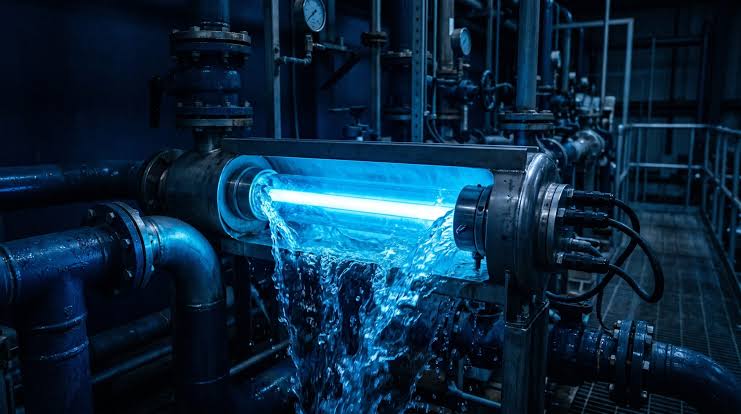
UV and advanced disinfection systems can help address these concerns when they’re appropriately selected and maintained. Ultraviolet disinfection exposes water to a specific wavelength of UV light that inactivates susceptible microorganisms by damaging their genetic material.
A properly designed UV unit can be effective against many bacteria, viruses, and other microorganisms. It doesn’t rely on adding a disinfectant chemical to the water, and it generally doesn’t change its taste.
However, UV treatment has limitations. Water needs to be sufficiently clear for the light to reach the microorganisms. Suspended particles can interfere with treatment, so sediment filtration or other pretreatment may be necessary.
The lamp and protective sleeve also require maintenance, and the system must operate within its specified flow and water quality limits.
Advanced disinfection can include other technologies, such as ozone treatment, depending on the application. Ozone can inactivate many microorganisms and help oxidize certain substances, but it requires appropriate equipment and careful management.
One important distinction: disinfection doesn’t necessarily remove dissolved chemicals, metals, or salts. If testing identifies several different concerns, additional treatment may be needed. For suspected microbial contamination, follow public health guidance rather than assuming that installing a UV unit alone immediately makes the water safe.
Specialty Filters for Problems That Need a Targeted Solution
Sometimes, ordinary filtration isn’t enough. A household may have a particular contaminant that requires specialized treatment, or the water may have characteristics that affect how a standard filter performs.
Specialty filters are designed for specific water quality challenges. Depending on their media and construction, they may target certain metals, dissolved compounds, sediment, or other substances.
For example, activated carbon can reduce chlorine taste and odor, while certain specialized media can help reduce particular contaminants when the equipment has been verified for that purpose. Ion-exchange materials may also be used in filters designed for specific dissolved substances.
The important thing is to match the filter to the actual concern. A sediment filter captures suspended particles but generally won’t remove dissolved salts. A standard carbon cartridge may improve taste without addressing a particular metal or microorganism.
Look for independently verified performance claims and certifications appropriate to the contaminant you’re trying to reduce. Read the maintenance instructions, too. A filter that isn’t replaced on schedule may no longer perform as expected.
If you’re unsure which product fits your needs, ask a qualified water treatment professional to explain the available options using your test results rather than relying on broad marketing promises.
Can Different Treatment Technologies Work Together?
Yes, and in some homes, combining systems makes practical sense. A household might use sediment filtration to protect downstream equipment, a UV unit for microbial control, and a separate reverse osmosis system for drinking water.
The key is making sure each component has a clear purpose. Equipment should be installed in an appropriate sequence, and the water entering each system must meet the manufacturer’s requirements.
For instance, excessive sediment or certain dissolved substances can interfere with the performance of particular disinfection units. Similarly, reverse osmosis membranes may require pretreatment to protect them from scale or other damage.
More equipment isn’t necessarily better, though. Every added component means another filter to replace, another potential service requirement, and another cost to consider.
Start with the problems you’ve identified, then build a treatment setup around those needs. It’s usually a smarter approach than buying several technologies simply because they sound impressive.
Maintenance Is Part of the Investment
Water treatment systems need regular attention to keep performing properly. Filters become exhausted, membranes require replacement, and disinfection equipment may need periodic servicing.
Before purchasing a system, ask about replacement part availability, maintenance intervals, warranty coverage, and estimated running costs. A lower initial price may not represent the best long-term value if consumables are expensive or difficult to source.
Keep a record of service dates and follow the manufacturer’s recommendations. If the water develops a new odor, changes color, or tastes noticeably different, investigate the cause rather than assuming the equipment is still working correctly.
Regular water testing may also be appropriate, especially for private wells or whenever conditions change.
Making a Confident Choice for Better Water
Choosing water treatment equipment doesn’t have to be overwhelming. Start by understanding your water, identify the concerns that matter most, and compare systems based on demonstrated performance rather than the number of features they advertise.
Reverse osmosis can be useful for drinking water, disinfection systems can address microbial concerns, and specialty filters can target particular contaminants. Each technology has its place, but none is a universal answer.
Ultimately, the best system is one that fits your household, addresses a real water quality need, and remains practical to maintain. A little research at the beginning can prevent unnecessary expense and help you enjoy more confidence in the water you use every day.