A water treatment system can look like a fairly simple addition to a home. There’s equipment, a few connections, and some filters that promise to improve the water coming from your taps. But anyone who has dealt with low water pressure, a leaking connection, or a filter that never quite solves the original problem knows there’s more to it than that.
The installation itself plays a major role in how well a system performs. Even good equipment may deliver disappointing results if it’s incorrectly sized, connected to unsuitable plumbing, or installed without considering the home’s water supply. And once the equipment is in place, fixing those mistakes can be more expensive than getting things right at the beginning.
Whether you’re planning to install a whole-house filtration unit, a water softener, or another treatment system, a little preparation goes a long way. Understanding your water, choosing suitable equipment, and planning the work carefully can help you avoid common problems and enjoy more dependable performance.
Understanding Water Filtration: Choosing the Right System for Cleaner, Better-Tasting Water
Start by Understanding What Your Water Needs
Before looking at equipment, take a step back and identify the problem you’re trying to solve. Perhaps your water leaves white mineral deposits around faucets. Maybe it has a strong chlorine smell, contains visible particles, or has an unpleasant taste. These concerns may point toward different treatment methods.
A water test is often a sensible starting point. Depending on your water source and the symptoms you’re noticing, testing may measure hardness, pH, iron, manganese, or other relevant substances. Private well owners may need additional testing for bacteria and other contaminants, following local health guidance.
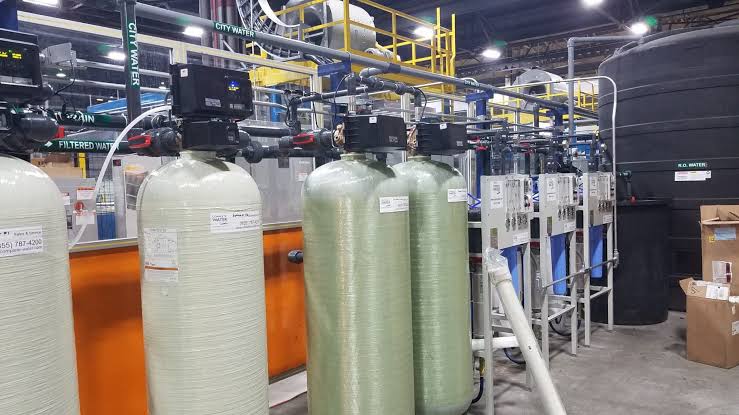
The results help determine which equipment is appropriate. A sediment filter can capture suspended particles, while activated carbon can reduce certain taste and odor compounds. A water softener is designed to address hardness minerals, not every possible contaminant. Selecting a system without understanding the water can mean spending money on equipment that doesn’t address the real issue.
Think about household usage, too. A family with several bathrooms and frequent laundry loads may need a system with a higher flow capacity than a small household. The goal is to choose equipment that treats the water effectively without making everyday tasks inconvenient.
Planning the Installation Before Work Begins
Good preparation can prevent a surprising number of installation headaches. Before purchasing a unit, check the available space, access to the main water line, drainage requirements, and any electrical connections the equipment may need. Some systems are compact enough for a utility cupboard, while others require a dedicated area.
A successful system installation also depends on compatibility with the existing plumbing. Pipe sizes, water pressure, connection types, and the location of shutoff valves can all affect how the equipment should be fitted. If the system needs a drain line for backwashing or regeneration, that requirement should be addressed before work begins rather than improvised at the last minute.
It’s worth considering access for future maintenance. A filter placed behind a tightly packed shelf might fit perfectly on installation day, but replacing the cartridge six months later could become a frustrating job. Leave enough room to remove housings, inspect connections, and reach service components comfortably.
Ask the supplier for the equipment’s specifications and installation requirements. If anything is unclear, get an answer before work starts. A few minutes spent reviewing the plan can save hours of unnecessary adjustment later.
Why Proper Sizing and Placement Matter
Bigger isn’t always better when it comes to water treatment. An oversized system may cost more than necessary, while an undersized unit can struggle when several fixtures operate at once. The right capacity depends on peak water demand, the type of treatment required, and the characteristics of the incoming supply.
For instance, imagine someone taking a shower while a washing machine fills and another person uses the kitchen tap. If the filtration equipment restricts flow too much, water pressure may fall noticeably. That doesn’t necessarily mean the system is defective; it may have been poorly matched to the household’s needs.
Placement matters for practical reasons as well. Equipment should be protected from conditions that could damage it, installed according to the manufacturer’s instructions, and positioned so that routine servicing remains possible. Temperature limits, ventilation, drainage, and access to a bypass valve may all need consideration.
A properly designed water system installation takes these factors into account before the first pipe is cut. It considers how the equipment will work with the home’s plumbing today and how easy it will be to maintain in the years ahead.
The Value of Professional Installation
Some homeowners enjoy tackling small plumbing projects themselves, and certain basic filter units are designed for straightforward installation. However, whole-house treatment equipment can involve more complicated plumbing, pressure considerations, electrical requirements, or drainage connections.
Choosing professional installation can be especially helpful when the system connects to the main supply, requires significant plumbing changes, or treats a specific water quality concern. An experienced installer can assess the site, confirm compatibility, and follow the equipment manufacturer’s requirements.
Before hiring someone, ask about relevant experience, licensing where required, insurance, warranty conditions, and the scope of the work. Request a clear explanation of what’s included in the quote. Does the price cover fittings, valves, drainage work, testing, and cleanup, or are some items charged separately?
A dependable installer should also explain how to operate the equipment. You should know where the bypass valve is, how to recognize a leak, which indicators require attention, and when replacement filters or service visits are due. If the explanation is rushed or confusing, ask questions before the installer leaves.
Testing the System After Installation
The job isn’t finished simply because the equipment is connected and water is flowing. The system should be checked to confirm that the installation is secure and that the equipment operates as intended.
Depending on the type of system, this may involve checking connections for leaks, verifying flow and pressure, confirming that valves operate correctly, and following the manufacturer’s startup procedure. Some systems need flushing before use. Others require settings to be adjusted according to the water test results.
Where a system is intended to reduce a particular contaminant, appropriate testing may be needed to verify performance. Don’t assume that clear water or an improved taste proves that every treatment goal has been achieved.
Keep copies of the installation details, operating instructions, warranty documents, and any relevant test results. These records will be useful if the system needs servicing or if you eventually sell the property.
Think About Maintenance From Day One
Every water treatment system has ongoing requirements. Cartridges need replacement, some media must be replenished, and mechanical components may require inspection. Maintenance intervals vary with the equipment and the condition of the incoming water.
Before committing to a system, find out the expected replacement costs and whether parts are readily available. Ask whether routine service can be handled by the homeowner or whether a technician is recommended. A system that looks affordable initially may become expensive if its consumables are difficult to source.
It also helps to establish a simple maintenance schedule. Record filter changes, service visits, and unusual changes in water pressure or taste. If a problem returns repeatedly, investigate the underlying cause instead of continuing to replace components without understanding why they’re failing.
A Better Result Begins With the Right Decisions
Installing water treatment equipment is an investment in your home’s plumbing and everyday comfort. The best results usually come from careful planning rather than rushing to purchase the first system that promises cleaner water.
Start with suitable testing, select equipment that matches the problem, and make sure the installation accounts for flow, space, plumbing compatibility, and future maintenance. Once the system is running, verify its operation and follow the recommended care schedule.
A well-installed system shouldn’t demand constant attention. It should fit naturally into the home, do the job it was selected to do, and remain manageable over time. Getting the details right at the beginning makes that outcome far more likely.