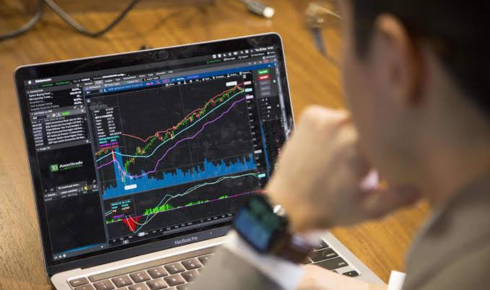
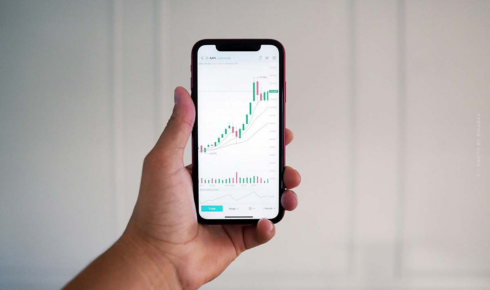
Silver has long held a place in Indian households, not just as an ornament or gifting choice but as an investment avenue that sits alongside gold in the broader bullion market. Tracking the Silver Rate Today has become a regular habit for many investors, traders, and even jewellers who need to price their inventory accurately. At the same time, movements in the Sensex Today often draw attention from the same set of market watchers, since equity and commodity markets frequently react to overlapping economic triggers. Understanding how silver prices are determined, and how they relate to broader financial indicators, can help investors make more informed decisions.
What Drives Silver Prices
Silver, unlike gold, has a dual identity. It is both a precious metal used for investment and jewellery, and an industrial input used in electronics, solar panels, and various manufacturing processes. This dual demand means that silver prices respond to a wider set of factors compared to gold.
Global silver prices are primarily set in international markets, with London and New York serving as key pricing hubs. In India, the Silver Rate Today is derived from international spot prices, adjusted for the rupee-dollar exchange rate, import duties, and local demand-supply conditions. When the rupee weakens against the dollar, imported silver tends to become costlier, even if international prices remain stable.
Industrial demand plays a notable role as well. Silver is a key component in solar panel manufacturing, and as renewable energy adoption grows globally, industrial consumption of silver has been rising. This adds a layer of demand that is somewhat independent of investment sentiment, making silver prices behave differently from gold at times.
Silver and the Broader Market Connection
While silver is a commodity and the Sensex Today reflects equity market performance, the two are not entirely disconnected. Both respond to similar macroeconomic forces such as interest rate decisions, inflation data, and global risk sentiment. When there is uncertainty in equity markets, some investors shift a portion of their portfolio toward precious metals, including silver, as a way to diversify risk. Conversely, when equity markets are performing well and risk appetite is high, allocation toward bullion can moderate.
This is why investors who track the Sensex Today alongside the Silver Rate Today often get a more rounded view of overall market sentiment. A rising equity market combined with steady bullion prices might indicate broad economic confidence, while volatility in both segments simultaneously could point to wider uncertainty, such as geopolitical tensions or global monetary policy shifts.
Factors to Watch in the Bullion Market
For those following silver prices regularly, a few recurring factors are worth monitoring:
Currency movements: Since silver is priced internationally in dollars, any change in the rupee-dollar exchange rate directly affects the domestic Silver Rate Today, independent of what happens to the metal’s price abroad.
Central bank policy: Interest rate decisions by major central banks influence the opportunity cost of holding non-yielding assets like silver. Lower interest rates can make bullion relatively more attractive compared to interest-bearing instruments.
Industrial demand trends: Growth in sectors like electronics and renewable energy can add upward pressure on silver demand, separate from its role as an investment metal.
Seasonal demand in India: Festive and wedding seasons in India traditionally see higher physical demand for silver, which can influence local premiums over and above international pricing.
Global risk sentiment: Geopolitical developments, trade tensions, or economic slowdowns can push investors toward safe-haven assets, affecting both silver and, indirectly, equity indices tracked through the Sensex Today.
How Investors Approach Silver
Investment in silver can take several forms. Physical silver, in the form of coins, bars, or jewellery, remains common, though it comes with considerations around storage and making charges. Silver exchange-traded funds and sovereign-backed instruments offer a paper-based alternative, allowing exposure to price movements without the need for physical storage. Some investors also participate through commodity futures, though this route involves more active monitoring and carries higher risk due to leverage.
For most retail investors, a measured approach works better than trying to time short-term price swings. Since silver prices can be more volatile than gold due to its industrial demand component, sudden price movements are not unusual. Keeping a long-term perspective, and viewing silver as part of a diversified portfolio rather than a standalone bet, tends to be a more sustainable approach.
Conclusion
The bullion market, and silver in particular, offers a useful lens into broader economic conditions. Its dual role as both an industrial input and an investment asset makes its price movements worth understanding in context, rather than in isolation. Keeping an eye on the Silver Rate Today, alongside broader indicators like the Sensex Today, can help investors build a more complete picture of market conditions. As with any investment decision, understanding the underlying drivers, rather than reacting to daily price changes, remains a sound approach for anyone looking to include silver as part of their financial planning.
Disclaimer: This article is for educational and informational purposes only and should not be considered investment advice. Investments are subject to market risks. Past performance does not guarantee future returns. Investors should assess their financial goals and risk appetite and consult a qualified financial advisor before making investment decisions.