Clean water is one of those things we often take for granted until something seems off. Maybe the tap water has an unusual taste, leaves white marks on glasses, or smells faintly of chlorine. These little signs can make you wonder what’s actually coming out of your kitchen faucet. While municipal water supplies are treated to meet safety standards, water quality can still vary depending on the source, plumbing, and local conditions. That’s where understanding water filtration becomes useful.
A good filtration system can improve the taste, reduce certain unwanted substances, and make everyday water use more comfortable. However, choosing the right option isn’t simply about buying the most expensive product. It starts with knowing what’s in your water and what you want to remove.
Why Water Quality Deserves More Attention
Water travels a long way before reaching your home. It may pass through treatment facilities, storage tanks, distribution pipes, and household plumbing. Along the way, its characteristics can change. Older pipes, for example, may introduce metals, while naturally occurring minerals can contribute to hardness and scale buildup.
Not every change means the water is unsafe. Some affect taste, smell, or appearance rather than health. Still, unusual discoloration, persistent odors, or sudden changes in water quality deserve attention. Contacting your local water supplier or arranging appropriate testing can help identify the cause.
It’s also worth remembering that clear water isn’t necessarily pure water. Many dissolved substances are invisible, which is why relying on appearance alone isn’t enough to assess drinking water quality.
Understanding the Different Types of Filtration Systems
Water filtration isn’t a one-size-fits-all solution. Different technologies target different contaminants, and knowing the basic differences makes shopping much easier.
Activated carbon filters are popular for household use because they can reduce chlorine, certain organic compounds, and substances responsible for unpleasant tastes and odors. They’re commonly found in pitcher filters, faucet attachments, and under-sink systems. For many households, they’re a convenient starting point.
Sediment filters work differently. They capture particles such as sand, rust, and dirt, helping protect other filtration components and reducing visible debris. They’re often installed as part of a larger treatment arrangement rather than used as the only drinking-water filter.
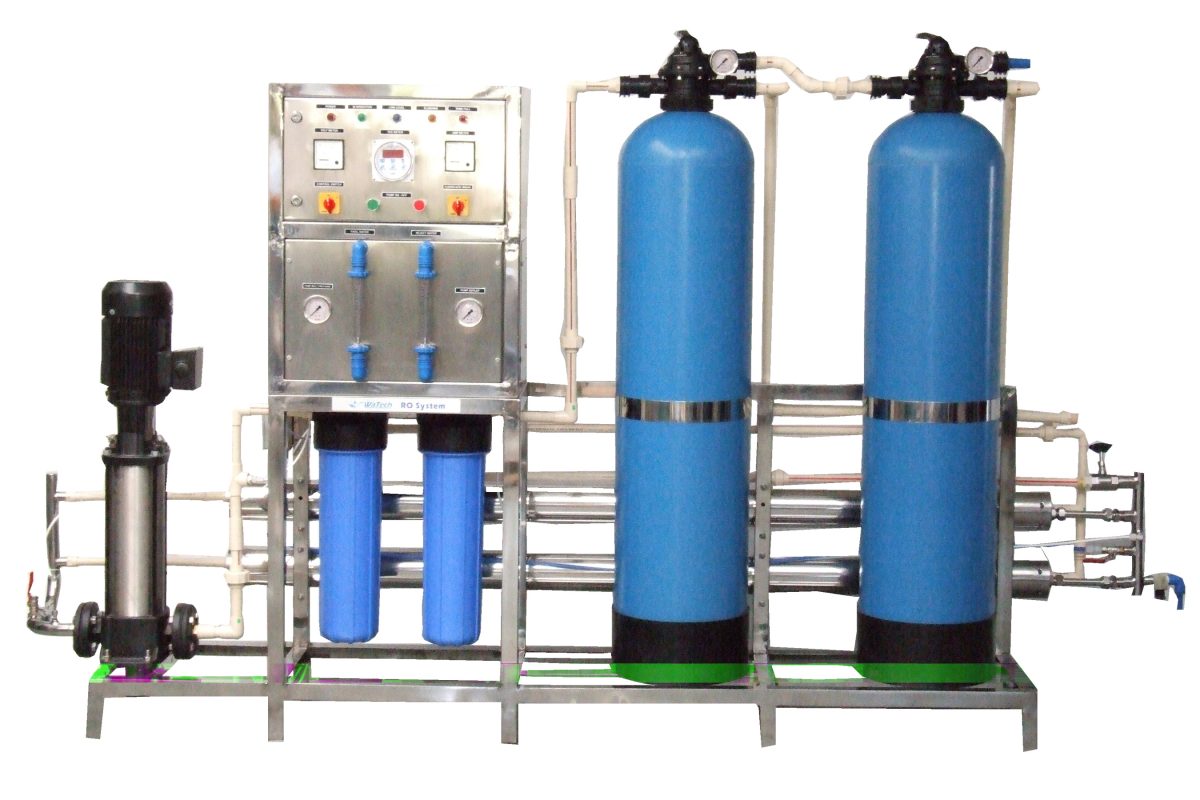
For households dealing with particular dissolved contaminants, reverse osmosis systems may be worth considering. These systems push water through a semipermeable membrane that reduces many dissolved substances, depending on the system’s design and certification. They can be helpful when testing identifies concerns that ordinary carbon filters aren’t designed to address.
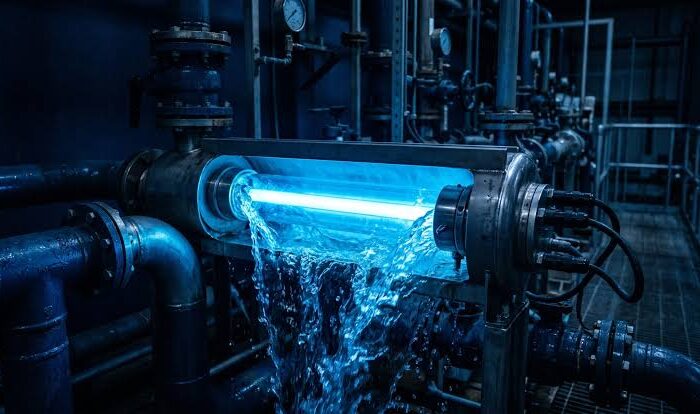
There are also ultraviolet treatment systems, which use UV light to inactivate certain microorganisms. Unlike many conventional filters, UV systems don’t remove dissolved salts or particles. They may need pretreatment and proper maintenance to work effectively.
The important thing is to match the technology to the problem, rather than assuming every system provides the same benefits.
Start With Water Testing Before Buying Equipment
One of the smartest steps you can take is water testing before spending money on a new filtration system. It provides a clearer picture of your water quality and helps you avoid paying for features you don’t need.
If your home receives municipal water, check the latest water quality report from your supplier. This can reveal information about regulated contaminants and treatment methods. However, a supplier’s report may not reflect changes inside your own building’s plumbing.
For private wells, regular testing is particularly important because the water doesn’t receive the same centralized treatment as municipal supplies. Depending on local risks, testing may include bacteria, nitrates, arsenic, and other relevant contaminants. A qualified laboratory or local public health authority can recommend suitable tests.
The results should guide your decision. If the main issue is chlorine taste, a certified carbon filter may be sufficient. If testing identifies elevated lead, you’ll need a product specifically certified to reduce lead. If hardness is causing scale, a water softener may be more appropriate than a drinking-water filter.
A little investigation now can prevent frustration later.
The Role of Specialty Equipment in Water Treatment
Some water quality problems require more than a basic filter. In these situations, specialty equipment can provide targeted treatment for particular contaminants or operating conditions.
For example, water softeners are designed to reduce hardness minerals such as calcium and magnesium. This can help limit scale on taps, showerheads, and appliances. Iron-removal systems address certain iron-related problems, while specialized treatment methods may be needed for contaminants such as arsenic or specific industrial chemicals.
Whole-house systems treat water entering the property, making them useful when the concern affects showers, laundry, and plumbing throughout the home. Point-of-use systems, on the other hand, treat water at a particular tap or appliance. They’re often more economical when the main goal is improving drinking and cooking water.
Not every home needs a complicated installation. In fact, adding unnecessary treatment stages can increase maintenance costs without delivering meaningful benefits. Professional advice is particularly valuable when several contaminants are present or when the water chemistry makes treatment more complicated.
What to Look for When Choosing a Filter
Marketing claims can make almost any filter sound impressive, so it’s worth looking beyond attractive packaging. Start by checking which contaminants the product is certified to reduce. Independent certifications, including relevant NSF/ANSI standards, can help verify performance claims for specific applications.
Pay attention to replacement filters, too. A system that seems affordable initially may become expensive if its cartridges require frequent replacement. Check the recommended replacement schedule, the price and availability of genuine cartridges, and whether installation requires professional assistance.
Water flow is another practical consideration. Some systems reduce the flow rate, particularly as filters approach the end of their useful life. If several people regularly use the kitchen tap, you’ll want a system that suits your household’s daily needs.
Consider water waste as well. Reverse osmosis systems can send some incoming water to a drain during treatment, although the amount varies by design and operating conditions. Newer models may be more efficient, so compare actual specifications rather than relying on broad claims.
Finally, think about available space, maintenance requirements, and whether the system has a clear service history. The best filter is one that performs reliably and is maintained properly over time.
Maintenance Makes a Real Difference
Even a high-quality filtration system needs attention. Filters gradually collect particles or lose their ability to reduce particular contaminants. If cartridges aren’t replaced according to the manufacturer’s instructions, water quality and system performance may suffer.
Keep a simple record of installation dates and replacement schedules. Watch for changes in taste, odor, or flow, but don’t rely on these signs alone to determine whether a filter is still effective. Some contaminants have no noticeable smell or appearance.
After maintenance, follow the manufacturer’s instructions for flushing the system and sanitizing components when required. If you’re using a UV treatment unit, check its lamp replacement schedule and any performance indicators. Regular servicing helps keep the equipment operating as intended.
Making a Smarter Choice for Your Home
Clean, dependable drinking water doesn’t necessarily require the most advanced technology on the market. It requires an informed decision based on your water source, actual quality concerns, budget, and willingness to maintain the equipment.
Start by identifying the problem, review reliable water quality information, and choose a treatment system designed for the contaminants you’re concerned about. Check independent certifications, understand replacement costs, and seek qualified help when test results indicate a more complex issue.
Water filtration works best when it’s practical rather than complicated. With the right information and a little ongoing care, you can make a confident choice that supports your household’s everyday needs without spending money on treatments you may never have needed in the first place.