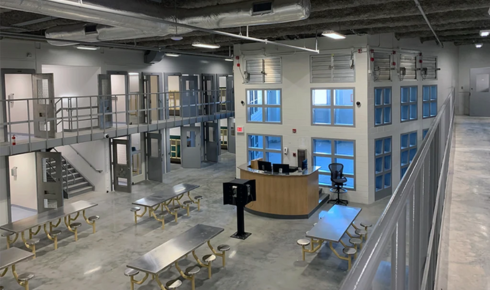
Installation Challenges Cornerstone Security Detention Equipment Contractors Address
Correctional facilities demand precision during installation work because security products must function without failure. Even the smallest misalignment or material inconsistency can affect performance and long-term durability. Contractors who specialize in detention equipment face a unique set of conditions that require methodical planning and a clear understanding of facility environments.
Irregular Wall Conditions Affecting Secure Frame Alignment
Walls within detention environments rarely offer perfect uniformity. Older facilities often contain patched surfaces, uneven blocks, and unexpected voids that complicate alignment for frames and hardware. Cornerstone detention equipment contractors must evaluate these surfaces with care to determine how each variance will impact anchoring depth and stability. Once irregularities are identified, the team adjusts installation techniques to ensure Cornerstone detention center doors and frames sit precisely where required. This process may involve shimming, resurfacing, or modifying attachment points to achieve the level of precision high-security openings demand. These adjustments prevent operational issues and maintain the strength needed for heavy-use detention environments.
Tight Construction Schedules Within Occupied Facilities
Working inside active correctional buildings requires strict time control. Installers must complete tasks during approved windows, often limited to short blocks designed to minimize disruption to facility routines. These compressed schedules force contractors to prepare thoroughly before entering secure areas. Crews must also coordinate each step with officers, maintenance teams, and facility administrators. Limited access periods mean that delays can quickly extend project timelines. Cornerstone security detention equipment contractor teams plan sequencing in detail to move efficiently without compromising safety or facility protocols.
Precise Anchoring Requirements for High-impact Hardware
Detention equipment must withstand force far beyond what standard commercial hardware encounters. Anchoring systems require accurate placement and reinforcement to meet impact-rated performance standards. This includes deep-set anchors, specialty fasteners, and engineered mounting points designed for extreme conditions.
Proper anchoring directly affects how modular jails operate over time. If anchoring is off by even a small margin, doors may bind, frames may shift, or hardware may fail under stress. Installers evaluate load paths, substrate stability, and torque requirements to ensure anchors support lifetime performance under demanding use.
Coordination with Existing Electrical and Control Systems
Security systems rely heavily on integrated wiring and electronic controls. Contractors must understand where conduits run, how circuits are grouped, and how each device communicates with central monitoring systems. This coordination is vital when installing electrified locks, sensors, or automated detention products.
Any disruption to existing lines can interrupt facility operations. Installers work closely with control technicians to verify electrical compatibility before finalizing placements. This step ensures that high-security systems function smoothly once connected to the facility infrastructure.
Limited Access Zones Restricting Equipment Movement
Many correctional facilities restrict movement between different housing units, admin zones, and secure corridors. Transporting heavy frames, detention doors, or prefabricated units becomes complicated when pathways are narrow or require multiple controlled checkpoints. These conditions make equipment movement slow and labor intensive.
Contractors must plan routes carefully to prevent delays. Each delivery or movement must align with facility schedules, staffing, and safety procedures. The work requires patience and coordination, especially when installing Cornerstone prison supply manufacturers’ products that are often large, reinforced, and difficult to maneuver.
Variations in Structural Substrates Across Facility Areas
Different portions of a facility may contain concrete block, poured concrete, steel studs, or reinforced surfaces. Each substrate affects drilling, anchoring, and mounting requirements. Installers must adjust their approach depending on the structural composition of each room or corridor.
These variations also influence how equipment interacts with the building over time. For example, substrates with lower density may require additional reinforcement to support detention-grade openings. Understanding these differences prevents premature wear and maintains security integrity.
Maintaining Security Protocols During Active Installations
Installation work cannot interfere with facility security. Contractors must move under escort, follow communication guidelines, and adhere to established safety rules throughout the project. These protocols create a controlled environment but also slow down workflow.
Teams must remain attentive to surroundings, tools, and materials at all times. Each piece of hardware must be accounted for before leaving the work zone. Maintaining compliance ensures safety for inmates, staff, and contractors while still supporting installation progress.
Compliance Checks Required at Multiple Install Phases
Detention equipment requires inspection from start to finish. Compliance checks occur after rough placements, after anchoring, and again after functional testing. These reviews verify that installations meet detention standards and facility specifications.
Multiple stakeholders may participate in these evaluations, including project managers, facility staff, and third-party inspectors. Clear documentation and transparent communication help ensure each installation phase meets required guidelines before moving forward.
Adjustments Needed for Legacy Detention Infrastructure
Older facilities often contain outdated frames, aging mechanical systems, and inconsistent layouts. Installing modern detention equipment next to legacy structures requires adaptability. Contractors must analyze how new products interact with surrounding materials and determine what modifications are needed for proper integration.
These adjustments might include resizing openings, reinforcing substrates, or updating outdated locking mechanisms. For facilities needing support with these specialized installations, Cornerstone provides services that address both modern requirements and the challenges of aging detention environments.