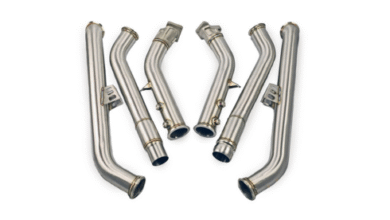
Unleashing True AMG Power: A Practical Guide to Mercedes GT63 Downpipes and E53 AMG Upgrades
There’s something special about driving an AMG. The deep growl, the instant throttle response, the quiet confidence that comes from knowing you’re behind the wheel of serious engineering. But if you’re the kind of owner who always wants a little more — sharper sound, quicker spool, stronger pull — then performance exhaust upgrades probably aren’t far from your mind.
Two popular modifications among enthusiasts right now are mercedes gt63 downpipes and the increasingly searched downpipe mercedes e53 amg upgrade. Both focus on improving exhaust flow, and while the concept sounds simple, the results can be dramatic when done right.
Let’s break it down in a practical, no-nonsense way.
Why Downpipes Matter in AMG Performance
From the factory, AMG models like the GT63 and E53 are tuned to balance performance, emissions compliance, and reliability. The downpipe — which connects the turbocharger to the rest of the exhaust system — plays a big role in this balance.
Stock downpipes often contain restrictive catalytic converters designed to meet emission standards worldwide. While they’re necessary for road legality in many regions, they can limit exhaust flow. When exhaust gases can’t escape quickly enough, turbo response can feel slightly restrained.
Upgrading to high-flow or performance downpipes reduces back pressure. That means:
- Faster turbo spool
- More aggressive exhaust sound
- Potential horsepower and torque gains (especially with tuning)
On performance-focused models like the AMG GT63, even small improvements in flow can translate into noticeable gains.
Mercedes GT63 Downpipes: What to Expect
The GT63, with its twin-turbocharged V8, is already a beast in stock form. But enthusiasts who install upgraded mercedes gt63 downpipes often report a sharper throttle response and a more pronounced exhaust note — deeper at idle, angrier at high RPM.
When paired with a proper ECU tune, gains can be significant. It’s not uncommon to see substantial increases in both horsepower and torque once the restrictive factory components are replaced with high-flow alternatives.
That said, there are things to keep in mind:
- A tune is usually required to avoid check engine lights.
- Emissions regulations vary by country and state.
- Warranty coverage may be affected.
For track builds or export-focused vehicles, these upgrades are especially popular.
Downpipe Mercedes E53 AMG: A Balanced Upgrade
The E53 AMG sits in a slightly different category. It uses a turbocharged inline-six with mild-hybrid assistance, delivering strong but refined performance. Because of its balanced nature, many owners want upgrades that enhance power without sacrificing drivability.
Installing a downpipe mercedes e53 amg setup improves turbo efficiency and gives the car a noticeably sportier tone. It won’t suddenly turn the E53 into a track monster, but it does unlock more of the engine’s potential.
Many tuners combine the downpipe upgrade with:
- Stage 1 or Stage 2 ECU remapping
- Performance air intakes
- Upgraded intercoolers
The result? A more responsive, more engaging daily driver that still feels refined when you need it to.
High-Flow vs Catless: What’s the Difference?
When shopping for downpipes, you’ll typically see two main types:
High-Flow Catted Downpipes
These use performance catalytic converters that allow better airflow while still reducing emissions. They’re more road-friendly and often less likely to trigger warning lights.
Catless Downpipes
These completely remove catalytic converters for maximum flow. They deliver the loudest sound and biggest potential gains but are usually not street legal in many regions.
Choosing between the two depends on your goals. Daily-driven AMG? High-flow might be the smarter choice. Dedicated performance build? Catless may appeal more — if local laws allow.
Installation and Tuning Considerations
Downpipe installation isn’t a basic DIY job. On modern AMG platforms, space is tight and components are complex. Professional installation is strongly recommended.
After installation, ECU tuning ensures:
- Correct air-fuel ratios
- Proper turbo boost control
- Removal of catalytic efficiency error codes
Skipping tuning can reduce performance gains and create drivability issues.
Is It Worth It?
If you value sharper response, stronger mid-range pull, and a more aggressive exhaust note, downpipe upgrades are one of the most impactful modifications available for AMG models.
For GT63 owners chasing maximum performance, the upgrade can transform the car’s personality. For E53 drivers seeking a subtle but noticeable boost, it enhances what’s already a well-rounded performance sedan.
Just remember — performance modifications should always be approached thoughtfully. Research reputable brands, work with experienced tuners, and understand your local regulations.
When done properly, though, few upgrades deliver that satisfying mix of sound, speed, and raw AMG emotion quite like a well-chosen downpipe setup.