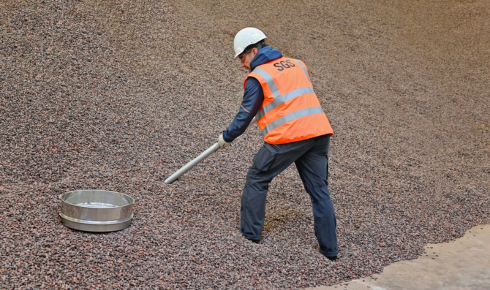
A new load of gravel arriving on-site feels like progress, but it’s worth slowing down for a brief inspection before the truck unloads. Rock and dirt delivery services move large quantities fast, and catching issues early helps avoid expensive corrections later. Understanding what to look for gives buyers confidence that the gravel for sale they ordered matches the specifications needed for their project.
The Stone Size Range Expected in Your Gravel Delivery
Each type of gravel is defined by a size range, and that range directly affects how well the material performs. A delivery meant for driveways or compaction work should contain stones within a predictable size band, not overly large pieces or tiny fragments that don’t belong. Checking size consistency before unloading helps confirm the load actually matches the category you purchased. A quick look with a shovel or rake can reveal whether the load skews too large or too small. Rock delivery near me providers typically sort and screen material, but mistakes can happen during stockpile mixing or loading. Ensuring the size range is correct keeps the project on track and avoids material that doesn’t behave as intended.
How Uniformity of Rock Pieces Affects Stability and Compaction
Uniformity means the stones share similar dimensions instead of jumping wildly between large and small. Gravel loads with consistent sizing settle evenly and compact without leaving gaps beneath the surface. This improves stability for driveways, construction pads, and landscaping designs.
Non-uniform material behaves unpredictably. Rock and dirt delivery near me suppliers may provide mixed loads for certain applications, but inconsistencies outside the expected blend can weaken the final surface. Uneven compaction leads to soft spots, rutting, or shifting that shortens the lifespan of the structure built on top of it.
Why Checking for Excessive Fines Matters Before Unloading
Fines are the tiny particles, dust, and grit found in gravel. These particles help with compaction in some mixes, but too many can turn the load muddy or overly dense. Before accepting delivery, it’s smart to check whether the fines match what the project requires.
Excess fines absorb water quickly, making placement more difficult. They can also clog drainage spots and reduce the gravel’s structural integrity. Rocks for sale should have a balanced amount of fines, not a pile that resembles powder. Inspecting for fines early prevents dealing with unusable or poor-performing material later.
The Importance of Color and Texture in Verifying Material Type
Gravel types are often identified by their color, texture, or mineral composition. For example, limestone, granite, river rock, and crushed concrete all have distinct characteristics. A quick visual inspection helps confirm that the product delivered is the product ordered.
Color differences can also indicate moisture, age, or contamination. Gravel for sale loads sometimes contain blended materials if the stockpiles sit too close together. Texture and color checks reduce the risk of receiving the wrong type and help ensure the gravel supports the intended aesthetic and functional purpose.
How Moisture Levels Can Influence Handling and Placement
Moisture changes how gravel behaves. Material that’s too wet sticks together, making it hard to spread evenly. On the other hand, gravel that’s excessively dry can produce dust clouds when unloaded. Checking moisture levels before approval helps assess whether the material will be easy to place.
Moisture also affects weight, which becomes relevant if loads are priced by the ton. Extra water increases the total weight without adding usable material. For rock and dirt delivery services, moisture consistency is a sign of quality handling and proper storage before transport.
Why Testing Hardness Affects Long-term Gravel Performance
Hardness determines how well gravel holds up under traffic or long-term weather exposure. Softer rock types break down quickly, creating dust or fines that reduce performance. If the project requires high durability—such as a driveway, parking pad, or foundation base—inspectors should check hardness by tapping or breaking a sample.
Hard gravel maintains its shape and provides reliable load-bearing support. If the stones crumble easily, the load may not last as long as needed. Rock delivery near me services usually separate materials by hardness, but verifying this ensures the gravel supports long-term durability.
The Need to Verify Delivered Quantities Match Your Order
Before unloading, compare the ticket weight or volume with your original order. Overages and shortages can both cause issues—too little material disrupts scheduling, and too much may exceed budget or storage space. Delivery drivers typically carry weigh tickets confirming the quantity.
A quick visual check also helps. Although volume perception varies, a significant difference from expected size is easy to notice. Confirming quantity upfront keeps the project organized and helps avoid disputes.
How Edge Shapes Influence Interlock and Load-bearing Strength
Gravel pieces come in different edge shapes—rounded, fractured, or angular. Angular gravel interlocks tightly, forming a stable base for driveways and construction pads. Rounded gravel spreads more easily and works well for drainage but doesn’t lock together as firmly.
Matching the edge shape to your project ensures proper performance. An unexpected mix of shapes can weaken load-bearing capacity or reduce the ability to compact. Checking the edges early safeguards the structural integrity of the final installation.
Quality inspections protect your project from delays and prevent costly rework caused by mismatched materials. North Alabama Rock & Dirt delivers screened, reliable aggregates and offer consistent rock and dirt delivery services that support contractors, landscapers, and homeowners across the region.